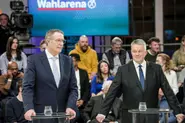
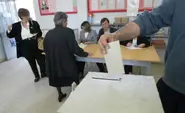
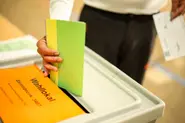
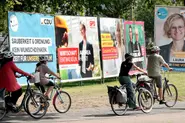
Ten years after moving to Germany, Berlin-based journalist Imogen Goodman voted in the state elections on Sunday for the first time. She writes about the jitters, excitement and how it felt to be finally given a political voice.
Germany has around 10,700 mayors, and many of these posts are not strictly limited to German nationals. So who can stand for mayor in a German city, and what does the job involve?
When used correctly, terms like 'far-right' and 'extremist' carry very specific meanings about a party's political aims. Here's a look at the terms and why they are applied to the AfD.
The far-right Alternative for Germany has won a landslide victory in Saxony-Anhalt, but forming a government may prove to be more difficult. Here's what to expect over the coming weeks as parties navigate a political deadlock.
Germany's far-right AfD has promised an "economic boom" if it wins Sunday's regional elections and ends up ruling the eastern state of Saxony-Anhalt, but economists warn their policies would spell disaster.
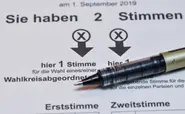
Elections in two of Germany's eastern states have become a litmus test for how the country is responding to far-right politics. So who has a say in these votes, who doesn't and why?
Kiosks, corner shops and other immigrant owned businesses were shut in Magdeburg on Wednesday in protest of the policies of the Alternative for Germany, which is largely expected to win an upcoming state election in Saxony-Anhalt.
Ahead of a pivotal state election Saxony-Anhalt, far-right AfD leaders are stirring up doubts about mail-in voting. Election officials say there is no evidence of significant manipulation, citing extensive safeguards.
Two parties are neck and neck ahead of Sunday’s state election in Germany’s most famous wine region. With education, infrastructure and immigration on the agenda, the outcome in Rhineland‑Palatinate could reshape politics far beyond Mainz.
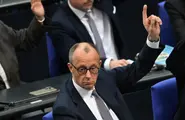
The German Greens have beaten Chancellor Friedrich Merz's conservative CDU in a state election seen as a test for the German leader, according to exit polls.
This week Germany's southern states are both holding elections, including state elections in Baden-Württemberg and municipal elections in Bavaria. Here's a look at who, of Germany's foreign nationals, has a chance to participate in each.
Non-EU nationals living in Europe don't have many voting rights but some countries do allow them to cast a ballot in local elections. Here's what you need to know.
Nearly 10 million people in Germany were eligible to vote on Sunday as mayoral run-off elections took place in North Rhine-Westphalia. As the CDU made gains and the AfD failed to win, we look at the results in detail and what they mean.
Germany's leading conservative party has hung on to a strong lead in cities across the western state, but overall support for mainstream parties has dipped while support for the far-right has grown.
Every major political party, with one exception, agreed to follow a code of conduct when campaigning for Sunday's election in North Rhine-Westphalia. So what are 'fairness agreements' in German politics, and why don't they apply to the far-right?
Local elections this weekend in Germany's most populous state offer a vital opportunity for many residents to cast a vote and have a say on topics including housing, schooling, public transport, and social integration. Here's a look at who can vote.
Germany has some of the tighter regulations regarding foreigners' voting rights compared other European countries, but it also has relatively lax requirements for citizenship.
German lawmakers will gather in early May to elect Friedrich Merz as chancellor after his conservative bloc sealed a coalition agreement with the main centre-left party, the Bundestag said Monday.
The Union and SPD have pledged to stick to Germany's emissions targets, but activists say their plans could worsen the climate crisis rather than solving it. What do the parties plan to do on climate - and will it be enough?
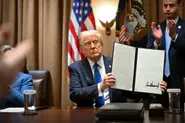
US President Donald Trump signed his latest executive order on Tuesday, which aims to tighten requirements to register to vote. Here's how it affects the voting rights of Americans in Europe.
With the centre-right conservatives set to take the helm of the next German government, and the far-right having made significant gains, readers of The Local shared their thoughts on the election results.
After a close-run election, a new German parliament is coming together. Our columnist Brian Melican shares who the vote winners and losers are, and what the results mean for the next government.
Germany's conservatives led by election winner Friedrich Merz held first talks Friday with the Social Democrats on forming a coalition government as the country faces multiple challenges at home and abroad.
Germany's conservatives, who won elections last weekend, are set to start exploratory talks with the Social Democrats on Friday towards forming a coalition government, party sources said.