Two parties are neck and neck ahead of Sunday’s state election in Germany’s most famous wine region. With education, infrastructure and immigration on the agenda, the outcome in Rhineland‑Palatinate could reshape politics far beyond Mainz.
Germany has around 10,700 mayors, and many of these posts are not strictly limited to German nationals. So who can stand for mayor in a German city, and what does the job involve?
The German Greens have beaten Chancellor Friedrich Merz's conservative CDU in a state election seen as a test for the German leader, according to exit polls.
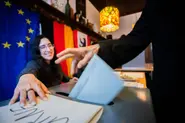
This week Germany's southern states are both holding elections, including state elections in Baden-Württemberg and municipal elections in Bavaria. Here's a look at who, of Germany's foreign nationals, has a chance to participate in each.
Non-EU nationals living in Europe don't have many voting rights but some countries do allow them to cast a ballot in local elections. Here's what you need to know.
Germany has some of the tighter regulations regarding foreigners' voting rights compared other European countries, but it also has relatively lax requirements for citizenship.
The Union and SPD have pledged to stick to Germany's emissions targets, but activists say their plans could worsen the climate crisis rather than solving it. What do the parties plan to do on climate - and will it be enough?
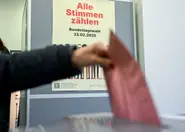
Germany's biggest political parties have agreed on a timetable leading to a nationwide election on February 23rd 2025, the main parties agreed Tuesday.
After the coalition collapse, Germans are set to go to the polls in snap elections, likely in February next year. We want to know what you think about it - and whether you are able to vote.
Germany is thrashing out when a vote of confidence of the chancellor will be held, which would lead to snap elections. But with strict rules to follow, holidays and talk of paper shortages, are January elections even possible?
The Social Democrats have managed to edge ahead of the AfD in the Brandenburg vote. We look at the big winners and losers of the election and what happens next.
Many people in Germany might be familiar with the name Friedrich Merz. But as the CDU leader has just been named the party's candidate for next year's elections, we dig deeper into who he is and what he stands for.
Brandenburg goes to the polls on Sunday, rounding off a busy month of elections in eastern German states. We've compiled recent articles on the elections to give you a picture of what's going on.
After success in Thuringia and Saxony, the far-right Alternative for Germany (AfD) may well come in first in another eastern state election this Sunday. We spoke with a political scientist to analyse what's at stake as Brandenburg goes to the polls.
Having secured nearly a third of votes in both states, the AfD has more support in Thuringia and Saxony now than ever before. What does this mean for the political landscape in Germany?
Tuesday, June 18th is the deadline for Brits to register to vote in the UK's general election, but there are other measures you can take to make sure your vote gets to the ballot box on time.
What does the contrasting performance of the far-right AfD in local elections in east and west Germany tell us about what comes next at a national level? Brian Melican counts the votes and looks at what happens now.
The UK will go to the polls on July 4th, but there are a few important dates for Brits abroad to keep track of if they want to make sure their vote will be counted.
The UK has changed its rules on overseas voting, meaning that thousands of Brits living in Europe will be eligible to vote in the next general election - and voter registration opens on Tuesday.
German Chancellor Olaf Scholz's beleaguered coalition faced calls for a reset on Monday after heavy losses at regional polls that also rang alarm bells anew about the far right's growing popularity.
Bavaria, Hesse, Bremen, and Berlin are all set to have state parliament elections this year – with the capital having to repeat the one it ran barely a year ago. What does that mean for the federal traffic light coalition’s agenda?
Angela Merkel's conservatives could face a far-right upset at key state polls on Sunday, the last big test of Germany's political mood before the first general election in 16 years not to feature the veteran chancellor.
Best known as an anti-migrant
party, Germany's far-right AfD has seized on the coronavirus pandemic to court a new type of voter ahead of regional elections in the state of Saxony-Anhalt on Sunday: anti-shutdown activists.