

If you thought life in Germany in 2026 was going to be all bratwurst and beer gardens, think again.
Whether you're a visitor, a recent arrival or long-term resident, what you really need for the coming year is a healthy dash of hope, the right apps, a filing cabinet full of insurance policies and a decent command of the language, argues columnist Tom Pugh.
Here are the five essentials you’ll need to make the most of life in Germany in 2026.
Hope
Residents in Germany have been complaining about declining standards for years – affecting everything from the railways to career opportunities to the cost of living – but is there reason to hope that things might be about to change?
After a period of economic stagnation, the government is now splashing out a staggering €500 billion on infrastructure, with forecasts predicting GDP growth of up to 1.5 percent.
In theory, this isn’t just about shinier roads or faster Wi-Fi (though both would be welcome); it’s about a concerted effort to boost the economy, create jobs and improve public services.
This would be especially welcome given the number of elections we have to look forward to this year. Four of Germany’s sixteen federal states – Baden-Württemberg (March 8th), Rhineland-Palatinate, Saxony-Anhalt (September 6th), and Mecklenburg-Western Pomerania (September 20th) – are all heading to the polls, with the added possibility of a snap election in Brandenburg if coalition talks collapse.
The political landscape is turbulent, admittedly, but elections always deal in the unexpected and – surely – the best politicians still want to reward hope more than they want to take advantage of people’s frustration.
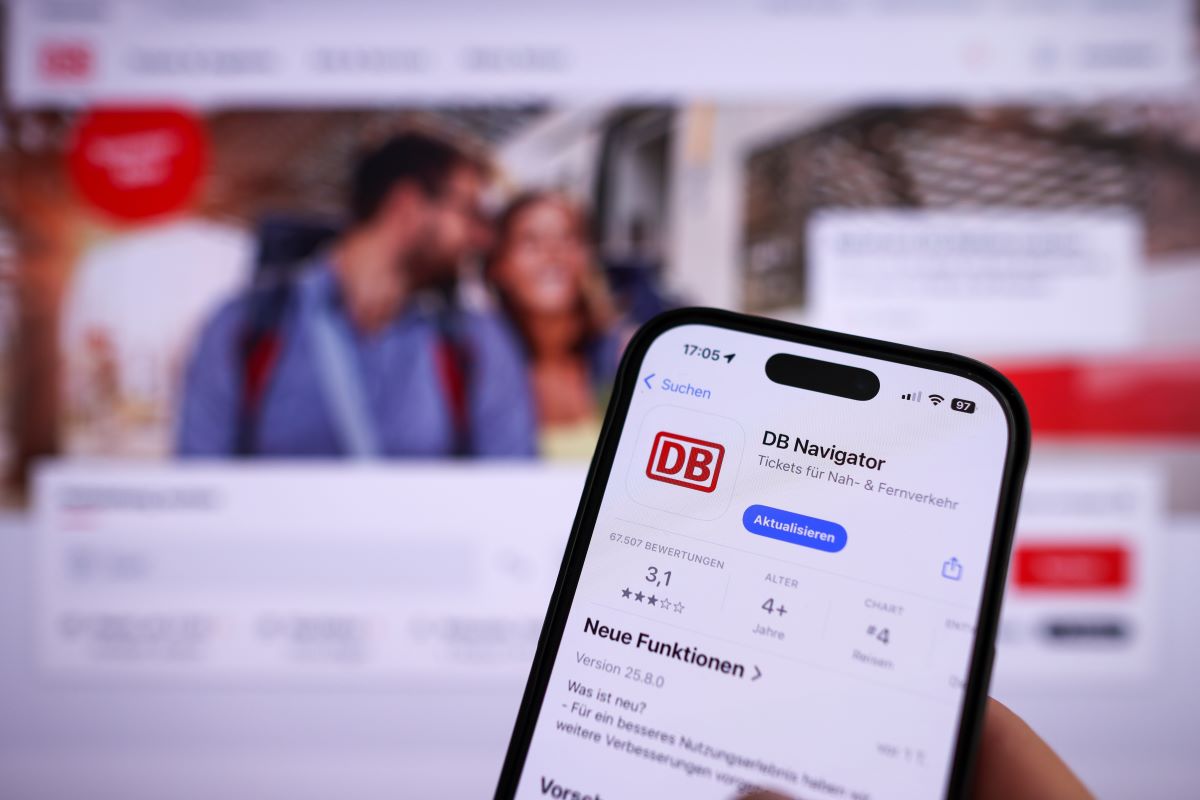
The Deutsche Bahn (DB) Navigator App
After the record delays in 2025, even Deutsche Bahn’s management has admitted that punctuality isn’t about to miraculously improve overnight. In fact, CEO Evelyn Palla has set her sights on stabilising long-distance train punctuality at around 60 percent, rather than promising dramatic gains.
But don’t despair. No longer the consequences of chronic underinvestment, many of the delays to come this year will actually be caused by major construction to upgrade the network.
The government and DB are pouring billions into the railways; on everything from new tracks and cleaner stations to better onboard catering and more comfortable trains.
READ ALSO:
- LISTED - The big changes for travel in Germany in 2026
- How rail journeys across Europe could be made faster in the coming years
One example is the new ‘Dresdner Bahn’ route in Berlin, which has already slashed airport travel times from the city centre.
And it’s not just Berlin: 2026 will see a host of new international connections, including sleeper trains whisking passengers to Paris or Poland, and easier cross-border journeys thanks to the introduction of new EU rules on ticket sales.
Of course, with all this construction and change, comes a degree of chaos – which is why the DB app is very much an essential item for life in Germany in 2026.
Cash
It used to be a hard and fast rule that anyone who wanted to be able to function in Germany needed to carry cash.
Guides for visitors invariably mentioned the signs seen everywhere in German bars, restaurants, bakeries and convenience stores: Nur Bares ist Wahres (only cash is real) and Leider nur Bargeld oder EC-Karte (Sorry, only cash or German EC card).
The EC card itself is a peculiarly German phenomenon – it’s accepted almost everywhere, but you can only get hold of one if you have a German bank account. For everyone else, cash was always the safest bet.
In 2026, the rule still holds true, but only just, and not in all cases.
READ ALSO: Why are Europe's residents being advised to keep €100 in cash at home?
The statistics tell the story: Germans are using their cards more than ever, with billions of euros worth of transactions each year, and average electronic sales amounts dropping as people get used to tapping for even the smallest purchases.
At the same time, more and more business are accepting card payments, and along with them Germany is also seeing the introduction of modern concepts, like the digital tip.
So, if you’re one to appreciate the smell of crisp notes or the weight of coins in your coat pocket, you'll want to keep that cash on you while its still useful.
Insurance
In Germany insurance is not just for the overly cautious. As some of the most insured people in the world, you might say Germans have made the act into an art form.
Health insurance isn’t just recommended; it’s mandatory for anyone who wants to live legally in Germany.
Premiums are expected to rise this year for many people in the country, regardless of whether you’re insured privately or publicly.
READ ALSO: How to switch German health insurance providers and save money
But for people truly determined to embrace the German way of life, health insurance is just the tip of a very large iceberg.
Here you can also select your preferred option for liability insurance (Haftpflichtversicherung) – for those unforeseen moments, like when you accidentally drop a flowerpot on your neighbour’s head – or for household insurance (Hausratversicherung), to protect your prized possessions from theft or damage.
This year, with tenant-landlord disputes on the rise and legal representation being a well-known way to expedite action on applications for citizenship or residence permits, the form of insurance which might be worth considering first is legal protection insurance (Rechtsschutzversicherung).
German
While cash is arguably less essential than it once was – and only the most conscientious of Germans would actually invest in every form of insurance – there’s one thing you simply can’t sidestep if you’re determined to make yourself at home in Deutschland, and that's Deutsch.
English may be widespread in German cities, but if you want to build a career, navigate daily life with confidence or even just survive a run-in with the authorities, some command of German remains vital.
It’s not for the faint-hearted, however, with its endlessly long words and grammar that manages to be simultaneously logical and mystical.
READ ALSO:
- Ten of the best podcasts to learn German
- How Germans’ English language mistakes can help you learn German
The first stage for many learners is terror, as they’re suddenly confronted with words like Aufenthaltsbescheinigung (residence permit) or Krankenversicherungsnachweis (health insurance card), or Rindfleischetikettierungsüberwachungsaufgabenübertragungsgesetz (Beef Labelling Monitoring Transfer of Responsibilities Act).
This last word has actually been retired – even people in Germany recognise that there’s a line between apparent functionality and complete absurdity.
The trick for learners is to avoid panic, maintain a healthy sense of humour and think of the whole exercise as a game or a puzzle in the early days. Solve the puzzle, let sounds and words fall gradually into place – and actual communication will inevitably follow.
Comments