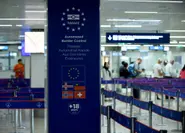
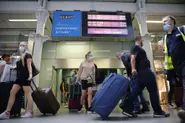
The EU has proposed imposing extra travel restrictions on parts of Europe with very high rates of Covid-19 infections, but which countries would currently be included on the list?
Rising Covid-19 infection rates around Europe and the threat of new variants have pushed governments to impose tight travel restrictions for those entering the country. Here's a run down of the restrictions in place around countries in Europe.
The European Commission has proposed creating new "dark red zones" which would be subject to tight travel restrictions whilst Europeans have been "strongly discouraged" from all but essential travel within the EU as Covid-19 infections rise.
EU leaders will hold talks on Thursday to discuss ways to limit the spread of new Covid-19 variants throughout Europe. One proposal that will be considered is a complete ban on passenger traffic between non-EU countries - including the UK - and the EU for limited periods.
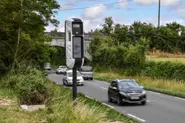
The UK's departure from the EU means British drivers snared by speed cameras on roads in Europe will no longer be sent fines. And those Britons, resident in the EU, who return to the UK in foreign registered cars will also avoid fines.
As British nationals get to grips with the 90-day rule that now governs all trips to EU and Schengen countries, readers are asking if having a European spouse makes any difference to the limit?
It's not unusual for British nationals resident in Europe to slip a little taste of home into their suitcase as they return from trips to the UK - but some of these treats are now banned since Brexit. Here's a look and you can and can't fill your bag with.
The UK government has announced that it is introducing new rules stating that all arrivals into the country will need to present a negative Covid test.
In recent days it has emerged that scores of British nationals living in EU countries have wrongly had their passports stamped with a date of entry when returning home. One couple was told to contact a lawyer, but the message from authorities is "don't panic".
Campaigners for the rights of Britons living in Europe have called for urgent action after numerous reports of UK citizens being denied entry to the EU countries where they live since January 1st.
The European Commission has recommended countries lift the blanket transport ban on the UK to allow residents to return home and for essential travel. Each country will now have to decide whether to follow the recommendation.
Many countries around Europe have suspended travel links from the UK due to a new, more contagious strain of Covid-19, while others intend to do so. Here's the latest on the new travel chaos around Europe.
Tourists from the UK look set to be included in the EU's ban on non-essential travel after the end of the Brexit transition period on December 31st, unless the European Council decides otherwise.
The UK government's decision to end freedom of movement does not just hit Brits in the UK, but also those living around the EU who may need or simply want to move to another EU country in future. Please tell us if you are affected.
The rules for travellers bringing pets from the UK into the EU will change in January but the decision to grant the UK 'listed status' means things won't be as complicated as they might have been. Here's what we know so far about the new rules.
With Brexit talks between London and Brussels seemingly deadlocked, the EU has published its no-deal contingency plans to ensure that road and air links with the UK can continue in January.
The return of night trains across Europe came a step closer this week when four European governments - Switzerland, France, Austria and Germany - signed a cooperation pact and laid out a timetable for the return of services.
UPDATE: When it comes to opening ski resorts around Europe countries are not on the same wavelength. Here's what we know so far about where and when a ski holiday will be possible in Europe this year.
Nearly 200 European airports risk insolvency in
the coming months if passenger traffic does not recover, a trade association
warned on Tuesday, as nations contemplate further lockdowns to combat a second
wave of the coronavirus pandemic.
European nationals have been warned that the rules to enter the UK will change in autumn next year, meaning ID cards will no longer be accepted at the border.
Switzerland has expanded its mandatory quarantine list, adding parts of Germany, Italy and Austria - as well as seven other countries. Germany’s two largest cities have been placed on the list.
With the coronavirus crisis putting a chill on travel, European airlines are reducing fares to attract passengers and fill the planes that are still flying.
An alliance of 22 cities from across Europe urged the EU on Thursday to enact tougher rules on Airbnb and other short-term holiday rental platforms, accusing them of driving up property prices and squeezing out locals.
European airlines on Tuesday urged national
capitals to coordinate measures to limit the spread of the novel coronavirus,
saying the current patchwork of restrictions is hobbling a return to regular
travel around the EU.