Small as they are, those two little dots carry centuries of linguistic history. Mastering them is more than just a technical detail; it’s an important step towards speaking German with greater clarity and confidence.
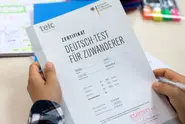
As Germany restricts access to state‑funded integration courses, we spoke to one non‑profit organisation which says it is ready to step in with free language lessons for migrants looking for work in the country.
After Germany quietly decided to restrict access to integration courses, an expert explains who will be affected and why that's a problem for the whole country, not just immigrants and refugees.
Germany may have a reputation as a monoglot country, but step inside people's homes and a different picture emerges. New figures show that bilingual and multilingual life is an everyday reality for millions of families in the country.
"Helau!" "Alaaf!" "Narri-Narro!" These are some of the different 'fools' calls' from across Germany. Wherever people celebrate Carnival (or Fasching, or Fastnet), you hear the shouts. But where do they come from, and what do they mean?
Germany has confirmed plans to restrict access to integration courses, citing rising costs and a desire to focus spending on migrants likely to stay long term. Around 130,000 people could be affected – and the consequences could go much further.
As temperatures stay low around Germany, many newcomers will be reminded of just how long and bitingly cold the winter can be here. Learning how to talk about the frigid weather like a native is one way to make the experience more bearable.
Having gained a strong command of the German language in his seventeen years in the country, columnist Tom Pugh suggests there are still words he struggles to pronounce and sounds he can't differentiate between.
Want to feel more festive while also improving your German? Writer Sarah Magill digs out some of the most beautiful (and fun) German-language Christmas carols.
Formal and often replaced in everyday conversation, the German genitive case can seem like a relic from a bygone era for many English speakers. Yet understanding it remains a key step towards speaking with more fluency and sophistication.
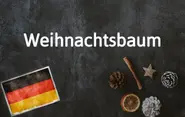
Putting up a Christmas tree is one of the better known traditions among people who celebrate the holiday. Find out how Germans carry out this tradition.
The four ‘cases’ in German can feel intimidating, especially if your native language doesn’t have a similar system. But mastering them is key to speaking like a native. Here’s how to start using the dative case with confidence.
Listening to podcasts is one of the easiest ways to immerse yourself in another language. Here are some of the best podcasts to help you improve your German skills.
The four ‘cases’ can be terrifying for people struggling with German, and particularly for learners who don’t have to worry about anything similar in their own languages. Here's how to start using the 'accusative' like a native.
In homes and workplaces across Germany, a good command of the passive voice is indispensable if you don't know who was responsible for an action – and whenever you've blundered and would prefer to avoid drawing attention to the fact.
Germany and Austria may share a common language - but often with a very different vocabulary. Here are eight of the most common terms which sound completely different if you're in Vienna versus Berlin.
The autumnal equinox marks the change of season in the northern hemisphere, and occurs on the 22nd of September this year. Did you know there are two German terms for this day?
When it comes to talking about time, German can be a lot more straightforward than English. Here’s how you can talk about the past, present and future with just two tenses.
One of the consequences of learning a foreign language is that some words end up slipping into your everyday English. Tom Pugh explains which words are currently threatening to turn his native language into ‘Denglish’.