The Germany we know today has been shaped by its unique, yet tragic and tumultuous history, originating from 1871 when Germany first became a country. The Local has collected 10 iconic and internationally renowned phrases that mark historic change in Germany, and how Germans see their country.
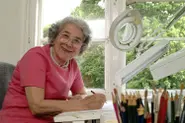
Goethe, Schiller, Kafka, and many other famous names in the German literary cannon are men. Yet some of the most influential books written in German, whether contemporary or classic, are written by women.
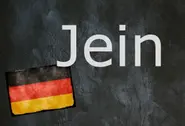
Before the days of Cro and Sido, the most influential name in German hip-hop was the Hamburg-based band Fettes Brot. So much so, we can thank one of their popular anthems for sprouting today’s 'word of the day': Jein.
British student Katie Wilson explains how she pushed through the inevitable language barriers of her year abroad in Germany using the most unlikely tool: hit reality show Love Island.
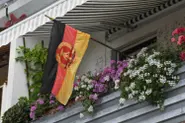
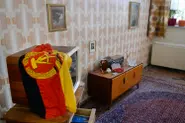
Citizens of former East Germany were subjected to communist dictators, an all-imposing secret police and material shortages. Yet these issues became the butt of many knee-slapping jokes.
Why do we sometimes find ourselves staring into space for no reason? And why don’t we have a word for this in English? Well the Bavarians do: die Goaßgschau.
Nearing the 30 year anniversary of the fall of the Berlin Wall, we explore how five films compare to the real East Germany and how east Germans feel about these portrayals of their former state.
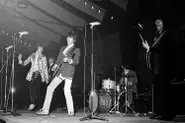
The little known tragedy of the 1969 rumoured Rolling Stones concert captures both the East Germans’ determination for freedom of expression, and the horrors of life under the Stasi.
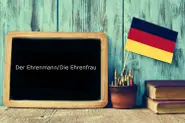
The historical term Ehrenmann is experiencing a revival thanks to the Deutschrap scene, so much so it was named the Youth Word of the Year in 2018, alongside its feminine equivalent Ehrenfrau.