
The things you miss about a city you once lived in are not always the ones that make it into the guidebooks.
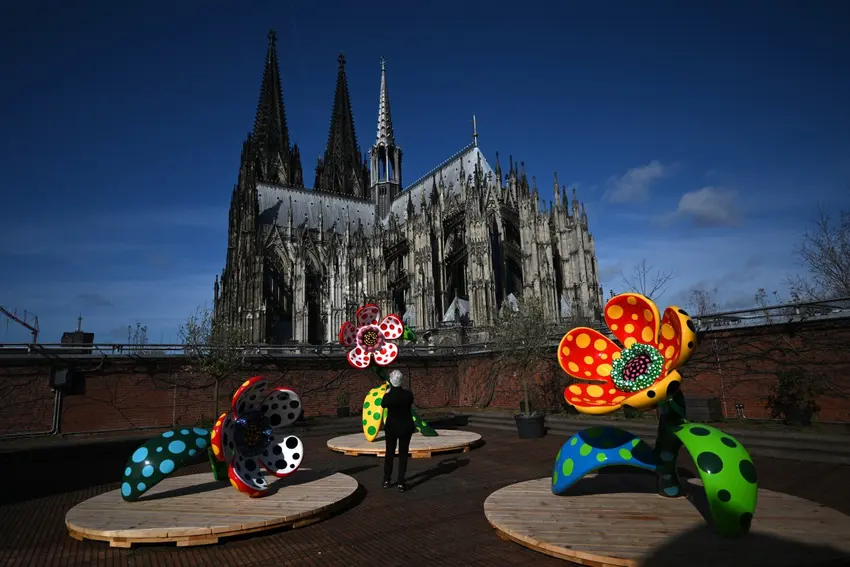
People tend not to wax lyrical about a particular dialect, the way strangers easily strike up conversation at the bar over a Kölsch or the feeling you get on a train headed home when you see the towering spires of the Gothic cathedral come into view.
But years after leaving Cologne, Germany’s fourth-largest city and my former home, these are the details that come to mind first.
Here are the six things I miss most about living in Cologne.
The liberal attitude
This is one of the best things about Cologne. It’s a big city with a huge heart and people who don’t take themselves too seriously.
It has a well-deserved reputation across Germany and beyond for its open-mindedness.
This attitude is reflected in the local saying, and unofficial core philosophy, 'live and let live' (Levve un levve loße). It's a phrase so closely associated with the city that it was even turned into a popular Carnival song by Höhner.
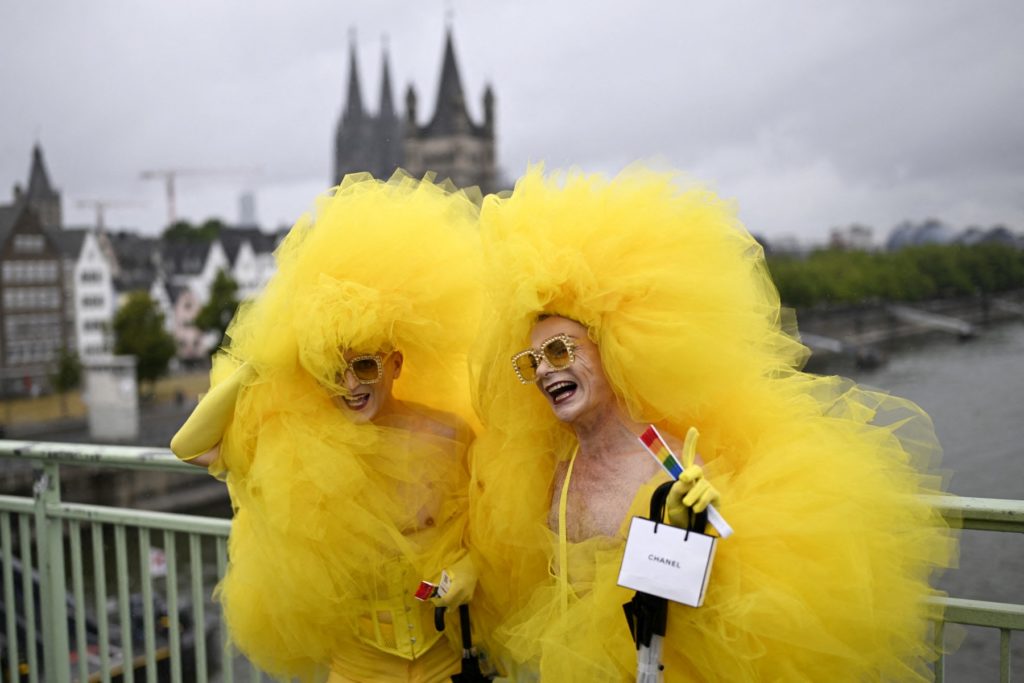
Did you know Cologne is often dubbed the gay capital of Germany? While Berlin has a higher total number of queer people by virtue of its size, Cologne actually has a higher proportion of LGBTQ+ residents.
READ ALSO: 'QueerCityPass' - What to know about Germany's newest discount travel ticket
According to Statista, 10.6 percent of Cologne residents between 18 and 75 identify as queer, well above the national average of 6.9 percent.
And the city wholeheartedly embraces that diversity. Cologne's Christopher Street Day Pride celebration regularly attracts more than a million people.
Meanwhile the city's multicultural character is reflected in a vibrant food scene and a population where around one in five residents holds a foreign passport.
All of this contributes to a friendly, cosmopolitan atmosphere and, in my experience, much chattier and more open people than you typically find in other parts of Germany.
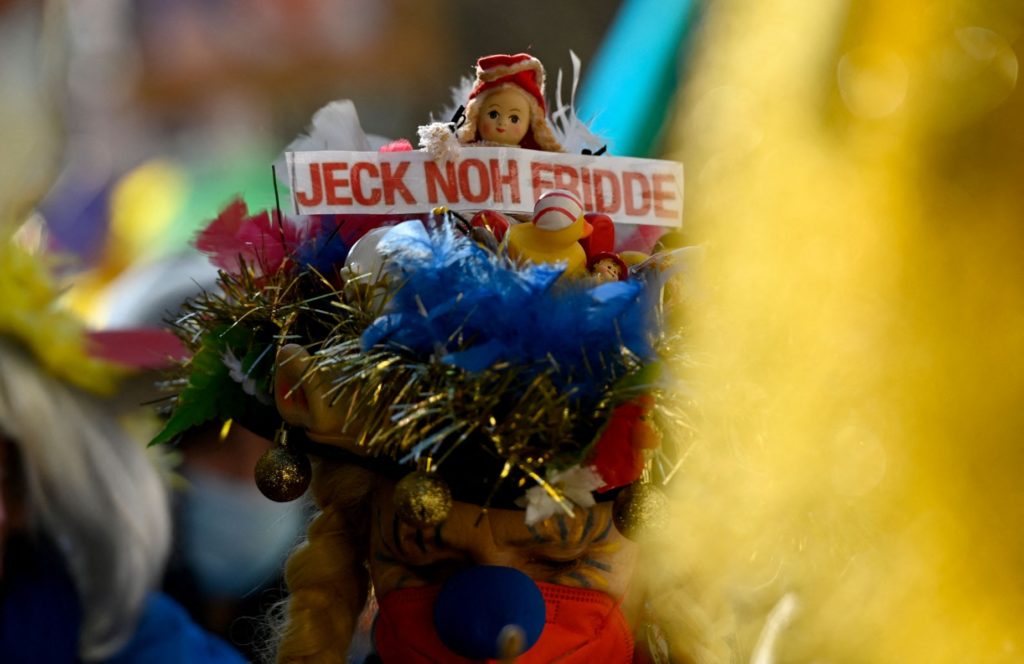
Here, individuality is very much seen as a positive. As the locals say, "Jeder Jeck is anders"(Every fool is different).
The local dialect – Kölsch
Speaking of the local dialect, if you’ve been involved in any Carnival celebrations you've probably heard the phrase, 'Kölle Alaaf! ' shouted around.
Many of the city's carnival songs are also in Kölsch, the dialect's sing-song sound and soft consonants lending themselves perfectly to the usual call-and-response hits.
READ ALSO: EXPLAINED: What to know about languages and dialects in Germany
But did you know the city has its own 'laws' called the Kölsche Grundgesetz? Whether or not these old sayings really explain Cologne's laidback attitude, they certainly capture it.
My favourites include Wat wellste maache? (What can you do?); Et kütt wie et kütt (What will be, will be); and, of course, Drinks de ejne met? (Will you have a drink with me?).
Years after leaving, I still find myself thinking, 'Wat wellste maache?' with a nonchalant shrug from time to time when something goes wrong.
Its culture and creativity
Creativity's a huge part of everyday life in Cologne.
From its role in the Krautrock movement of the 1960s to its status as one of Germany's leading media hubs today (it produces around a third of the country's original TV programming), Cologne has long attracted artists, musicians and makers.
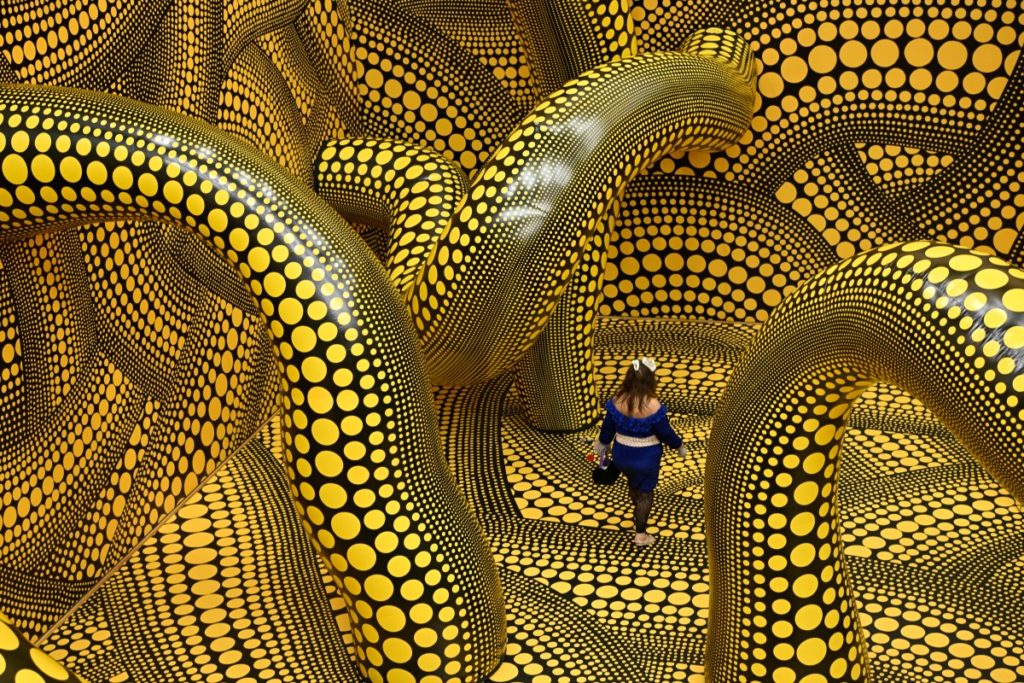
The city's most creative neighbourhoods are packed with independent galleries, studios, music venues, and a thriving street art scene. Everywhere you turn there's a sense that people are constantly creating, and that creative energy is infectious and makes the city feel alive.
As a result, it's also a fantastic place to experience culture.
You can spend the morning exploring Roman history, the afternoon at the Ludwig Museum or, if you're visiting in November, Art Cologne – one of the world's oldest art fairs – before ending the evening at an underground electronic music night in Ehrenfeld.
The cityscape
Cologne might not be one of Germany’s most beautiful cities – much of it was destroyed in the Second World War, after all.
But perhaps it’s the mix of old and new – reconstructed historic buildings, post-war architecture, modern art and riverfront views – that give it so much character. And like it or not, you can’t deny the majesty of its towering cathedral.
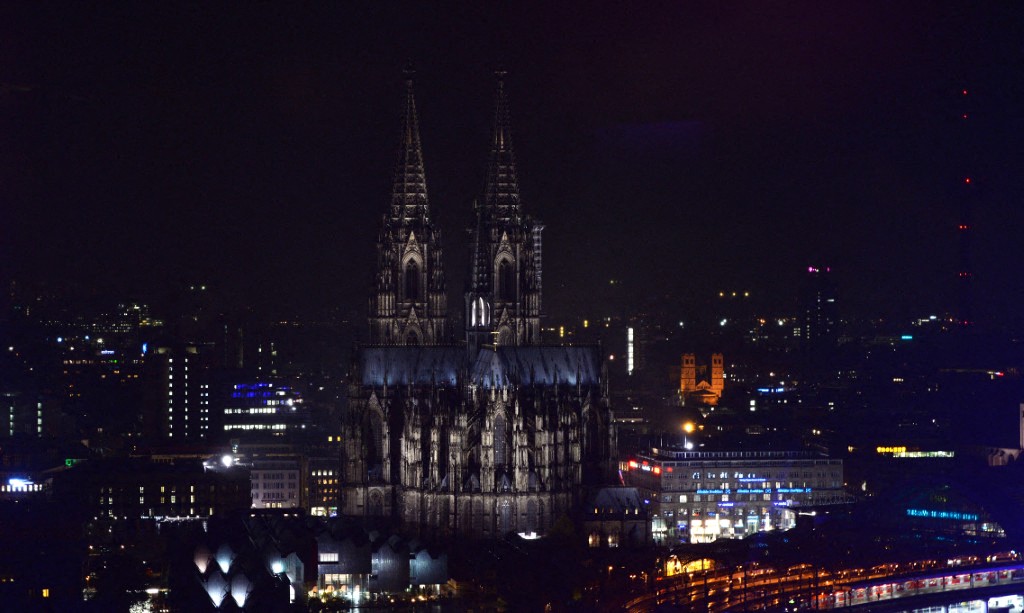
What it lacks in traditional beauty, it more than makes up for in variety.
Alongside the cultural scene are the cobbled streets and alleys winding through the old town, traditional breweries, colourful houses, and a surprising amount of green spaces dotted around the city.
Then there's the Rhine itself, spanned by its distinctive bridges and forming the backdrop to so much of daily life.
Walking south along the Rhine on a sunny day, with the cathedral rising behind you and the river stretching ahead, is a city stroll that’s hard to beat.
The connections
One thing I completely took for granted while living there was how well connected Cologne is.
It’s a supremely walkable city - and its location in the heart of North-Rhine Westphalia, close to Belgium and Holland, means it’s also easy to escape.
It’s served by two airports, with Cologne-Bonn, the nearest, just a 15-minute hop on the S-Bahn.
But it’s the train connections that really make it stand out. Fancy a spontaneous weekend in Paris or London? Easy.
READ ALSO: Four international night trains from Germany to try in 2026
Cologne’s got regular high-speed connections across Germany and Europe, making a weekend getaway supremely quick and painless.
Cologne Carnival
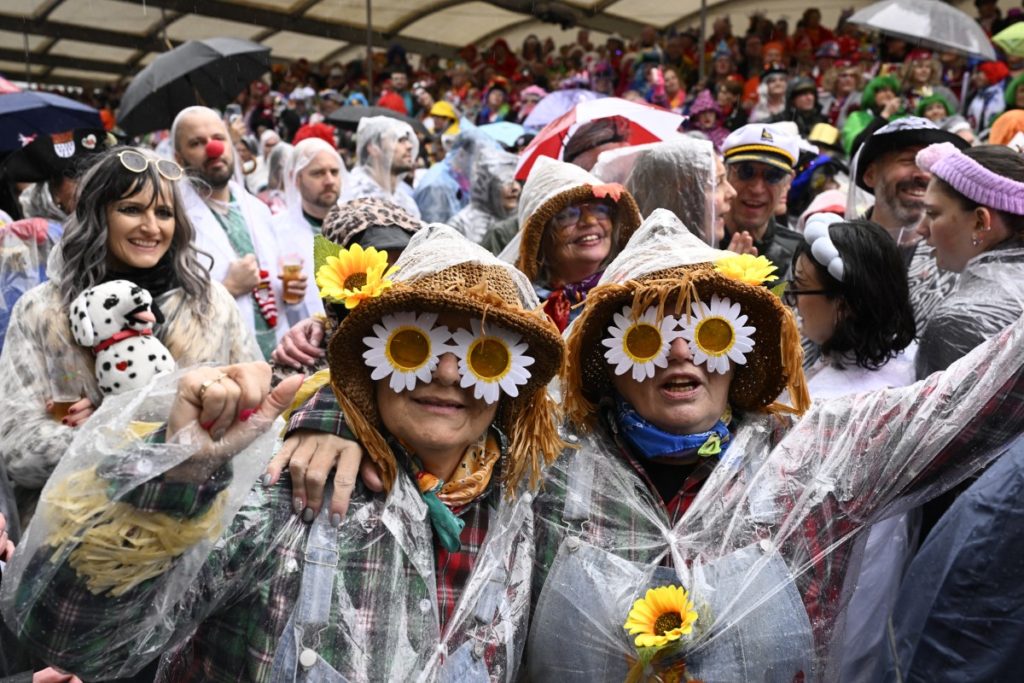
Sorry Düsseldorf and Munich, Cologne's Carnival is the best.
It’s another joyful crowd-puller with over 1.5 million people descending on the city for the main festivities (the ‘crazy days’) in February.
From the tie-cutting traditions of Weiberfastnacht and the sweets thrown during the Rosenmontag parade to the elaborate costumes and carnival songs that live on well beyond the end of the week, this is one six-day party that’s hard to forget.
READ ALSO: Why does Germany's carnival season start on November 11th at 11:11am?
But Carnival is about far more than the parades. Alternative satirical shows such as the Stunksitzung poke fun at politicians, local scandals and Cologne itself, embodying the city's trademark irreverence and refusal to take itself too seriously. And once you can understand what's going on – and get the jokes – you know you're well on your way to becoming a local.
Every city claims to know how to throw a party, but Cologne actually does. And if there's one thing guaranteed to bring me back, it's Carnival.
Comments