
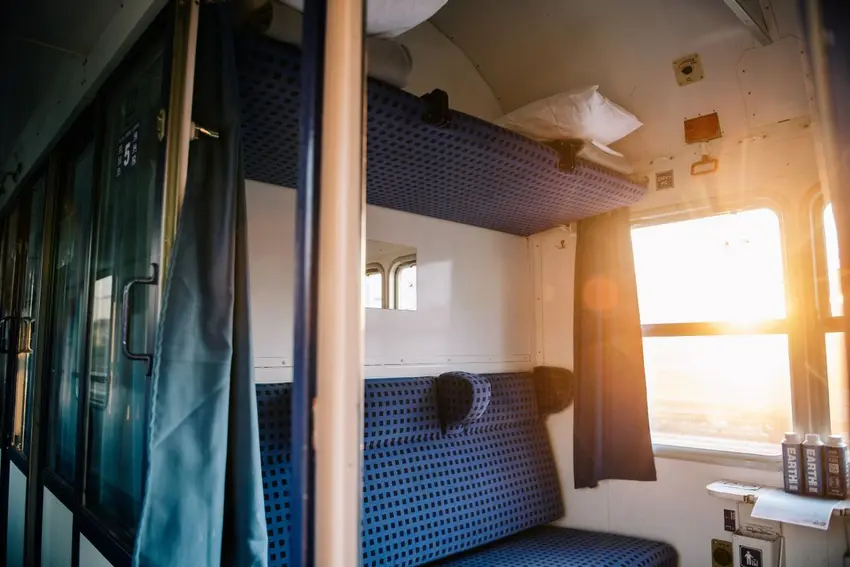
There is good news for those in Germany who like to explore Europe by train: This year brings a number of new international night train connections from Germany, including the extension of some that were set to be axed as well as some new routes.
With options for waking up in cities to the north, south, east or west, the only question is where you’d like to go.
So pack up your travel bag and head to Hauptbahnhof – here are the new overnight railway connections to climb aboard in 2026.
From Berlin or Hamburg to Paris
European Sleeper turned heads when it boldly burst onto the scene with its Brussels - Amsterdam - Berlin route, which was later extended to Dresden and Prague.
As a privately owned start-up on a mission to expand Europe’s night train offering, European Sleeper is known for running trains with old, refurbished sleeper cabins and offering tickets at affordable prices.
Now the company is looking to expand its connections, first by taking over the Berlin to Paris route from Austrian rail provider ÖBB.
The overnight train linking the German and French capitals was axed at the end of 2025 when government funding was pulled. But now European Sleeper is set to run the connection itself.
Starting from March 27th, trains are set to depart Berlin on Mondays, Wednesdays and Fridays, and return from Paris on Sundays, Tuesdays and Thursdays. The route will stop in Brussels and continue onto Paris from there.
From July 13th, trains will also pick up in Hamburg on the way.
From Cologne to Bern or Milan
Another brand new connection that European Sleeper is set to bring this year will link Milan and Bern in the south to Cologne and on to either Amsterdam or Brussels.
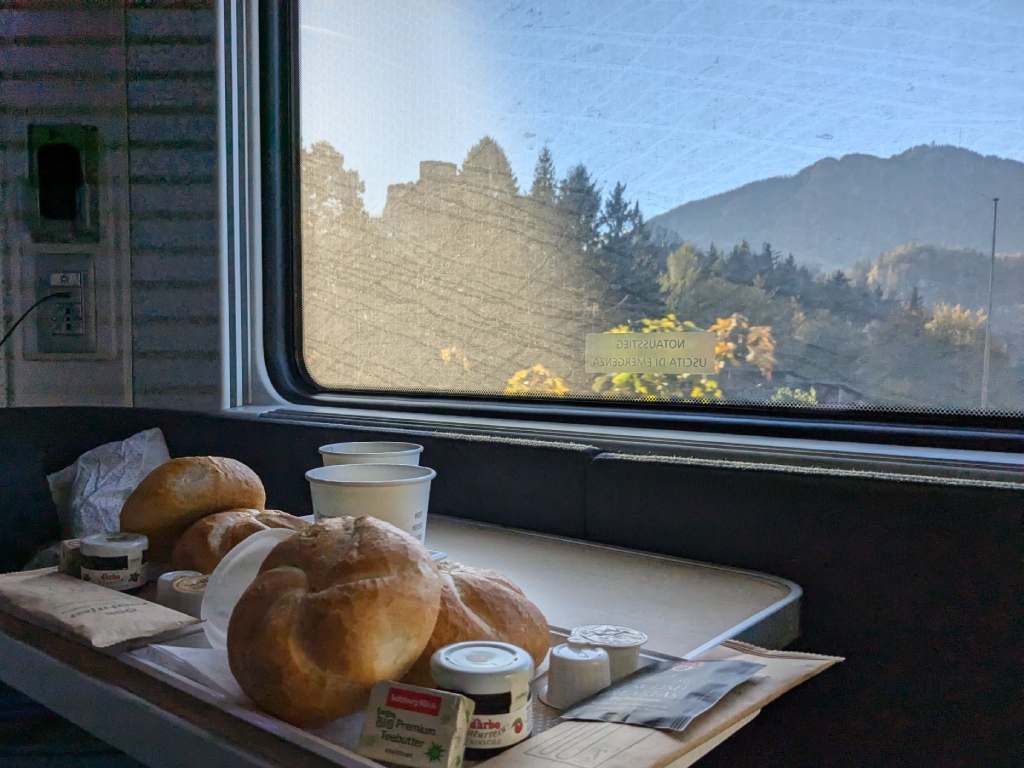
Starting June 18th, trains will depart three times a week, splitting or being combined in Cologne so that travellers can connect to both Belgium or Amsterdam.
For travellers in Germany, the route effectively opens up the possibility of boarding in Cologne and waking up in Switzerland or northern Italy – offering ample opportunities for mountain trekking or water sports in the warmer months. Trains also stop in the Swiss city of Brig, and the Italian city of Stresa on Lake Maggiore
Departures from Amsterdam and Brussels are scheduled for Monday, Thursday and Saturday evenings, arriving in Bern and Milan the following morning. The return service from Milan will operate on Wednesday, Friday and Sunday nights.
Tickets are expected to be available in February. They were not yet available at the time of writing.
READ ALSO: Four places in Germany experts say you should visit in 2026
From Munich to the Czech Republic or Poland
A recently added connection by EuroNight brings passengers from Munich to Bohumín station in the Czech Republic and on to Rzeszow, Krakow and Katowice in Southern Poland before terminating in Przemyśl.
Coming in the reverse direction, trains split in Bohumín, with the ones headed to Munich also stopping in Vienna, Linz and Salzburg in Austria and the others diverging toward Budapest.
This connection launched in mid-December. The journey time is around 16 and a half hours.
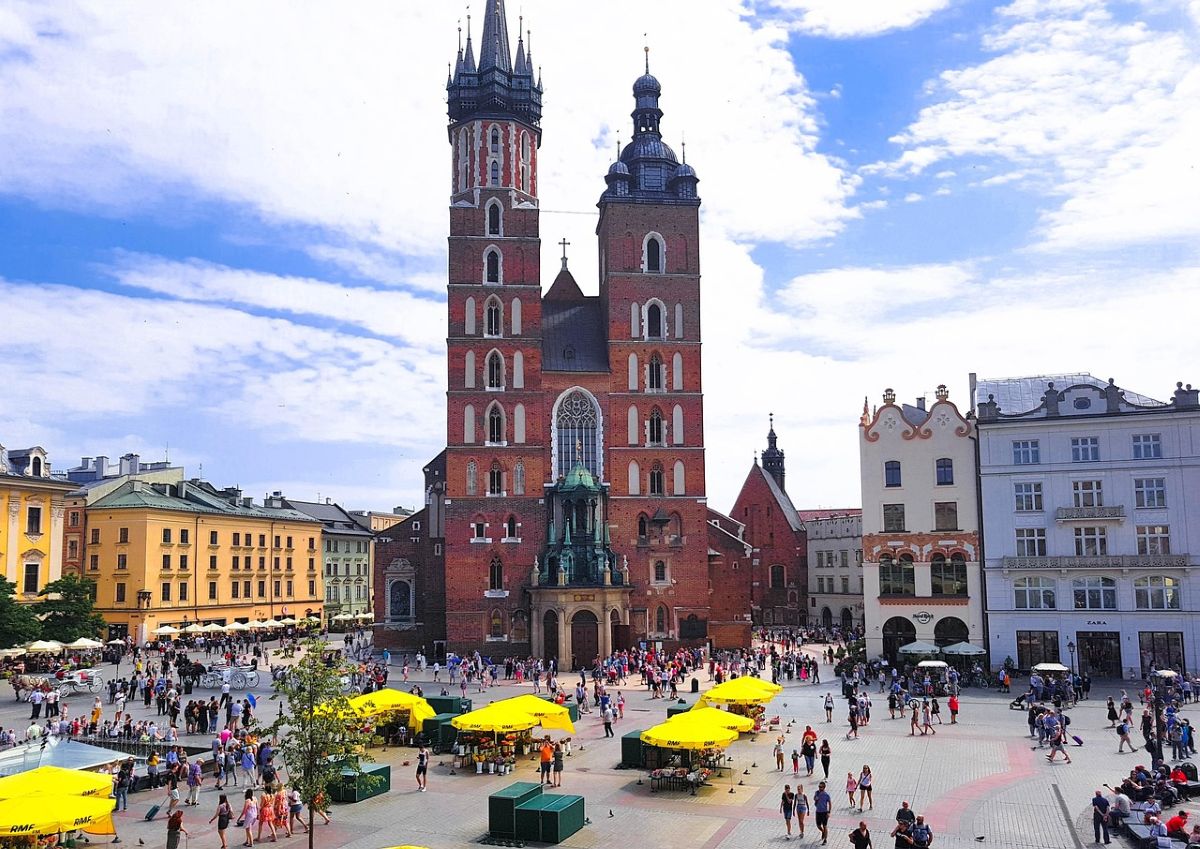
Similar to ticket offers by Nightjet, European Sleeper and other overnight railway operators, passengers can choose between standard seats, couchette beds in a shared cabin or private sleeper compartments, here called “deluxe”. Deluxe compartments sleep up to three people, and passengers here are issued with towels, slippers, shower gel and a dental kit, plus snacks and hot drinks.
Still from Berlin to Stockholm
Travellers aiming further north will be pleased to know that the Berlin-Stockholm night train service, currently operated by Swedish railway provider SJ is set to continue through to 2027 after RDC Deutschland stepped in to save it.
Previously the route had been set to be discontinued by August 31st, due to funding cuts by the Swedish government.
READ ALSO: 12 Berlin travel hacks to make your trip unforgettable
Details about the timetable and ticket sales for the period from September 2026 are to be announced, but RDC Deutschland has said that journey times between the two capital cities should remain the same.
The current connection stops in a number of Swedish cities including Lund and Malmö, and then at Copenhagen Airport and Padborg in Denmark before continuing onto Germany where it stops in Hamburg and finally ends at Berlin's central station.
Comments