
Amrum
It would appear that at least one of the editors at Condé Nast Traveller may be a fan of German cinema, because the little known northern island of Amrum landed at the top of their list of best travel destinations in the DACH region for 2026.
A film by acclaimed German director Fatih Akin that is named after the island – or rather, named after a book which was named for the island – debuted last year to much acclaim.
As explained in Condé Nast’s article, “You rarely hear the Frisian dialect of Öömrang spoken anymore on Amrum, as Diane Kruger does in the film…and young locals would rather pursue surf instructing than whaling,” but the island’s stunning beaches are still well worth a visit this year.
With ideal conditions for kite- and windsurfing, and a 16-mile running trail around the island, the island lends itself to an active vacation.
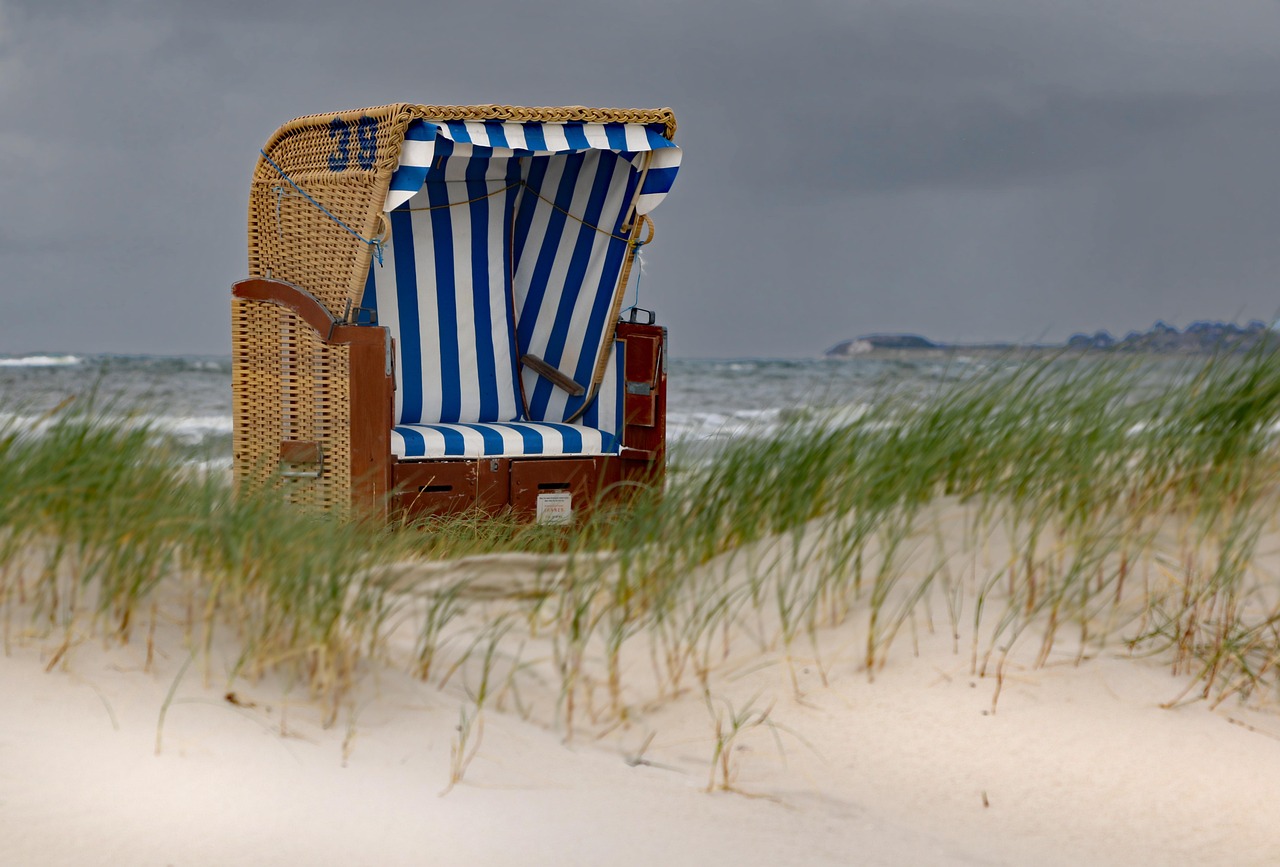
But of course there's plenty to do for those more inclined towards relaxation, like looking for wildlife along the Wadden Sea (a UNESCO World Natural Heritage Site), perusing the local bakeries and cafes, or just kicking back on the beach in one of the classic wicker Strandkorb chairs.
Tips for your trip:
Amrum is only accessible by boat. There is a car ferry from Dagebüll which takes 90 minutes.
In the summer months, from July to September, car-free travellers can also catch a ferry from Nordstrand or Cuxhaven.
The best weather for beach activities here is generally seen between May and September, which is also a busier time on the island.
Alternatively, those who don’t mind braving the cold northern breeze can find cheaper rates and ample solitude in the off season.
Amrun also makes for a great New Year’s Eve retreat for those seeking to escape the fireworks chaos, which are completely banned on the island. The Biikebrennen bonfire festival in February is also a regional winter highlight, observed here and in neighbouring islands like Sylt and Nordstrand.
READ ALSO: Where can you go surfing in Germany?
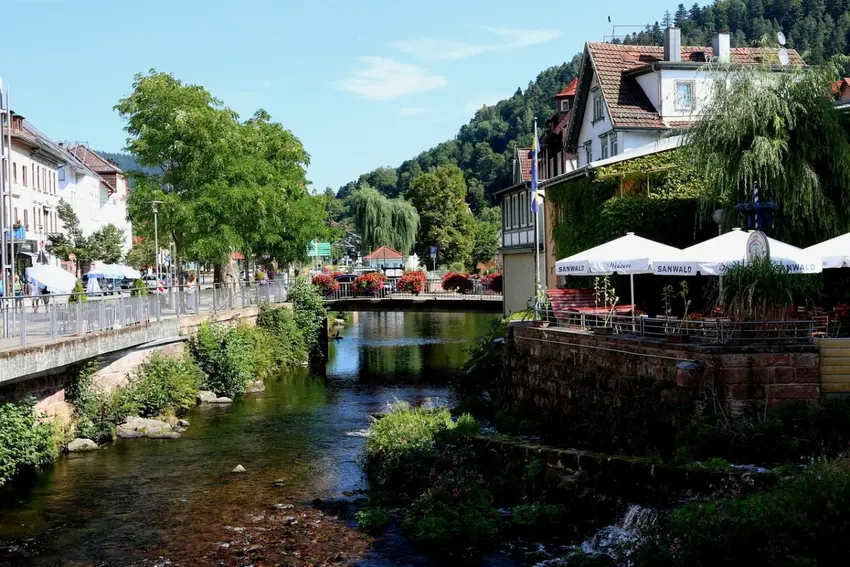
Baden-Baden
If you’re looking for a spa retreat this year, Baden-Baden is a great place to start. It’s right there in the name – the city is so spa-focused that it took the name twice. (Baden being the German verb “to bathe”).
People have enjoyed the thermal waters here for millenia – it was known for its healing spas at least as far back as 2,000 years ago as a Roman settlement, and in the 19th century it became something of a hub for Russian authors like Fyodor Dostoevsky and Leo Tolstoy.
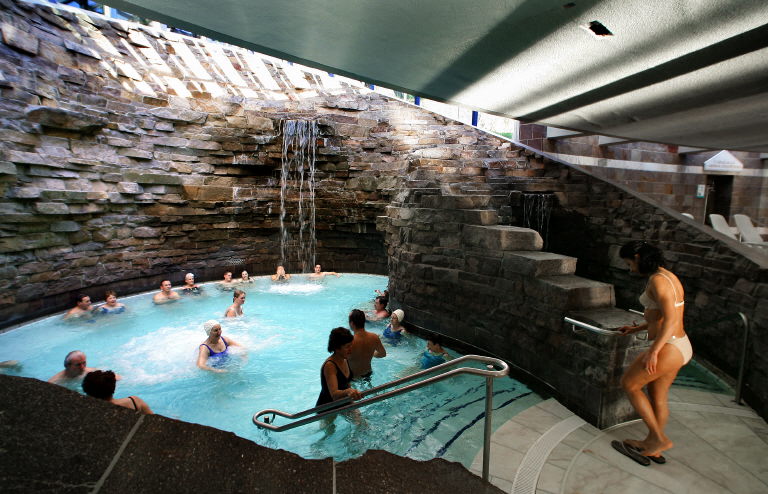
But as of 2026, Germany’s ‘smallest cosmopolitan city’ has made an effort to shake off some of its reputation as a luxury resort town for wealthy pensioners, and is bringing in a new generation of spa-enthusiasts with a gamut of new restaurants and hotels.
The city’s main day spas (Thermen) include Friedrichsbad, known for its beautiful Roman-style interior, and Caracalla, which has a more modern aesthetic.
With a touch of forward planning, which is always a best practice to save some money and hassle when travelling in Germany, you can find accommodation just steps away from the two spas.
READ ALSO: 8 spectacular spas to visit in Germany this winter
The surrounding Black Forest is full of opportunities for hiking, camping and further exploration. And stepping beyond Baden-Baden to the smaller villages in Baden-Württemberg, some of which also have their own natural spa facilities, can be a real treat and offer a more intimate, cultural experience.
A pro-tip from The Local: the nearby village of Bad Wildbad makes for a scenic weekend getaway – it's also home to a beautiful historic spa and is near to hiking trails and other attractions in the forest. Bad Wildbad is about an hour's drive from Baden-Baden and is accessible by S-Bahn from Pforzheim.
Tips for your trip:
Drivers can find their way to the city on the A5 Basel–Frankfurt or A8 Munich–Karlsruhe Autobahns.
It’s also easily reached by train from Frankfurt, from those flying in, or via Stuttgart, for those coming from Bavaria or further east.
Located near the German-French border, travellers coming from France can also reach Baden-Baden via regional transit from Strasbourg in an hour or two.
Frankfurt am Main
For some foreigners living in Germany, the country’s business capital might be seen as little more than the city you pass through on your way to the international airport.
But if you haven’t taken the time to explore the 5th largest city in the country yet, perhaps this is the year to do so.
A couple of highlights in 2026: Frankfurt has been designated as the “World Design Capital” this year, and is hosting 200+ related events in the days and months to come. Also a new Jewish Academy, a center for education and culture, is set to open in the city’s Westend district.
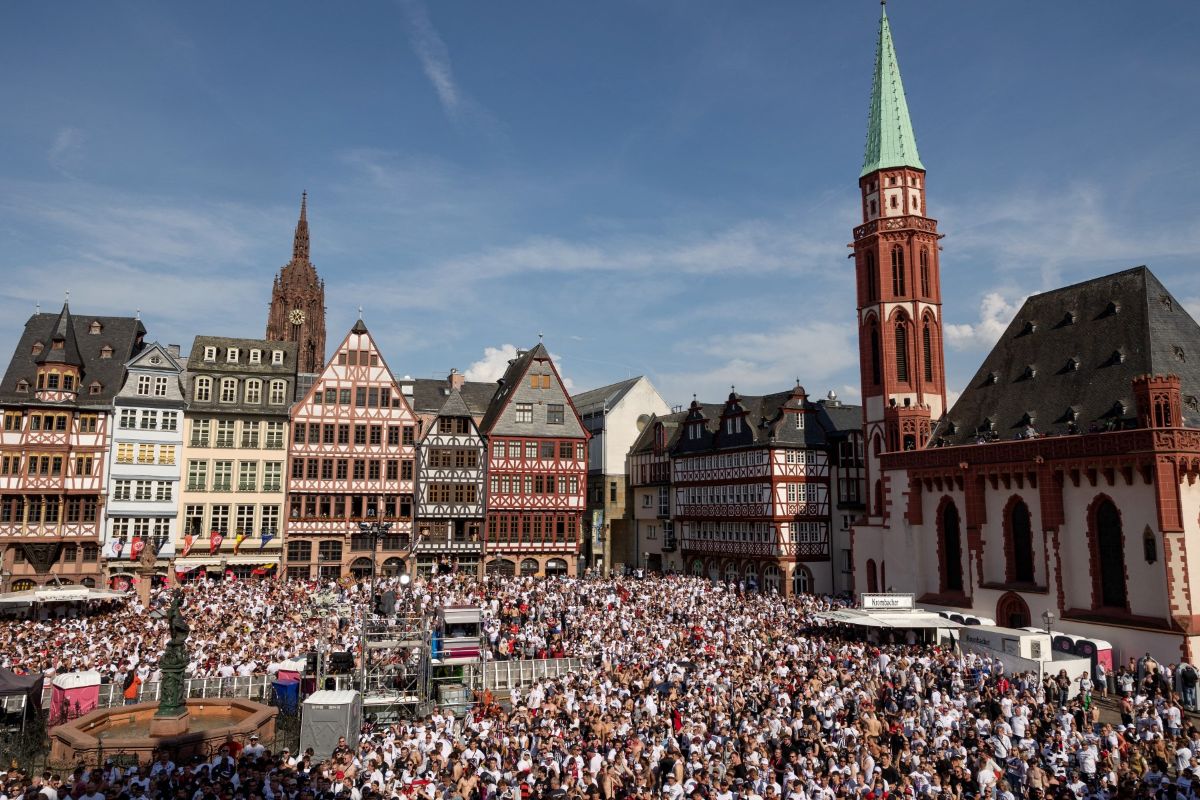
Visitors are also recommended to visit the New Frankfurt Old Town (Dom-Römer Quarter) where you’ll find a mix of historic half-timbered houses mixed in among the modern architecture.
READ ALSO: 9 incredible foods you have to try while visiting Frankfurt
And, depending on the time of year you visit, the city always has plenty of events and cultural offers to try out – everything from scenic walks along the river to open-air concerts and wine tasting through the summer to festive markets and winter lights in the winter.
Tips for your trip:
Home to Germany’s largest international airport, international visitors won't have a hard time landing here directly when coming to Germany from abroad.
Domestic travellers can connect to Frankfurt by train from most major cities across the country.
The city’s well-connected airport and train station also means that a stop here can be added quite easily to longer tours through Germany or Europe. Those coming from somewhere in central or northern Germany could easily stop here on the way to or from Baden-Baden, for example.
You’d be advised not to book a hotel too close to the city’s central train station. While not as dangerous as it's sometimes made out to be, the city's infamous Bahnhofsviertel neighbourhood there can be quite gritty to say the least.
Baltic Coast
Northern Germany’s Baltic Coast is arguably one of the country’s hidden gems for an easy going nature-centred getaway. Hence it being included in one of Lonely Planet’s recent roundups of Germany’s best places to visit.
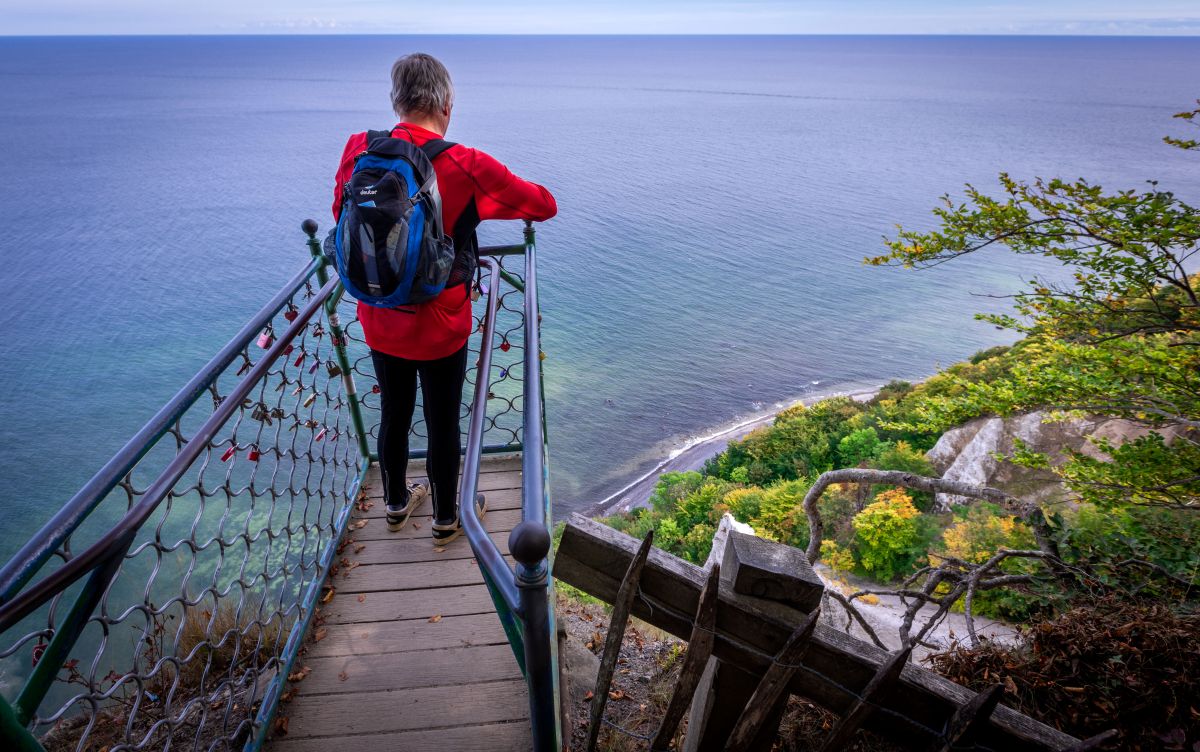
Germans are certainly aware of the country’s coastline as a destination for sand and surf. But outside the country few travellers think of visiting German beaches, and some of the natural sights here, like Jasmund National Park on Rügen Island or the birdlife on the Darss-Zingst Peninsula, are well worth the trip.
Tips for your trip:
Germany’s Baltic Coast is littered with oddly shaped peninsulas and islands.
Some of the larger cities you could plan trips from include Flensburg, Kiel, Lübeck and Rostock, with plenty of off-the-beaten track beach towns to be found in between.
But if you’ve not explored Germany’s north-eastern coast before, a multi-day stay on Rügen Island is hard to beat. Here you can see the aforementioned Jasmund National Park, with its white chalk cliffs that are sometimes compared to the Cliffs of Dover, and have your pick of the island's seemingly endless number of campgrounds, beaches and bays to explore.
If you're looking for a fun bike-camping adventure, a summer trip to Rügen could also work well, with the island being a good size to pedal around in a couple days to a week, depending on how ambitious you're feeling.
To get here you can drive or catch a train to Stralsund.
 Ben McPartland, Editor, The Local Europe

Comments (2)