
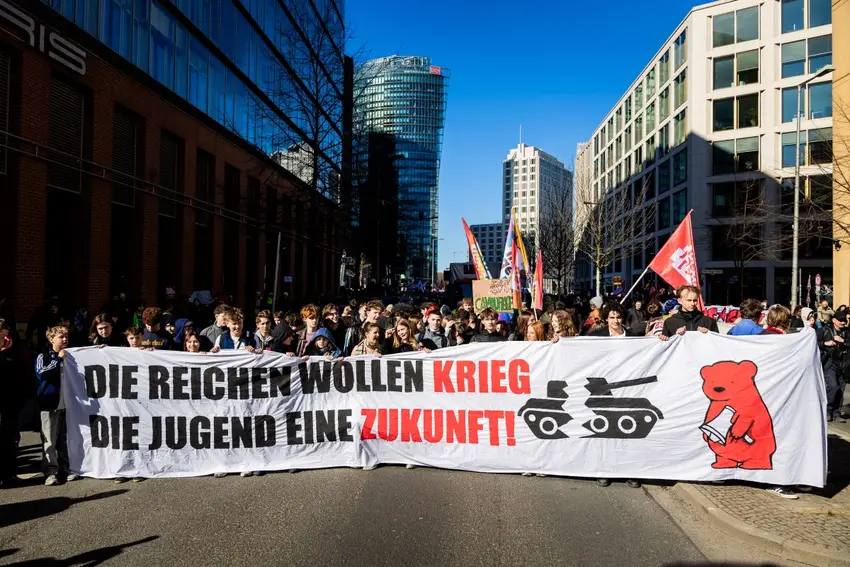
Since January, Germany has seen a renewed wave of school strikes as students across the country protest against a new military service law.
Although the legislation stops short of reintroducing conscription, at least for now, it has reignited anxieties among young people who feel decisions about their future are being taken without them.
From major city squares to smaller regional centres, pupils left their classrooms on Thursday to make their voices heard.

More than 50,000 students demonstrated in around 150 cities nationwide on Thursday, according to organisers from the initiative School Strike Against Conscription.
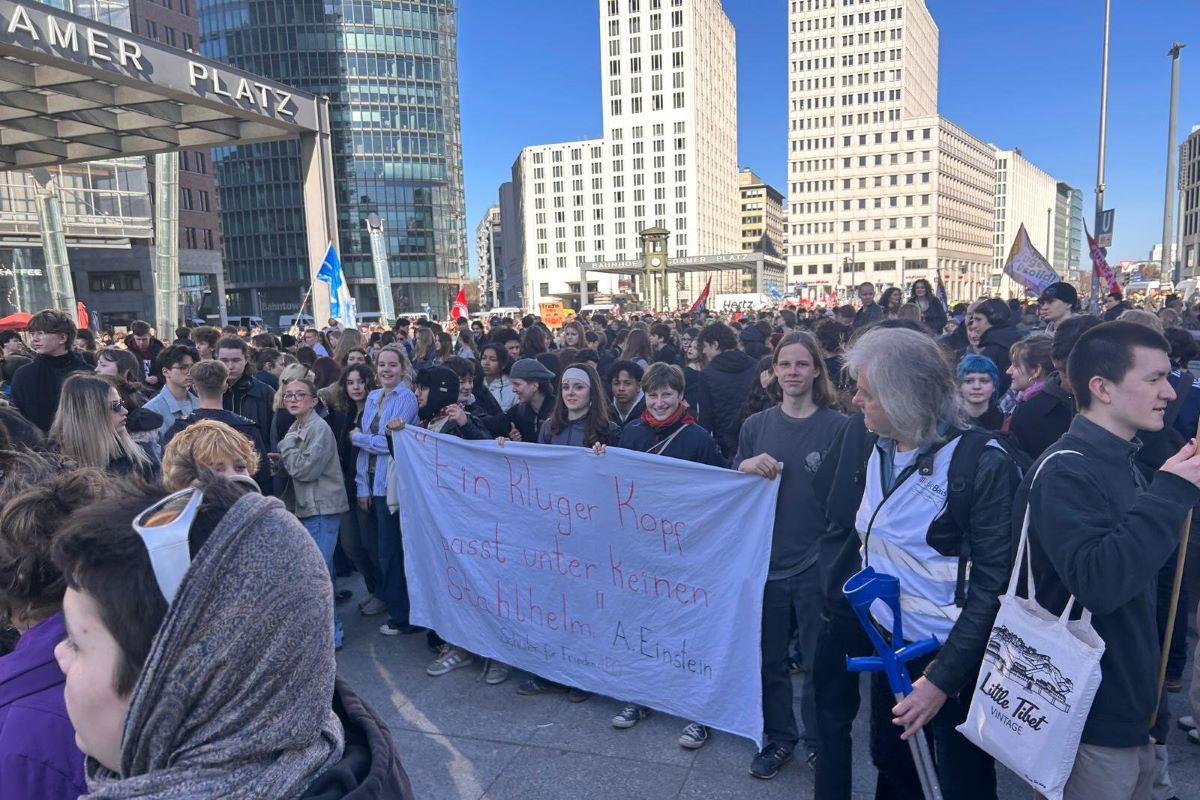
Police figures were lower, particularly in Berlin, where officers counted roughly 3,000 participants. Organisers in the capital put the number closer to 10,000, with students gathering at Potsdamer Platz before moving through Kreuzberg to Oranienplatz.
Elsewhere, around 600 young people protested in Munich, with hundreds more taking part in cities including Stuttgart, Düsseldorf, Kiel and Bonn.
Demonstrations were also reported across North Rhine‑Westphalia, Saxony and southern Germany.
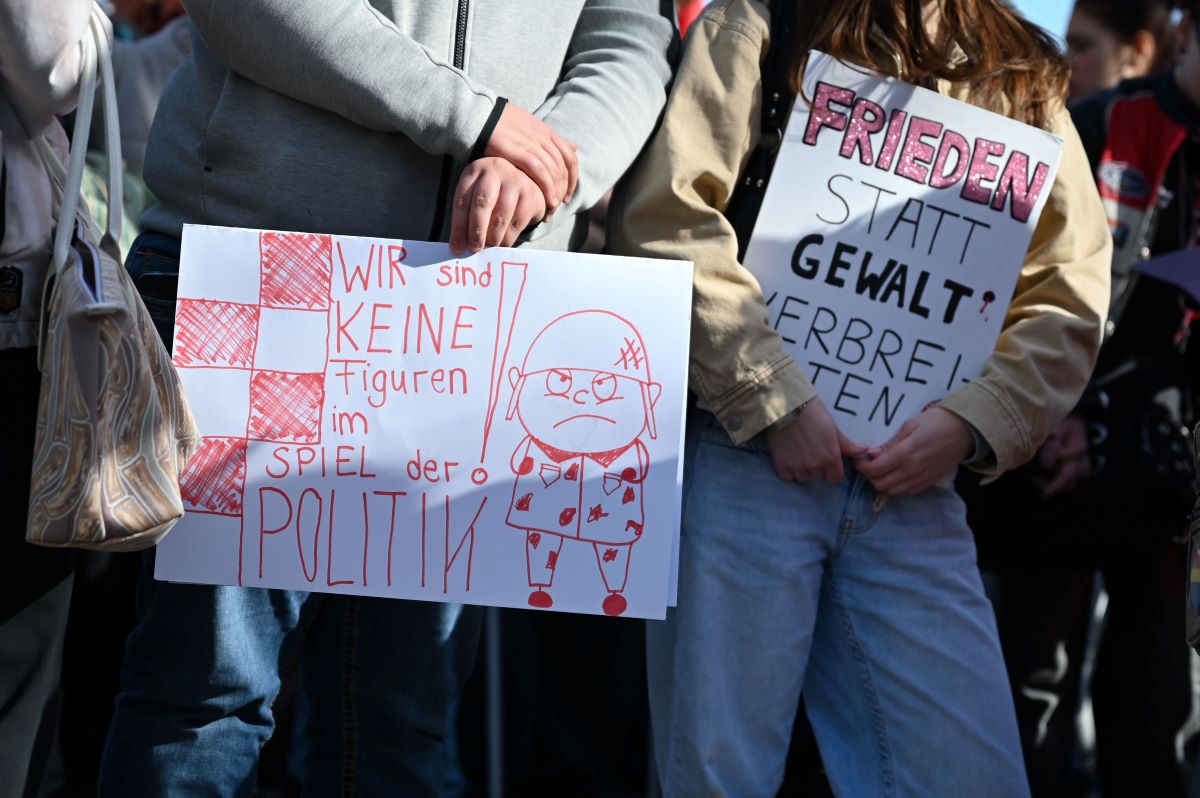
Placards captured the mood: "Dying is not on the timetable", "The rich want war, the youth want a future" and "A clever head doesn't fit under a steel helmet" were among the slogans carried through Berlin’s streets.
‘Preparations for war do not lead to security’
For Hannes Kramer, one of the organisers of the protests, the strikes are about more than a single law.
In an interview with ARD, he argued that the planned compulsory medical examinations for 18‑year‑olds are "the first step towards compulsory military service", creating the conditions for conscription if volunteer numbers fall short.
READ ALSO: German word of the day - Eierkontrollgriff
"Schools are falling apart, there is a shortage of teachers. Young people’s concerns about the climate have long been ignored," he said.
While the government points to Europe’s security situation, Kramer rejects the idea that rearmament brings safety.
"Preparations for war do not lead to security," he said, insisting that Germany’s historical responsibility should push it towards diplomacy rather than militarisation.
The ‘Leck Eier’ poster
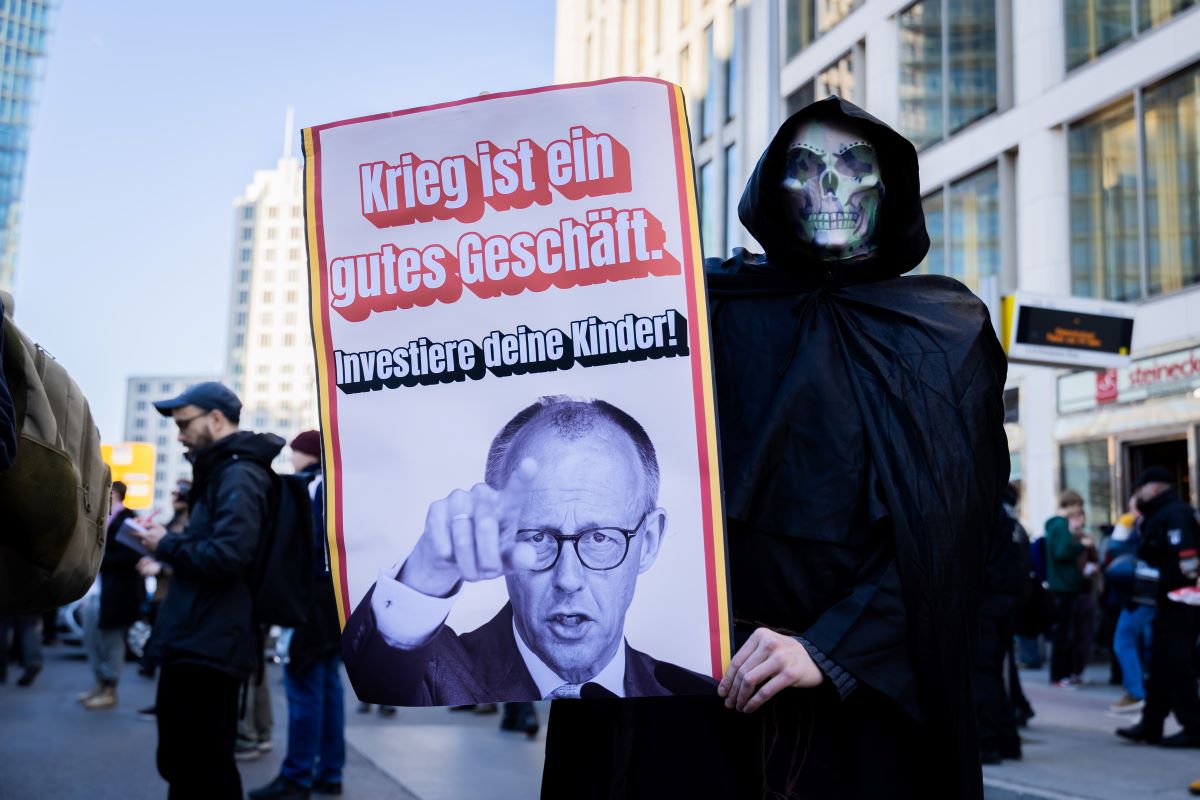
One moment from the Berlin protest has since taken on a life of its own, with police now investigating an 18‑year‑old demonstrator who carried a placard bearing the slogan 'MERZ LECK EIER.' Officers confiscated the poster, directed at Chancellor Friedrich Merz, and opened an inquiry on suspicion of defamation of a person in political life.
Literally, the words translate as "Merz lick eggs", colloquially the meaning is a little more crude.
READ ALSO: Everything you need to know about Germany’s new military service letters
Under German law, defamation involves asserting facts that damage a person’s reputation, while slander concerns knowingly false claims. Police have claimed that the law obliges them to investigate.
Comments