

Inside Germany is our weekly look at some of the news, talking points and gossip in Germany that you might've missed. It’s published each Saturday and members can receive it directly to their inbox by going to their newsletter preferences or adding their email to the sign-up box in this article.
Since I can't say it in our news stories, I'll start by saying it here: happy New Year, dear readers! We at The Local are glad to have you with us at the start of this year, zweitausendsechsundzwanzig.
True to our columnist Brian Melican's predictions for the year, it seems that 2026 is already on track to be at least as turbulent (if not more so) than the year past.
In geopolitical affairs, this was immediately apparent when US soldiers, under the orders of President Donald Trump, attacked Venezuela and arrested President Nicolas Maduro on January 3rd.
Almost as surprising was the reaction by German Chancellor Friedrich Merz, who notably did not criticise the US operation, or to call out the fact that it was a gross violation of international law, when the leaders of many countries in Europe and around the world were doing so.
In a statement shared in German and English on X, Merz first condemned Maduro for having "led his country to ruin", and then added that the US intervention "is complex and requires careful consideration..."
Nicolás Maduro has led his country into ruin. The most recent election was rigged. Like many other countries, we have therefore not recognized his presidency. Maduro has played a problematic role in the region.
— Bundeskanzler Friedrich Merz (@bundeskanzler) January 3, 2026
But with an emboldened Trump now even more intent on claiming Greenland for the US, Merz may ultimately wish he had stood up for international order sooner. Because if the US does go forward with any form of escalation in Greenland, it would potentially spell the end of NATO and the US - Europe relationship as we know it, and that would be a big problem for Germany.
On this at least, Merz agrees with other European leaders. He issued a joint-statement this week, along with five other NATO state leaders, which said they would not stop defending the "sovereignty, territorial integrity and the inviolability of borders".
Meanwhile, German President Frank-Walter Steinmeier has been more vocally opposed to what the US government is up to. He said this week that the world must be prevented from "turning into a den of robbers where the unscrupulous take whatever they want".
Saukalt
Closer to home, the big news this week is that it's cold -- even "pig-cold" (schweinekalt or saukalt) as Germans like to say.
On Friday and Saturday Storm Elli swept over the country, causing school closures and travel disruptions in places and also burying much of the north in a hefty pile of snow.
But the weather is predicted to ease after the storm on Sunday, and in places where the snow remains that could make for a beautiful day to get out and enjoy making Schneemänner, or even lacing up your ice skates or cross country ski boots if you have them.
IN PICTURES: People in Germany make the most of freezing weather
Speaking of, do you enjoy making the most of the German winter or do you prefer to stay warm and cosy at home? We'd love to hear your top tips on surviving the frigid season in our latest readers' survey.
Bert and Ernie to direct traffic in Hamburg
Appropriately, given the challenging conditions for driving this week, news comes in from Hamburg that two well-known characters from the Sesame Street TV series will soon be gracing traffic lights in the city.
Starting January 13th, Ernie and Bert will direct pedestrian traffic at two intersections near NDR television locations, with Ernie signalling “go” and Bert “wait.” The initiative is being launched to celebrate over 50 years of “Sesame Street” in Germany, produced by NDR as a partner of Sesame Workshop.
One of the joys of living in Germany is witnessing how different regions and states highlight their unique history and culture – even in everyday details like traffic lights. The most famous example being the Ampelmännchen in Berlin and eastern German cities, sporting his iconic wide-brimmed hat.
READ ALSO: How East Germany's 'traffic light man' became a beloved icon

But other cities have also introduced their own local celebrities as pedestrian signals. A number of traffic lights in Mainz feature the Mainzelmännchen (ZDF mascots), visitors to Schwerin in Mecklenburg-Vorpommern can see Petermännchen, the castle goblin. Munich uses Pumuckl from children’s TV and Bremen showcases the famous Town Musicians.
Starting in December last year, several ‘green men’ in the Franconian city of Coburg have also started carrying one of the city’s distinctively-shaped bratwursts in tribute to the popular snack.
Photo of the week:
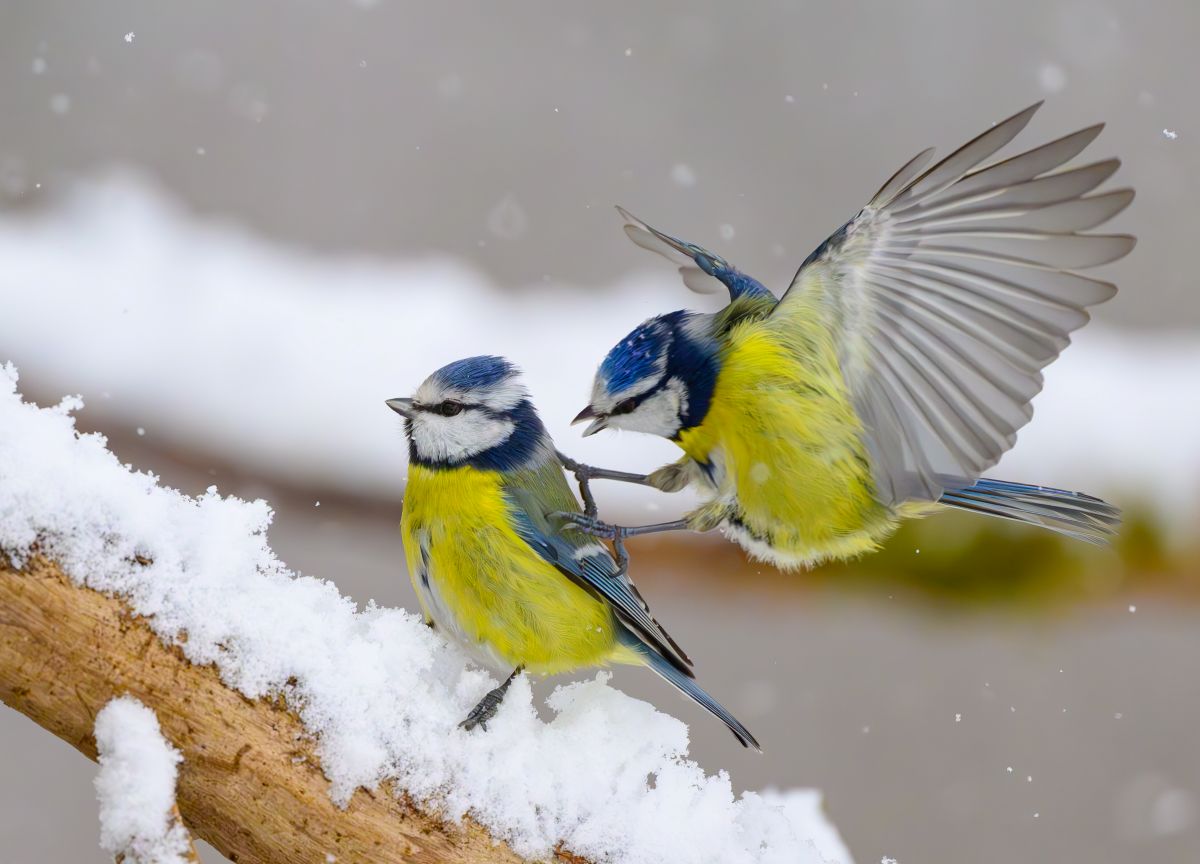
Songbirds are fewer in Germany in the winter months as many species have long since flown further south to warmer regions, but that's not to say there aren't any around.
Every year at the beginning of January, the German Nature and Biodiversity Conservation Union (NABU) in Berlin and the State Association for Bird and Nature Conservation (LBV) in Bavaria ask the population for help with a widespread bird count. (It appears that residents in other states can join in as well. You can check your zip code in the website below to find out.)
Should you be interested in helping out, the task is relatively simple: take a position in front of a window with a view of a garden or in a local park for one hour, and then count all the birds that you see -- noting the species and number of individuals (there's an online application form to help with this). This can be done anytime from Friday to Sunday, January 9th to 11th.
The experts hope this will provide insights into changes taking place in the bird world. It's also a fun bit of citizen science to get engaged with, and yet another reason to bundle up and embrace the elements this weekend. You can find more information, and register on the NABU website.
With reporting by Tom Pugh.
Comments