
Homelessness in Germany has reached alarming levels, with over half a million people lacking permanent accommodation as of early 2025. The crisis affects men and women of all ages, with families and young people increasingly at risk.
As winter intensifies the dangers faced by those without shelter, we look at how residents in Germany can support some of the social welfare organisations working to alleviate homelessness.
The scale of the problem: Who Is most affected?
Recent government reports reveal that homelessness in Germany is on the rise.
As of early 2025, more than 500,000 people in Germany did not have a permanent home – significantly more than two years ago.
Of those, the majority, at around 440,000 are accommodated in emergency housing, while a further 60,000 are thought to stay with relatives or friends. Still tens of thousands of people are living on the streets or in makeshift shelters in Germany.
The sharp increase in homelessness is partly attributed to improved data collection and the inclusion of Ukrainian refugees, who now make up nearly a third of those accommodated in shelters.
Homelessness is not just an urban issue; it affects families, young people and individuals across the country and many report accompanying problems such as illness, discrimination and violence.
Social welfare associations describe homelessness as “the most extreme form of poverty in our society,” calling for rapid and targeted assistance, especially for families with children.
READ ALSO: Germany's Bürgergeld reform could increase homelessness
Government plans
In 2024, the German government unveiled a National Action Plan to combat homelessness, setting an ambitious target: to end homelessness nationwide by 2030.
The plan, published by the Ministry of Housing, Urban Development and Construction, outlines 31 measures that federal, state and local authorities must implement, including expanding affordable housing, improving access to social services and increasing housing subsidies to prevent people from losing their homes due to rising rents and energy costs.
While the plan has been welcomed as a step in the right direction, critics argue that its goals may be unrealistic without proper funding and implementation.
Concrete ways to help
Despite the scale of the challenge, there are numerous ways for residents to help fight homelessness in Germany.
Supporting local charities – such as those listed below – by volunteering and donating essentials can make a real difference.
Kältehilfe (Cold Aid)
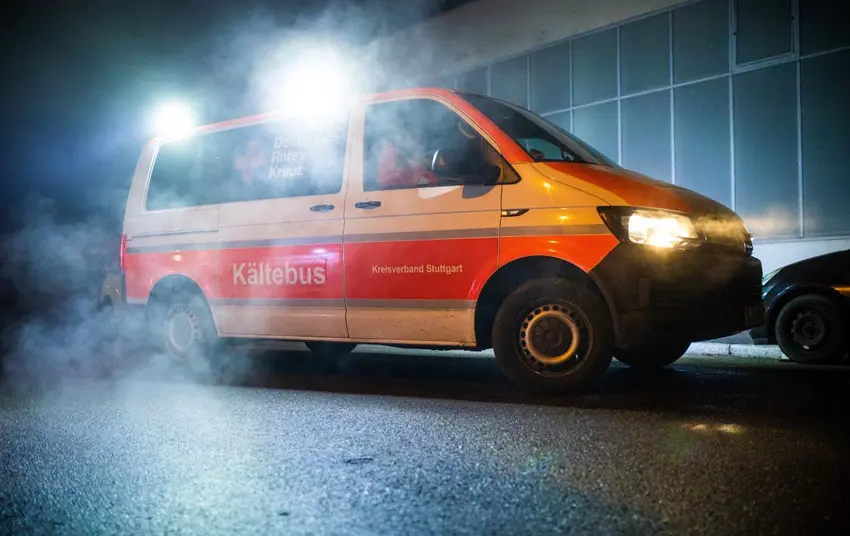
Johanniter Kältehilfe is a nationwide initiative providing emergency support to homeless and vulnerable people during the winter months. Volunteers operate mobile Kältebusse (cold buses) in cities across Germany, distributing warm meals, hot drinks, blankets, winter clothing and hygiene items to those living on the streets.
The organisation also offers medical care and counselling, bridging gaps in support systems during evenings and nights when other services may be unavailable.
Volunteers are always needed to prepare and deliver aid, and donations of food, clothing and money are vital to sustaining these life-saving efforts.
READ ALSO: Five of the best ways you can do volunteer work in Germany
Off Road Kids Foundation
The Off Road Kids Foundation is the only nationwide aid organisation dedicated to supporting street children, young homeless people and “sofa hoppers” (young people living temporarily at friends’ homes without stable accommodation).
With social work stations in major cities and digital counselling via sofahopper.de, Off Road Kids provides immediate help, health counselling and follow-up programmes to help young people achieve stable living conditions and career prospects.
Volunteers can assist with outreach and digital services, and donations are crucial for maintaining the foundation’s nationwide reach.
Rise Foundation e.V.
Based in Berlin, Rise Foundation supports homeless people by providing meals, hygiene items, clothing and essential information about local shelters and services. The foundation runs outreach events throughout Berlin, distributing necessities and engaging directly with individuals to foster human connection and reduce stigma.
Volunteers are welcome to help with event management, logistics and direct support, while donations of food, hygiene products and financial contributions help sustain campaigns and projects.
READ ALSO: How you can earn extra money in Germany this winter with a 'Winterdienst' job
Munich’s Homeless Assistance Network
The City of Munich provides a comprehensive network of support for homeless individuals and families, including emergency accommodation, counselling, street outreach and food and clothing banks.
Facilities such as emergency shelters, flexi-homes and clearing houses operate in cooperation with independent welfare organisations. Street workers regularly visit homeless people to offer counselling and help them access available services.
The Homeless Assistance Network also lists additional services and contact points, and specialised facilities like Frauenhilfe München provide refuge for women facing domestic violence.
Frostschutzengel
Frostschutzengel (“frost guardian angel”) is a Berlin-based counselling service supporting homeless people, especially those from Germany and other EU countries who face language barriers and limited access to social benefits.
The organisation offers outreach and multilingual counselling in low-threshold homeless assistance facilities, providing information on social benefits, housing, migration-specific issues, document procurement and basic medical care.
Volunteers and trained counsellors are essential to delivering these services, and community engagement is encouraged.
If you know of any other organisations providing vital services for homeless people in your area, please feel free to mention them in the comments section.
Comments