

If you’re living in Germany and want to feel more at home, volunteering is one of the best ways to go about it.
Germans are famously enthusiastic about giving back – around 31 million people in the country volunteer, helping out in everything from youth centres to nursing homes, fire brigades, and animal shelters.
In fact, nearly half of all Germans over 14 are involved in some kind of voluntary work.
Not only does volunteering help you meet new people and improve your German, it could also be seen as a point in your favour if you're applying for grants, residence or citizenship.
Here’s how you can get started with five of the most popular types of volunteering in Germany.
Volunteering at a youth centre
Youth centres (Jugendzentren) are spaces where young people spend time, learn new skills, and take part in all sorts of activities. As a foreigner, you’re welcome to get involved, and it’s a great way to connect with local families and young people.
Start by searching for youth centres in your area. Websites like Das Örtliche provide comprehensive address lists of Jugendzentren across Germany, searchable by location.
You’ll usually need some basic German skills to communicate with the children and staff, but don’t worry if you’re not fluent – some centres offer language support or have mentoring programmes for volunteers.
READ ALSO: 7 German children's songs international parents will inevitably have to learn
Once you’ve found a centre, reach out directly – visit, call, or email to ask about available roles. You might help run programmes, mentor young people, organise events, or assist with administration. Most centres offer a short orientation or training session, so you’ll know what’s expected and how to work safely with young people.
Be prepared to provide a criminal background check (Polizeiliches Führungszeugnis) and for the possibility that you may need accident insurance.
Becoming a volunteer firefighter
If you’re looking for something hands-on and exciting, consider joining your local volunteer fire brigade (Freiwillige Feuerwehr). These community-based teams play a vital role in public safety and are nearly always looking for new members.
READ ALSO: 8 easy and fun ways to learn more about Germany
You’ll need to be at least 16 (sometimes younger with parental permission) and in good physical shape.
To get started, find your nearest volunteer fire department – most towns and districts have at least one. A good place to start looking is the website of the German Association of Fire Brigades (Deutsche Feuerwehr Verband).
German language skills at B1 level or higher are usually required, since clear communication is essential in emergencies.
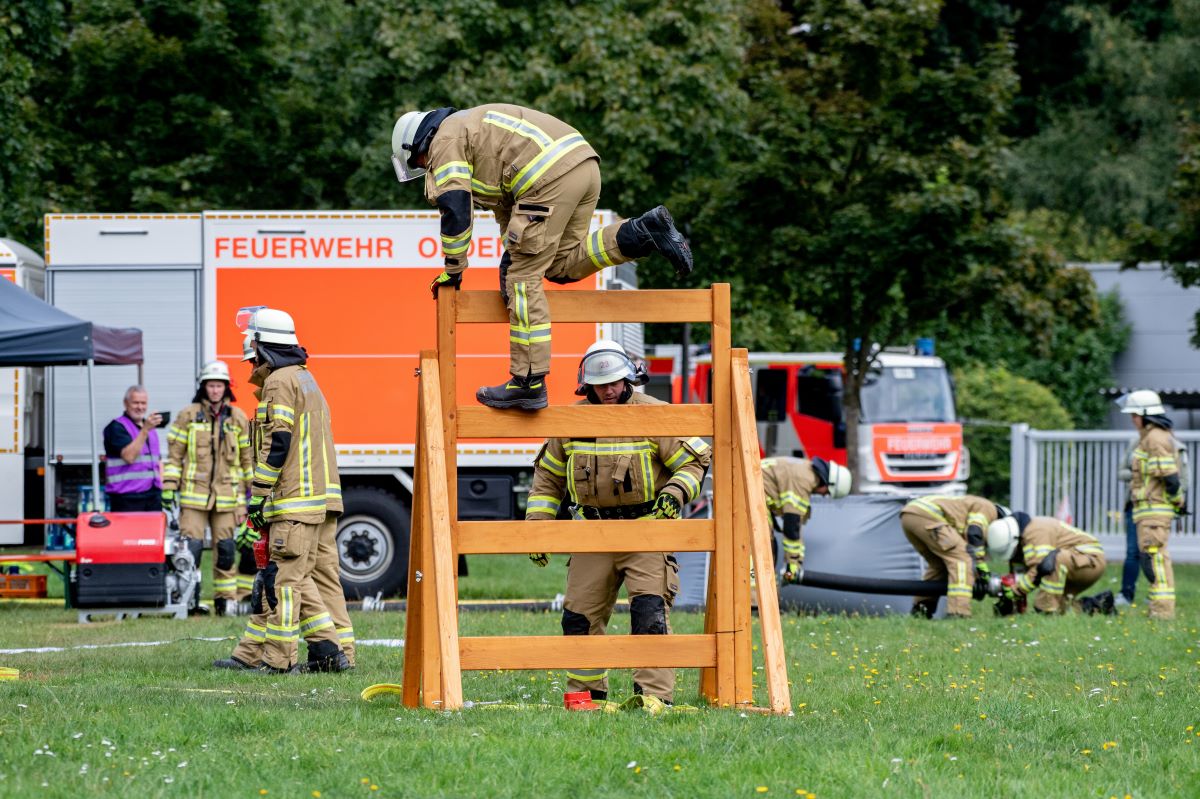
Contact the fire department directly – drop by, call, or email to express your interest. They’ll likely invite you to an information session or a trial training. All new volunteers go through basic training, which covers firefighting, rescue, and safety. This can take a few months and is usually organised by the department with help from regional fire academies.
READ ALSO: 7 of the best destinations for an autumn break in Germany
Once you’re trained, be prepared to attend regular training sessions and respond to emergency calls, sometimes at odd hours. You’ll also help with community outreach and fire safety education.
You’ll need to show proof of residence, a clean criminal record, and good health. Non-EU nationals can generally join providing they have the right residence status.
Volunteering at a hospice
Hospices (Hospize) provide care and comfort for people at the end of life and often rely on volunteers.
Start by searching for hospices or palliative care centres near you online. Contact them directly to ask about volunteer programmes – most have coordinators who can explain what’s involved.
Hospice volunteers don’t provide medical care, but they do offer emotional support, companionship, and practical help to patients and families. You’ll need to be at least 18, emotionally resilient, and able to commit regularly. Basic German is important for communicating with patients.
Volunteers typically receive comprehensive training, often over several weeks, covering palliative care, communication, and grief support. You’ll also attend regular meetings and refresher courses. A clean criminal record and health clearance may be required.
Volunteering at a food bank
A lifeline for many people in Germany, food banks (Tafeln) rely on volunteers to keep running.
You can find your nearest food bank on the Tafel Deutschland website.
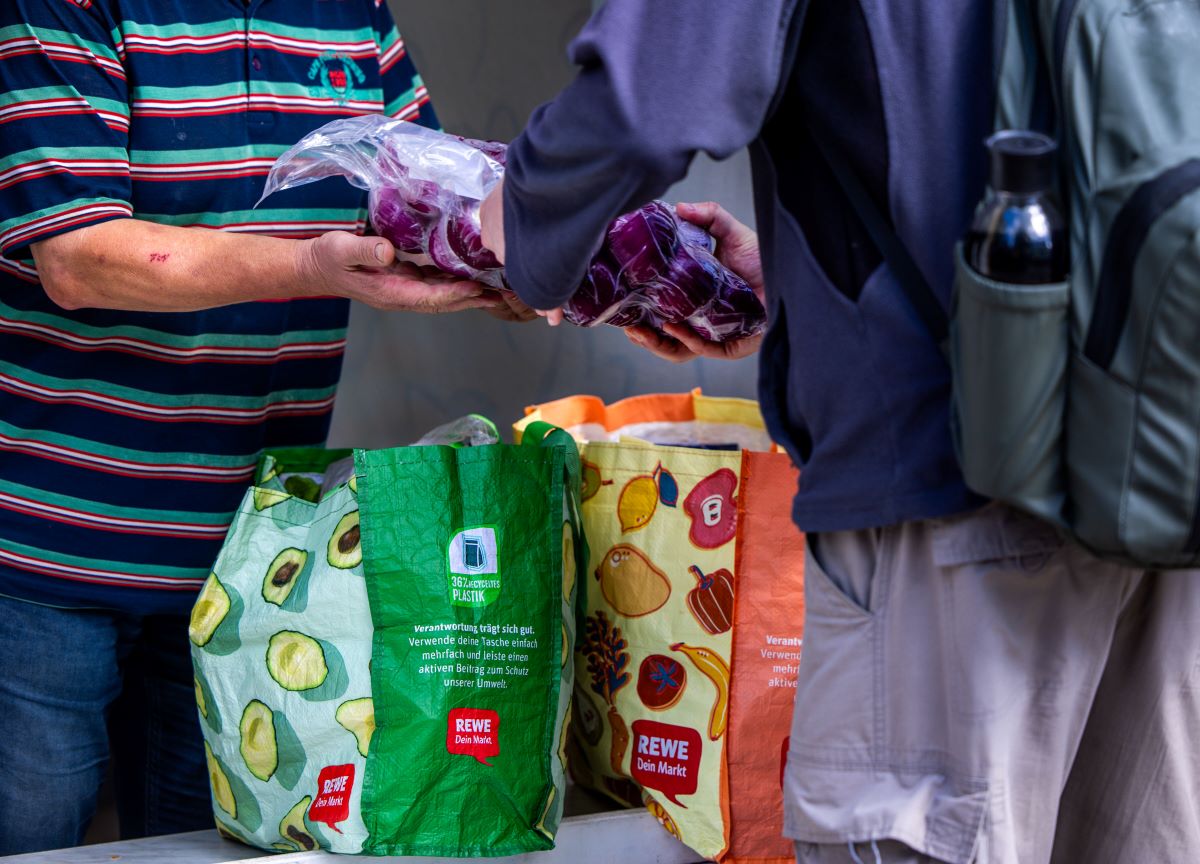
Contact the food bank directly to express your interest. Basic German helps, but some food banks are happy to accommodate volunteers with limited language skills. You’ll need to commit to regular shifts, help sort and distribute food, and follow health and safety rules. Some places might ask for a background check or health clearance.
Most food banks require you to fill out an application and attend a short training session about hygiene and confidentiality.
Volunteering at an animal shelter
If you love animals, volunteering at an animal shelter (Tierheim) is a fantastic way to help out. Start by searching for shelters in your area – websites like the German Animal Welfare Federation (Deutscher Tierschutzbund) have directories.
Contact shelters directly to ask about volunteer roles. You might help feed, groom, and clean up after animals, walk dogs, assist with adoption events, or help with administration.
READ ALSO: How to volunteer in Germany - even if you speak no or little German
Most shelters want volunteers to be at least 18, physically able to handle animals, and reliable. Again, basic German is helpful for communicating with staff and visitors.
You’ll usually get a short orientation or training session to learn about animal care and safety. Shelters expect volunteers to commit to a regular schedule, whether weekly or monthly. Some may require a background check and offer accident insurance.
Comments