
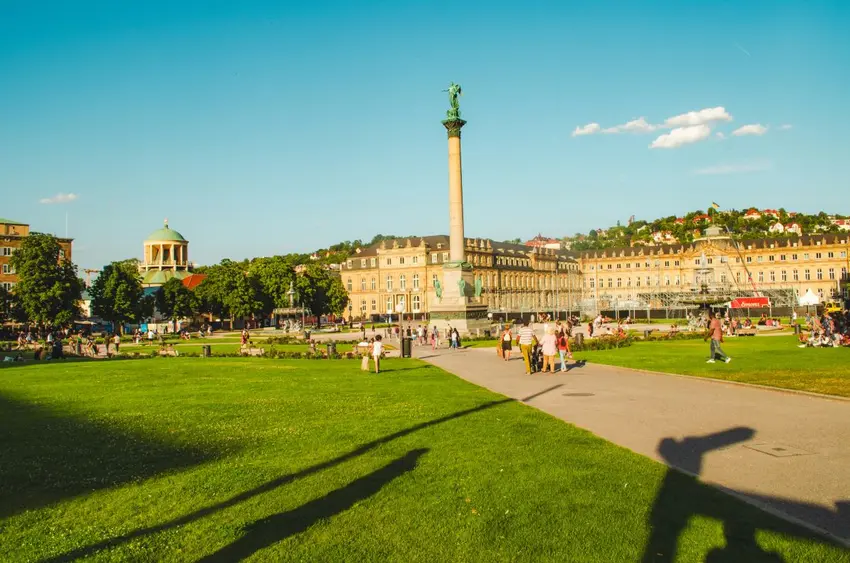
It's easy to take life in Germany for granted. But while the weather may be better in Spain, the food better in Italy and the digital infrastructure better in the US, there's still plenty to enjoy about living in the federal republic.
Most international residents in Germany are here because they want to be – a fact which quickly became clear when we asked our readers to tell us what they found convenient about life here and how it made their lives easier.
Life is subjective
New arrivals in Germany find pleasure in escaping the inconveniences they had to manage in their home countries. Two clear examples of this phenomenon came from a retired teacher in Berlin and a scientist working in Potsdam.
For the former, one thing which adds to the ease of life in Germany is the fact that prices on goods are shown with the sales tax already calculated.
“Having the tax included in the price of something, so I know what it costs and don't have to figure out the price. I love the clarity.”
For the latter, it’s the lack of tolls on the Autobahn which makes life in Germany convenient in comparison with other countries.
“No tolls on the Autobahns. It’s more civilised to pay in various taxes rather than nickel-and-diming folks trying to get around,” explains this respondent, comparing Germany’s system favourably with others in the US and Europe, most notably the “Austrian Vignette system, which requires you to buy (the road tax) separately, either online, or by getting off the highway.”
Foreign residents love public transport in Germany
There are personal favourites among the things which make life in Germany convenient, and then there’s one topic on which nearly everyone can agree.
More than half the respondents to our survey mentioned public transport.
Carla, a teacher in Berlin, who uses public transport “all the time and every day” said: “My quality of life is significantly improved by being able to use it to work, for shopping, for seeing friends, for getting to other transport options or for heading out for an adventure."
Nancy, a business professor from the USA, agreed: “Public transportation is wonderful (except ICE trains which are chronically late). I don't need a car and its associated expenses (maintenance, petrol, insurance, parking). It saves both time and money.”
READ ALSO: Germany confirms 'regrettable' Deutschlandticket price increase in 2026
Admittedly, Nancy is not alone in qualifying her praise for Germany’s public transport offering. When praising trains in the country, Scott, a Canadian software engineer based in Heidelberg, said "they may be late, but they will get you there".
"Public transport gives me independence,” said another, anonymous respondent.
Brenda made the point that this can be a particularly important for pensioners. "Good public transport in my area gets me to hospital (and) doctors without having to find parking,” she said.
One respondent, with a trace of the resigned good humour familiar to public transport users everywhere, added: “There may be problems with (public transport) but at least we have something to complain about.”
READ ALSO: Why work-life balance in Germany ranks among the best in the world
Harini Prabhakar, a physicist, singles out Germany’s Deutschlandticket for special praise.
"One thing which makes life easier is the DL ticket,” he wrote. “It's the cheapest and most convenient (means of travel) for non-car owners I’ve seen in any European country.”
Another anonymous respondent also appreciated how easy it is to get a taxi in the country.
Work life balance and plenty of green spaces
Harini is also impressed with the work life balance in Germany, noting that he could really feel a difference when he arrived in the country.
“I am really enjoying it,” he wrote. “It gives me a lot of time for self-care and a healthy routine, which was harder to find in my home country, India."
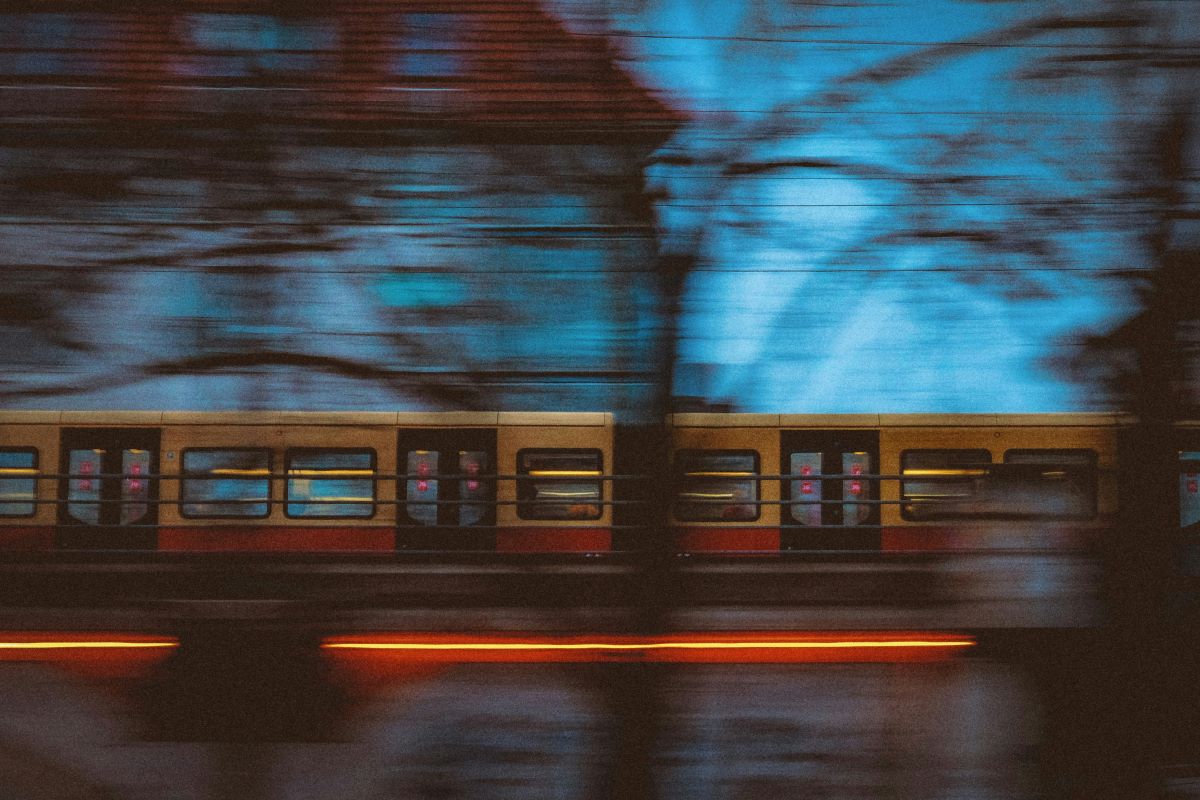
Scott in Heidelberg finds Germany’s cities “walkable and bike friendly. It means I don't need a car and can get around in a more environmentally friendly way."
An anonymous respondent agreed, especially when it comes to Germany’s capital city. "Berlin has so many green spaces...both parks and forests. I also love the fact that Berlin has so many trees.
She also noted that “Berlin is a wonderful place for vegetarians and vegans. We have so many different choices."
READ ALSO: OPINION - Germany's cities are designed for walking and it benefits everyone
The health system
Green spaces, bicycle paths and vegetarian food can all contribute to a healthy lifestyle. But what do our readers think about Germany’s actual health system? Here again, our readers find plenty to appreciate (with a few notes to add).
Alan, a data analyst based in Cologne, mentioned health insurance as one key area in which Germany has “improved my quality of life compared to my home country".
John in Munich noted the generous provision of sick leave, and Joe is a big fan of the country’s e-Rezept system – an electronic prescription system that replaced traditional paper prescriptions in January 2024.
READ ALSO: Can privately insured people use e-prescriptions in Germany?
“Although (it was) a bit buggy when first implemented, it now works really well. I think it has the edge over the UK NHS e-prescription due to speed of prescription upload and the redeem at any pharmacy feature,” he said.
In answer to the question, how does healthcare in Germany make your life easier, Francis in Essen replied succinctly: “I do not have to worry about going bankrupt if/when I fall sick."
Advice for international residents in Germany
A number of our readers were kind enough to offer some advice on how international residents in Germany can make lives easier and more convenient for themselves.
A respondent based in Munich recommends choosing private services over government services, if possible. “When you pay a little more,” he said, thinking particularly of medical and pensions services, “it just works.”
Harani and Lilly, a mum of two in Munich, both made the point that when it comes to making life in Germany easier, nothing will help as much as learning the language.
“Even the fact that you try to make an effort … helps to connect with people,” said Harani.
READ ALSO: German word of the day - Bekannten
Lilly agreed. “Even speaking broken German makes people … more likely to help out. I've noticed it when I call to make doctors appointments or have a question for one of the many public agencies or simply need to ask someone on the street something. They appreciate the effort even if they switch to English halfway through the conversation anyway.”
Today’s last word goes to a reader based in Potsdam, who particularly requested that we pass on his tip to remind readers to buy a Vignette (road tax disc) before entering Austria – “or they'll fine you twice; it was annoying enough to me that I refused to apply for a job there!”
Thank you so much to everyone who completed our survey. Although we weren't able to use all the responses, we read them all and they helped inform our article. Please feel free to leave a comment below if you would like to add any other opinions to the conversation.
Comments