
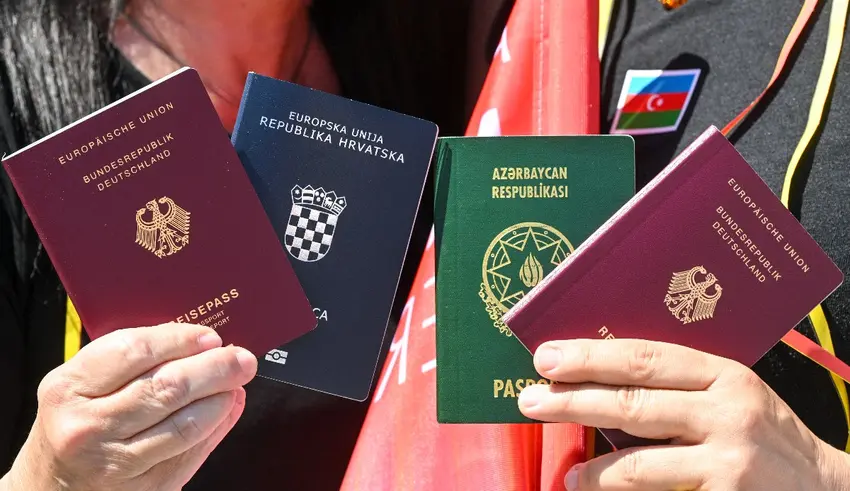
Widely celebrated by the foreign community, since the end of June 2024 Germany has opened up the possibility of dual-citizenship to individuals, regardless of their country of origin.
In principle this means that anyone in Germany can become a dual-citizen as long as they meet certain qualifying criteria including German language and residency requirements. Foreign residents can gain a German passport whilst still keeping their home passport, and native born-born Germans can also gain a foreign country passport without forfeiting their German one.
CHECKLIST: What do I need to apply for German citizenship?
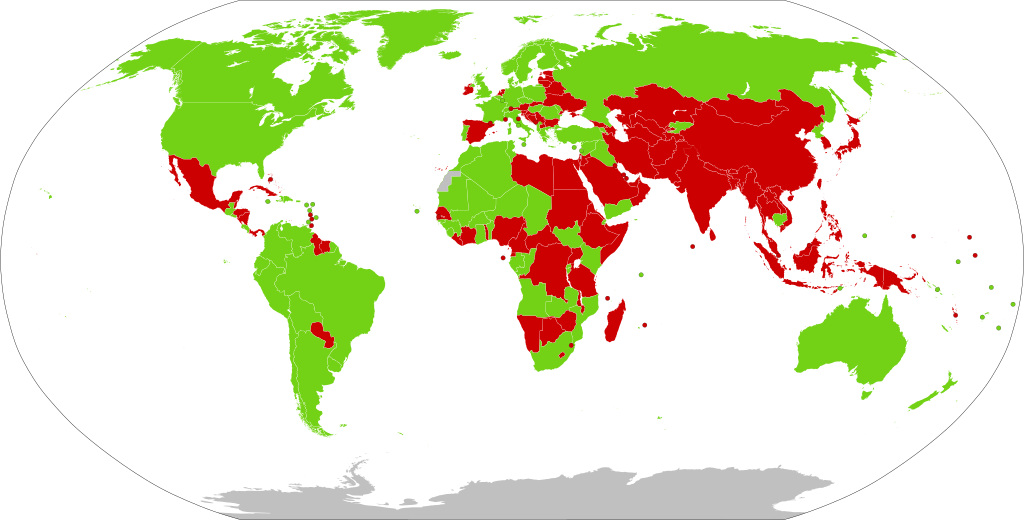
But a number of countries around the world aren't as liberal with their own citizenship rules.
For people from these countries, unfortunately, the decision to naturalise as German would essentially mean having to renounce the citizenship that they've had since birth.
For Indian citizens, for example, naturalising as German results in the automatic the loss of their Indian nationality.
READ ALSO:
- 'Won't give up my passport' -Why Indians in Germany face hurdles to citizenship
- How Indians can protect their residency rights in India after becoming German
In effect the same applies to citizens of other countries that don't recognise dual-citizenship such as China, Japan or the United Arab Emirates, for example.
Until now, Ukraine recently was also among the countries that did not recognise dual-citizenship, but a reform to the country's citizenship law that took effect in June allows for dual-citizenship in specific cases, such as through birth, marriage, or for refugees and foreign volunteers.
Some countries that generally forbid dual-citizenship will make exceptions in specific cases. For example, the Republic of Korea (South Korea) doesn't permit its citizens to have dual citizenship in most cases but allow it in some cases, such as for foreign citizens who marry a South Korean national, or people considered to have “outstanding talent”, among other exceptions.
So if you'd like to seek dual-citizenship, it's worth checking with your embassy about the latest rules and possible exceptions.
- Andorra
- Azerbaijan
- Bahamas
- Bahrain
- Belarus
- Botswana
- Bhutan
- China
- Cuba
- Congo
- Djibouti
- Ethiopia
- Haiti
- India
- Indonesia
- Iran
- Japan
- Kazakhstan
- Kuwait
- Kyrgyzstan
- Laos
- Macau
- Malaysia
- Marshall Islands
- Micronesia
- Monaco
- Mongolia
- Mozambique
- Myanmar
- Nepal
- North Korea
- Oman
- Papua New Guinea
- Qatar
- San Marino
- Saudi Arabia
- Singapore
- Slovakia
- Solomon Islands
- Swaziland
- Tajikistan
- Thailand
- Tonga
- Turkmenistan
- Uzbekistan
- United Arab Emirates
- Venezuela
- Vietnam
- Yemen
- Zimbabwe
Comments (1)