

Greens urge review of gun laws for members of 'extremist' AfD
Following the domestic intelligence agency's decision to classify the far-right Alternative for Germany (AfD) party as "confirmed extremist", the Green Party is calling for a firm response.
Speaking to the press on Tuesday, parliamentary leader Britta Haßelmann said the goverment should review what consequences the new label would have for laws such as the Weapons Act.
At the beginning of May, the Office for the Protection of the Constitution categorised the AfD as a "confirmed right-wing extremist movement". In response, the AfD filed an urgent appeal, prompting the intelligence agency to suspend its label for now.
"We have taken a clear position on this: weapons must not be in the hands of enemies of the constitution," said Haßelmann. "We must therefore review our current gun laws to see whether they need to be tightened."
At the same time, Haßelmann reiterated her call to other parties to initiate a ban procedure against the AfD immediately.
READ ALSO: Will Germany's Merz try to ban the far-right AfD?
"We all know the dangers and threats posed by the AfD," she said. "It is an anti-constitutional party and has declared war on the fundamental values we stand by: the rule of law, the principle of democracy and human dignity."
Old age care recipients face months-long delays for financial aid
Backlogs at social welfare offices mean many pensioners in need of care are being threatened with losing their place in a care home, a report in ARD has revealed.
A survey conducted by Report Mainz found that, at most social welfare offices in Germany, processing applications for financial support took months or even years to process. This is putting elderly pensioners in dire straits.
Of 113 social welfare offices surveyed, around 27 percent reported processing times of six months to a year, while five percent said over a year was common.
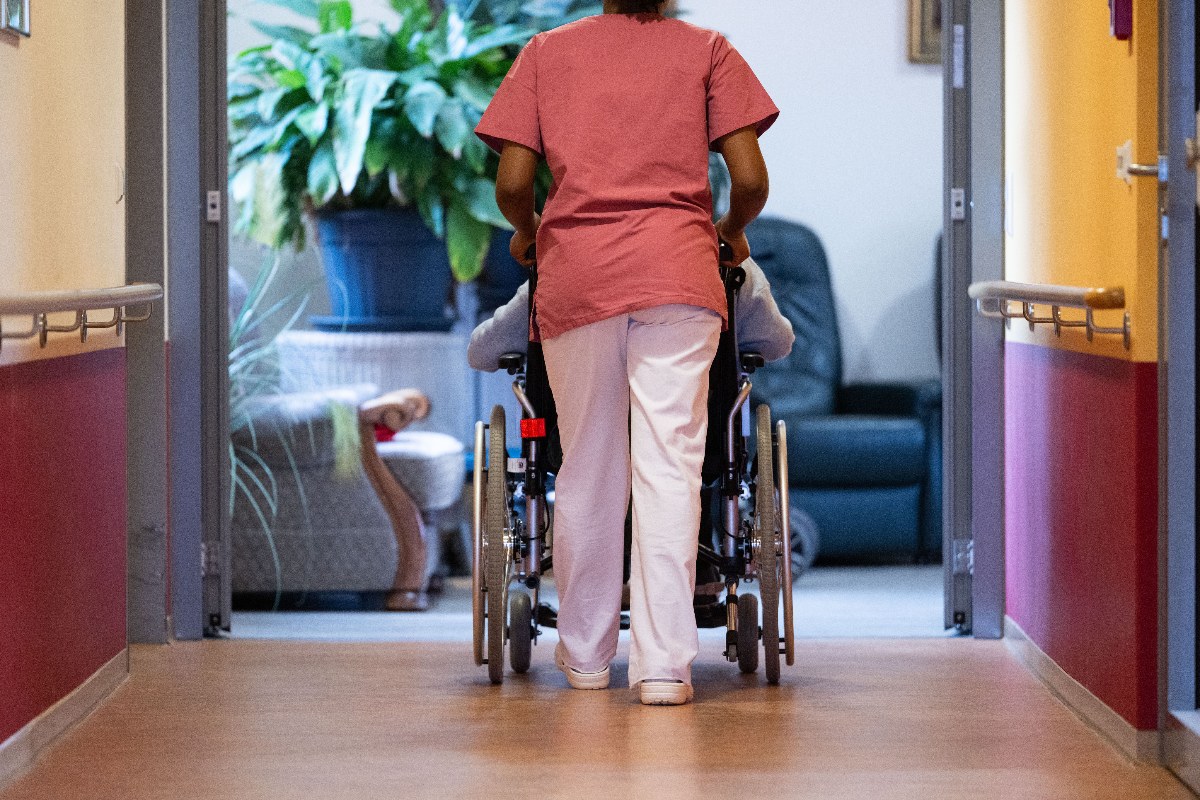
The situation is particularly serious in Berlin's northern district of Pankow, where applicants sometimes have to wait three years. In Wilhelmshaven, meanwhile, around a quarter of applicants wait more than a year, while in Tuttlingen in Baden-Württemberg the waiting time is "currently around 12 months".
READ ALSO: What foreigners need to know about old-age care in Germany
In one case, a man in Lower Saxony needed an extra €900 per month to top up his care insurance and pension in order to pay for his spot in a care home. His daughter submitted an application for care support in 2023, and was still waiting for an answer ten months later. In the meantime, the care home threatened to expel the elderly man.
The welfare office in their local district blamed the delays on "severe staff shortages", adding that "nothing was known" about threats to remove the man from the care home.
German investors cheered by tariff talks and new government
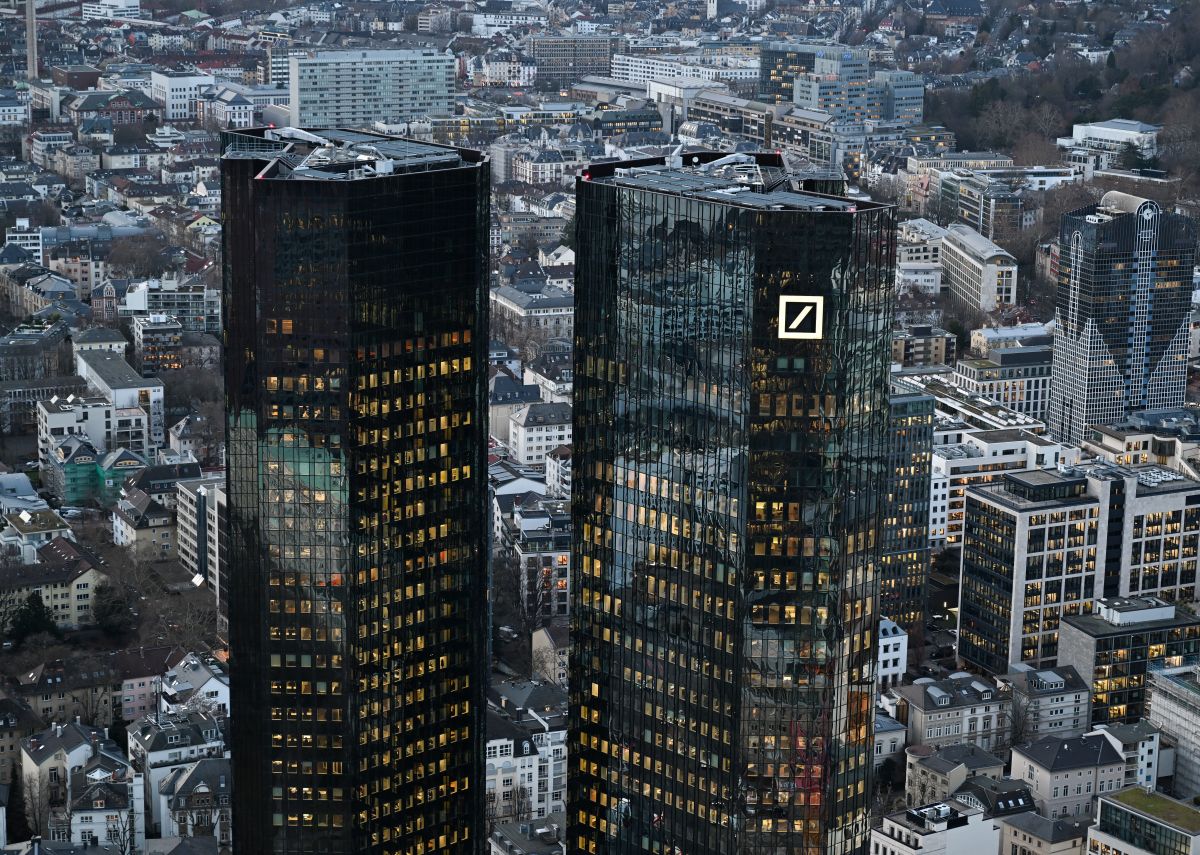
German investor sentiment has jumped, buoyed by rollbacks of US tariffs, and the formation of a new national government, a closely-watched survey showed Tuesday.
Market expectations for Europe's biggest economy over the next six months rose 39.2 points to sit at plus 25.2, clawing back much of the ground lost in a calamitous April fall, according to the May release of the ZEW survey.
On April 2nd, US President Donald Trump imposed sweeping global tariffs before pausing many of them for 90 days and entering negotiations after markets worldwide plunged.
Achim Wambach, head of the ZEW institute, said the returned optimism was down to "the formation of a new government and movement in the tariff disputes".
Trump has brought down an initial 20-percent tariff on EU imports to to 10 percent, and senior US and Chinese officials on Monday announced agreement to drastically lower sky-high tariffs on each other.
Almost all German sectors experienced a rise in confidence, the survey showed, but optimism grew fastest in export-intensive industries such as steel and chemicals.
READ ALSO: German growth better than expected but tariff turmoil looms
Germany's economy has shrunk for the past two years, hit by lukewarm demand for its exports in the face of patchy global growth and increasingly fierce Chinese competition, as well as high energy prices.
Some economists hope that substantial infrastructure spending and reforms under the new governing coalition led by Friedrich Merz can help get the economy back on its feet.
Union politicians call for rethink on 'firewall' against the Left Party
As the new make-up of the Bundestag makes it increasingly tricky to govern, senior figures within Germany’s CDU are calling for a reassessment of the party’s long-standing refusal to work with the Left Party.
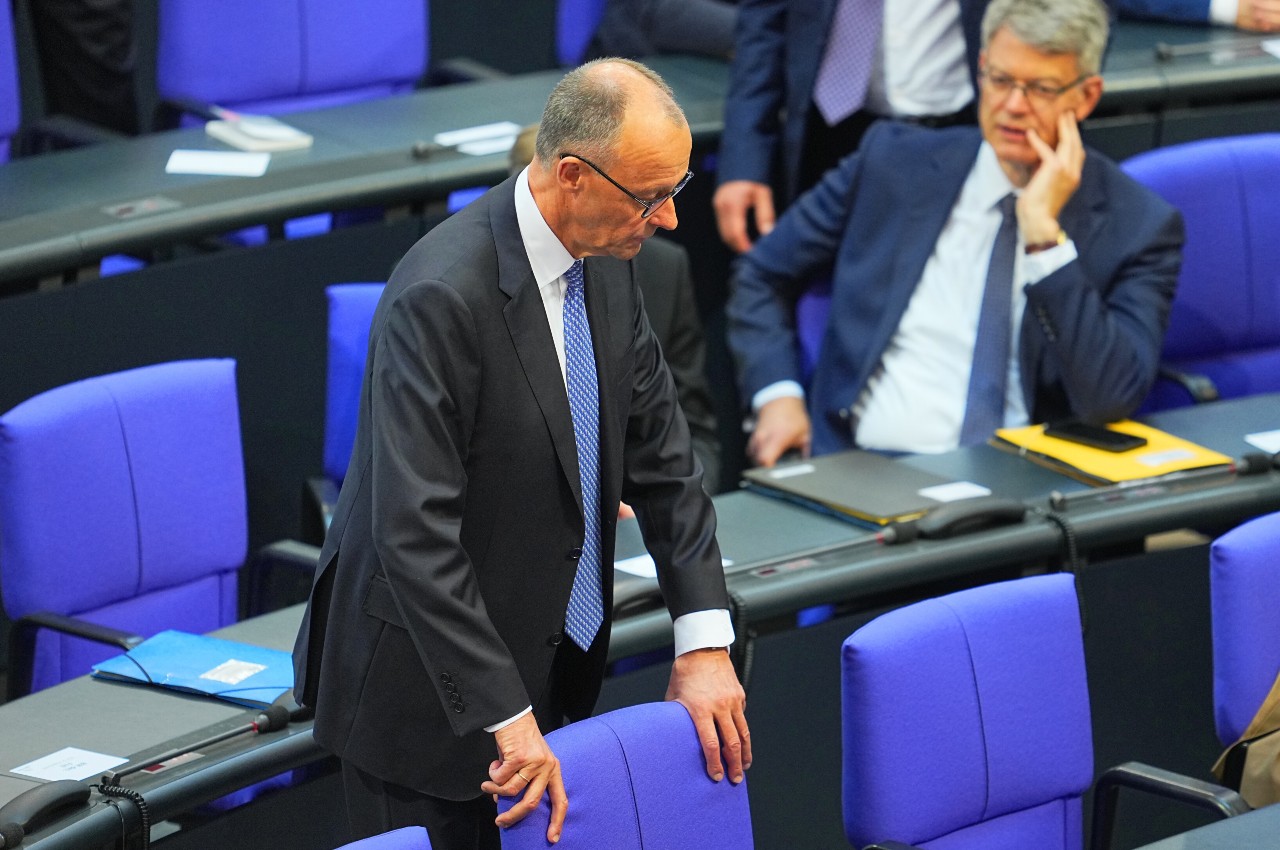
A 2018 party resolution forbids cooperation with both the Left and the far-right AfD. However, after Friedrich Merz’s failed first-round election as Chancellor, the CDU had to rely on Left Party support - alongside SPD and Greens - to secure the necessary votes in a second round.
Merz's shock failure to be elected Chancellor in the initial round - a first in German history - highlighted a new political reality for the government. Without either support from either the Left Party of the far-right AfD, the CDU/CSU and SPD coalition cannot achieve a two-thirds majority.
This would make it impossible to push through constitutional changes such as a reform of the debt brake, for example.
CDU Vice Chair and Family Minister Karin Prien has urged the party to avoid rigid dogmatism when it came to the leftwing party.
READ ALSO: German word of the day - Brandmauer
In comments to Stern on Tuesday, she emphasised that while both AfD and the Left are ideologically opposed to the Union, they differ significantly: "The AfD is a party of right-wing extremism and a threat to our liberal democracy. The Left is not."
Thuringian State Premier Mario Voigt (CDU) also called on the party to take a more realistic approach. "In difficult majority situations, it is important to weigh things up carefully and act pragmatically," he said.
Germany urges Russia to take 'decisive step' for Ukraine peace
German Foreign Minister Johann Wadephul has urged Russia to take a "decisive step" towards peace with Ukraine by joining possible talks with President Volodymyr Zelensky in Turkey this week.
"Russia must now take the decisive step forwards and also be prepared to come to the negotiating table," Wadephul said in Berlin after Zelensky said he was ready to meet Russian President Vladimir Putin on Thursday.
"Ukraine has come a long way," Germany's top diplomat added. "Ukraine is ready for unconditional negotiations on a ceasefire and a peace agreement, and Russia is now called upon to act.
"Russia must not leave an empty chair there. Russia must appear if it is seriously interested in peace."
READ ALSO: German leaders warn 'clock is ticking' on Ukraine ceasefire
Comments