
Wagenknecht sues for election recount
Sahra Wagenknecht, leader of the leftwing conservative Sahra Wagenknecht Alliance (BSW) has sumitted an application to the Federal Constitutional Court for a recount of votes from the national election.
Wagenknecht's left-wing conservative party won 4.972 percent of the second votes nationwide in the Bundestag election on Febryary 23rd, just barely missing the five percent threshold which secures representation for a party in the parliament.
According to the party, about 13,400 votes were missing.
READ ALSO: Sahra Wagenknecht, Germany's combative 'left-wing conservative'
Individual recounts in some places have found that some votes were apparently wrongly assigned, but so far these haven't resulted in a significant change in the results.
DPA reported on Tuesday that recounts had occurred at twelve Berlin polling stations, in which two additional BSW votes were found.
AfD success hits tourism in eastern Germany
Owners of hotels and tourism businesses in the north-eastern state of Mecklenburg-Western Pomerania have voiced concerns that the far-right Alternative for Germany (AfD) party's strong showing in their state has scared away would-be summer visitors.
The Baltic Sea coast in Mecklenburg-Western Pomerania is among Germany's most popular domestic destinations for summer vacations.
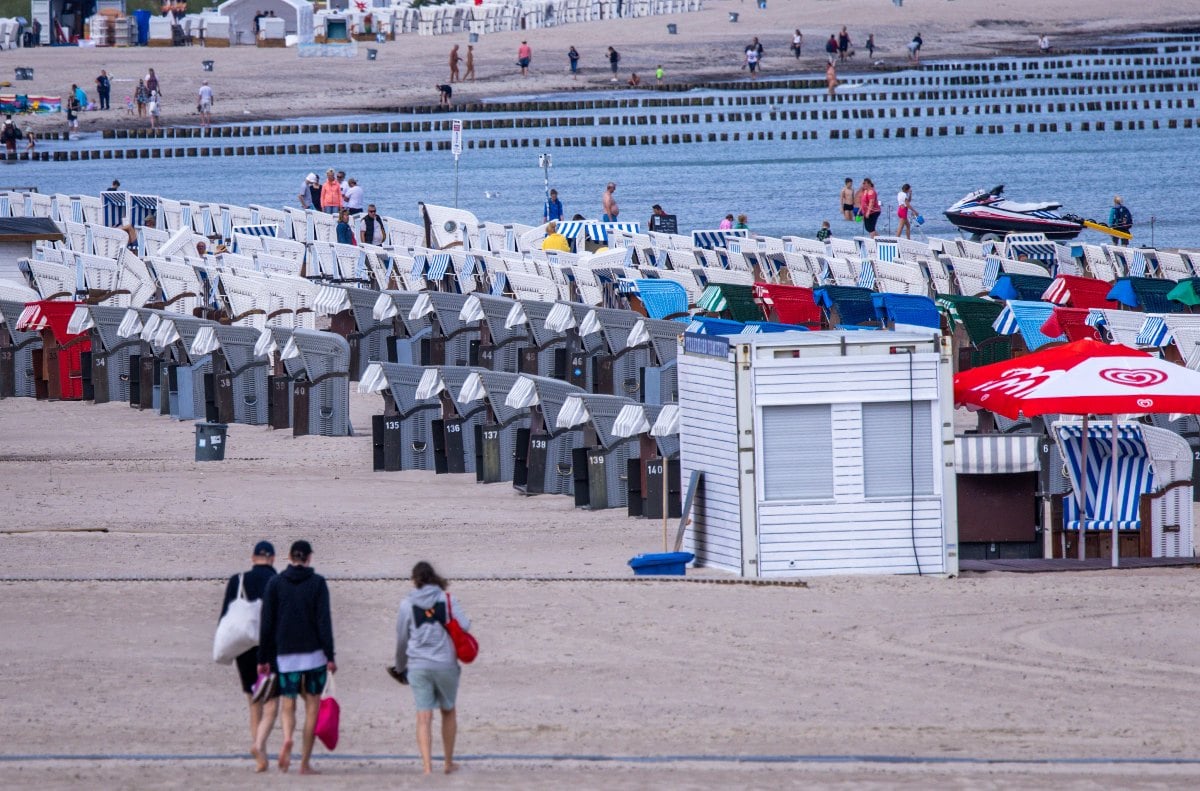
The state also has a higher proportion of AfD voters than Germany overall, with about 35 percent of votes going to the far-right party in the past election.
Now the state's chapter of the German Hotel and Restaurant Association (Dehoga) says business owners are reporting large numbers of cancellations.
According to one report, some guests specifically cite AfD support in the region as the reason for their change of plans. Comments by tourists online mention concerns about the political climate - some suggest they feel uncomfortable about visiting with dark-skinned partners.
READ ALSO: 'A fifth of voters hate me' - How do foreigners in Germany feel about far-right surge?
MDR has also reported similar cancellations occurring in the former East Germany states of Thuringia and Saxony, which also have a high proportion of AfD voters.
Investigators probe cause of deadly train collision in Baden-Württemberg
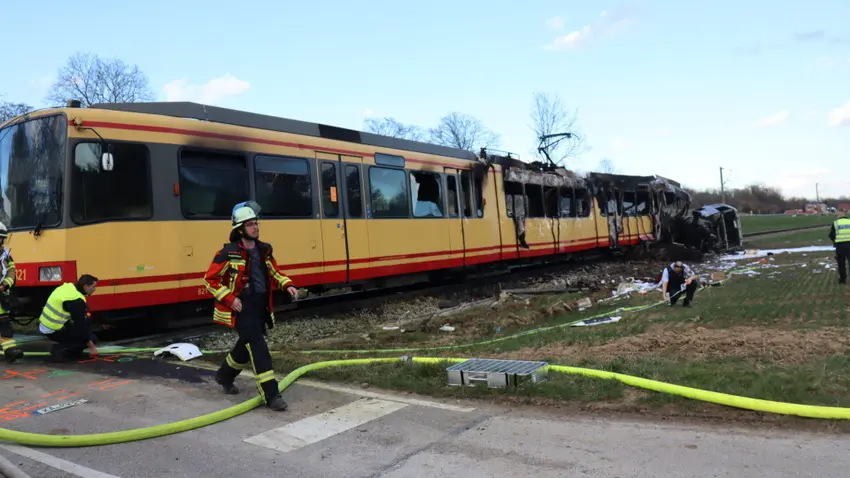
After the fatal collision between a tanker lorry and a light rail vehicle in the north of Baden-Württemberg, forensic experts are securing evidence.
Experts are to help clarify the course of the accident at an unrestricted railway crossing in the Ubstadt-Weiher district. Three people, including the 59-year-old railway driver and two passengers, were killed, according to the police.
A light rail passenger train collided with a tanker truck carrying flammable cargo at a rail crossing in Baden-Württemberg on Tuesday afternoon.
The identification of the deceased is ongoing, said a police spokesman. Even during the night, the two dead passengers had not been conclusively identified.
The collision occured after 2 pm near the town of Zeutern. By 4 pm the flames were under control and regional smoke warnings were removed.
According to the Albtal-Verkehrs-Gesellschaft (AVG), the railway lines S31 and S32 will remain closed between Zeutern and Odenheim for the next few days.
CDU and SPD open to compromise with Greens on debt bill
In an effort to get the Greens to support their a multi-billion-euro finance package for defence and infrastructure, CDU and SPD leaders have signalled a willingness to compromise.
Representatives from the two parties have said they are open to changing the definition of defence to include intelligence services and peacekeeping organisations - a proposal raised by the Greens in recent negotiations.
CDU security policy expert Roderich Kiesewetter told Handelsblatt the idea alligned with the concept of "comprehensive defense," encompassing areas such as civil protection, cyber defense, and support for Ukraine.
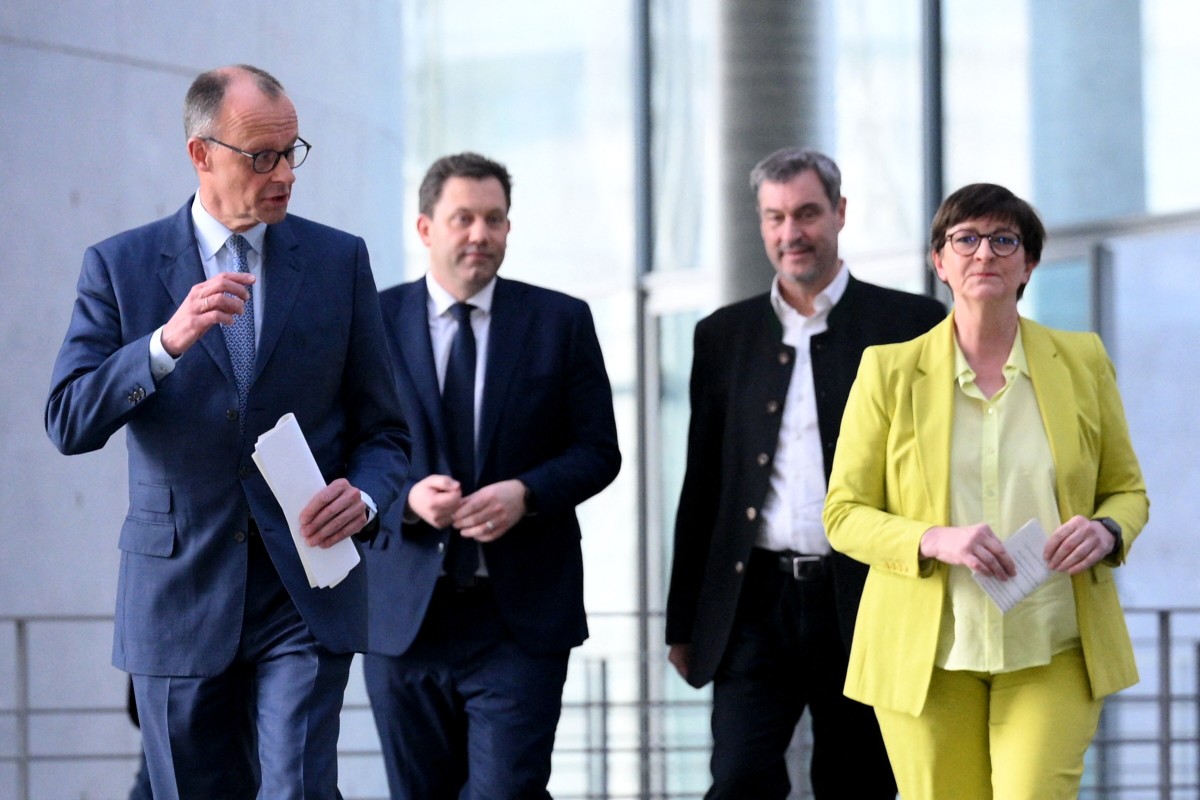
Speaking to the Rheinische Post on Tuesday, SPD parliamentary deputy Dirk Wiese also called the proposal "worthy of discussion," emphasising the importance of viewing defense beyond its narrow military sense.
READ ALSO: Germany's new debt deal and what it means for residents
Following the February 23rd elections, the CDU/CSU and SPD are currently in talks to form a governing coalition. They have already pitched plans to exempt defence spending from caps on borrowing and set up a €500 billion fund for infrastructure over the next ten years.
However, the parties are relying on the support of the Greens in order to reach the necessary two-thirds majority in the Bundestag. Their plans have also been beset by a number of legal challenges.
With reporting by Imogen Goodman and DPA.
Comments