
Two day transportation strike begins in Berlin
A two day strike by BVG workers in Berlin started early Thursday morning and is set to continue for 48 hours.
During the strike U-Bahns and trams will not be running, nor will most of the city buses.
The Verdi trade union has called for a series of escalating 'warning strikes' for BVG employees, who are demanding a significant wage increase of at least €350 more per month for most workers.
The strike is set to be further expanded on Friday when local transport workers are set to walk off the job at locations in six states, including: Baden-Württemberg, Bremen, Hesse, Lower Saxony, North Rhine-Westphalia and Rhineland-Palatinate.
READ ALSO: Six German states to see public transport strikes on Friday
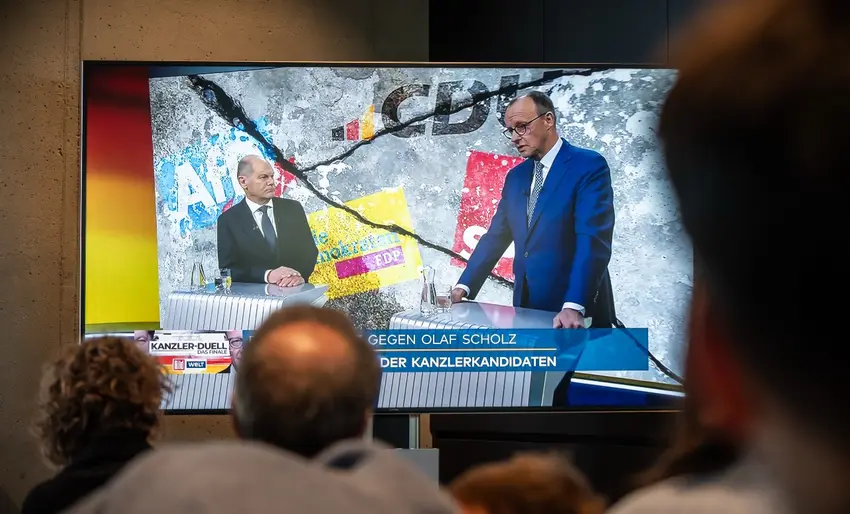
Merz vows tough migrant policy in final debate
Conservative election frontrunner Friedrich Merz on Wednesday evening called on voters to give him a strong mandate to restrict immigration and rebuild the economy to ward off the rise of the far-right AfD.
In a final head-to-head TV debate with centre-left Chancellor Olaf Scholz before Sunday's general election, Merz warned that it's the last chance to halt the surge of the Alternative for Germany party.
"In the next four years we must solve two big problems for this country: migration and the economy," Merz said, warning that otherwise "we will definitively slide into right-wing populism".
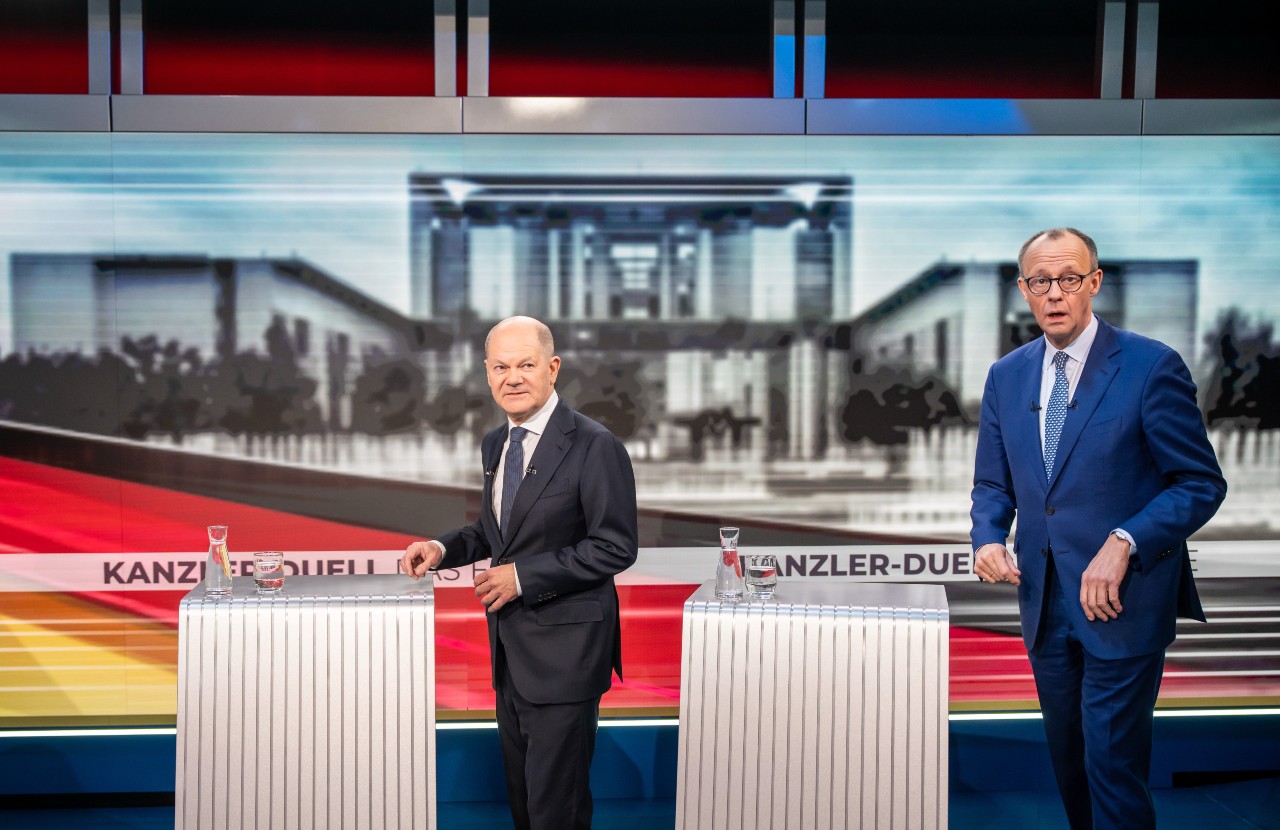
Scholz said that if re-elected he would continue efforts to deport foreign criminals but also said deadly attacks such as a car-ramming last week in Munich must not be allowed to "divide society".
READ ALSO: Germany’s Merz vows tough migrant policy to stall AfD’s rise
The debate ended on a lighter note between the election rivals when the moderator asked Scholz if he would be comfortable stepping aboard a plane flown by Merz, a hobby pilot.
The chancellor said he would, adding drily: "I assume he deserved to get his pilot's license."
Trump calling Zelensky a dictator is 'wrong and dangerous', says Scholz
German Chancellor Olaf Scholz said on Wednesday that it was "wrong and dangerous" of US President Donald Trump to call Ukrainian leader Volodymyr Zelensky a "dictator".
"What is correct is that Volodymyr Zelensky is the elected head of state of Ukraine," Scholz told the Spiegel news site.
Earlier on Wednesday Trump called Zelensky "a dictator without elections".
Zelensky's five-year term ended last year but Ukrainian law does not require elections during wartime.
Scholz condemned any attempt "to deny President Zelensky democratic legitimacy".
Earlier on Wednesday, Foreign Minister Annalena Baerbock also attempted to rebuff statements by Trump that appeared to place responsibility for the war at the feet of Ukraine.
READ ALSO: EXPLAINED - How the US is turning away from its ally Germany
"No one but Putin started or wanted this war in the heart of Europe," said Baerbock in a statement, adding that "we are working with all our might to further strengthen Ukraine".
The statement stood in stark contrast to US President Donald Trump's recent claim that Kyiv had "started" the fighting.
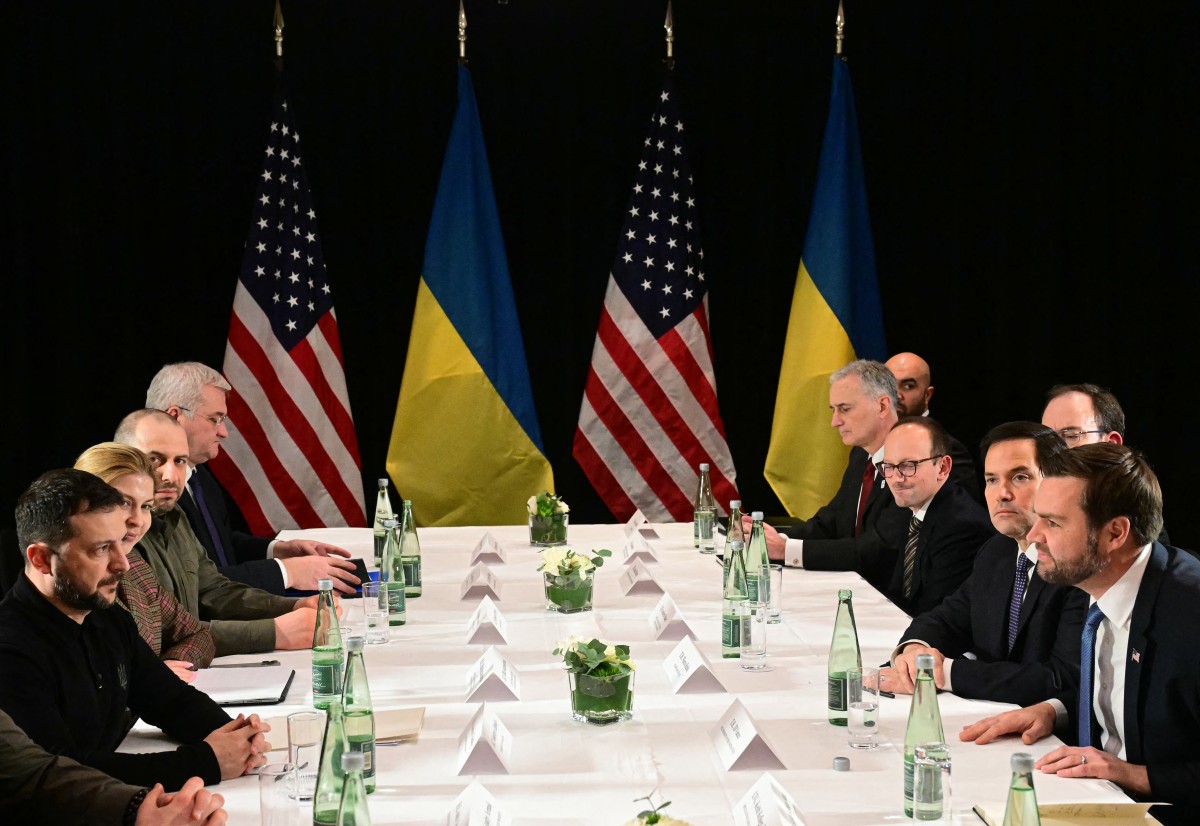
In response to recent talks between the US and Russia (without Ukraine) about a potential end to the war, the Foreign Minister said that a "false peace...would only give Russia a respite for new military campaigns".
Regarding the fast-moving events since Trump spoke directly with Putin about ending the conflict, she said that "we must not allow ourselves to be confused" and "keep a cool head".
Downplaying Europe's role on Ukraine "only plays into the hands" of Russia, she said.
"I therefore advocate acting confidently towards the US administration."
Authorities investigate major donation to AfD campaign
At the beginning of the month, the far right Alternative for Germany (AfD) reported a campaign donation amounting to almost €2.35 million.
The party said the donation came from Gerhard Dingler, an Austrian citizen, but reports by Der Spiegel, ZDF and the Standard suggest that the donation could have come from an unknown third party, a so-called 'straw man'.
German political parties are required to report donations over €35,000, and they are forbidden from accepting donations from unnamed third parties.
Parties that violate these donation regulations face hefty fines. In the past, the AfD has already paid such fines several times for illegally received donations.
Austria's Financial Market Authority (FMA) is investigating the case, the authority's spokesman told the DPA.
The AfD rejects the reports.
"I offer full transparency and cooperation to any investigating authorities," said treasurer Carsten Hütter.
READ ALSO: How fake social media accounts are spreading disinformation ahead of German election
Trump auto tariff threat prompts pushback in Germany
Germany's car lobby on Wednesday warned that tariffs threatened by US President Donald Trump would raise prices for American drivers after Trump said he might hike taxes on imports of cars, pharmaceuticals and semiconductors.
Speaking at his Mar-a-Lago resort in Florida on Tuesday, Trump told reporters that tariffs on the automobile industry will "be in the neighbourhood of 25 percent", with specifics to come around April 2nd.
He recently pledged an extra 10 percent duties on all goods coming from China, and 25 percent on steel and aluminium imports.
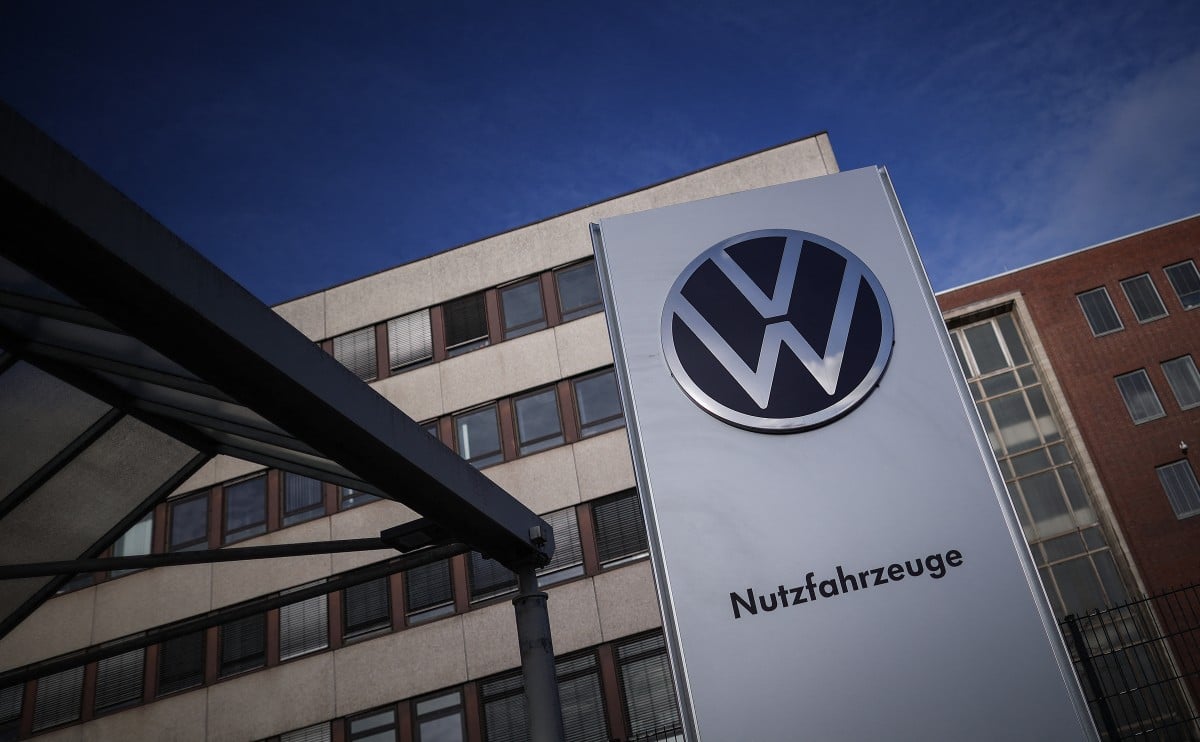
The German VDA auto lobby on Wednesday described Trump's announcement as a "provocation" and warned that tariffs could rebound on the United States.
"Further tariffs would directly hit the American economy and make products for US consumers more expensive," said VDA chief Hildegard Müller.
READ ALSO: What do Trump's steel and aluminium tariffs mean for Germany?
"Tariffs as a negotiating instrument are the wrong tool. The risk of a global trade war with negative consequences for the world economy is high," Müller added.
With reporting by Imogen Goodman, DPA and AFP
Comments