
In the run-up to the federal elections, we've been asking readers of The Local to submit their burning questions about Germany's political system.
From the future of the dual citizenship law to the rise of the AfD, some have been wondering what could happen after February, while others have posed questions about the act of voting itself.
"I know it sounds simple, but what do I do when I go to vote?", Local reader Jonathan wanted to know. "Who do I show my ID to? Is it an electronic or paper ballot? Do I cross a box or fill a line? If the ballet is paper, who do I give it to when I am done?"
Questions like these are likely to be on your mind if you're voting for the first time in Germany. Alongside mulling over which of the parties to vote for, you may be preoccupied with getting to the right place at the right time and following all those strict electoral rules.
To quell the anxiety, here's our step by step guide to getting your vote counted on election day.
Step one: Planning to vote
So you've naturalised as German and got all your new ID documents? Congratulations! That means you're finally able to take part in the democratic process and have a say in Germany's future.
You may have read some party manifestos and some of our election explainers, nodded in agreement at some policies you liked and got riled up about those you don't. But how do you make your voice heard on election day? The first thing to do is to make a plan.
Luckily, elections in Germany take place on a Sunday - in this case, February 23rd - which means most of the country has time off work in order to go and vote. Nevertheless, you may want to decide in advance what time you'll head to the polling station, in order to avoid double-booking yourself or accidentally arriving too late.
READ ALSO: How new German citizens can vote in upcoming elections
If you're wondering where to go to vote, check out your voter registration confirmation (Wahlbenachrichtigung), which should have been sent to you by post. This will tell you the address of your local polling station.
If you haven't received your voting confirmation yet, contact your local Bürgeramt as soon as possible and ask them to issue one for you.
Step two: Getting to the polling station
On election day itself, you'll need to pack your voting confirmation, dig out some ID, and make your way to your local polling station.
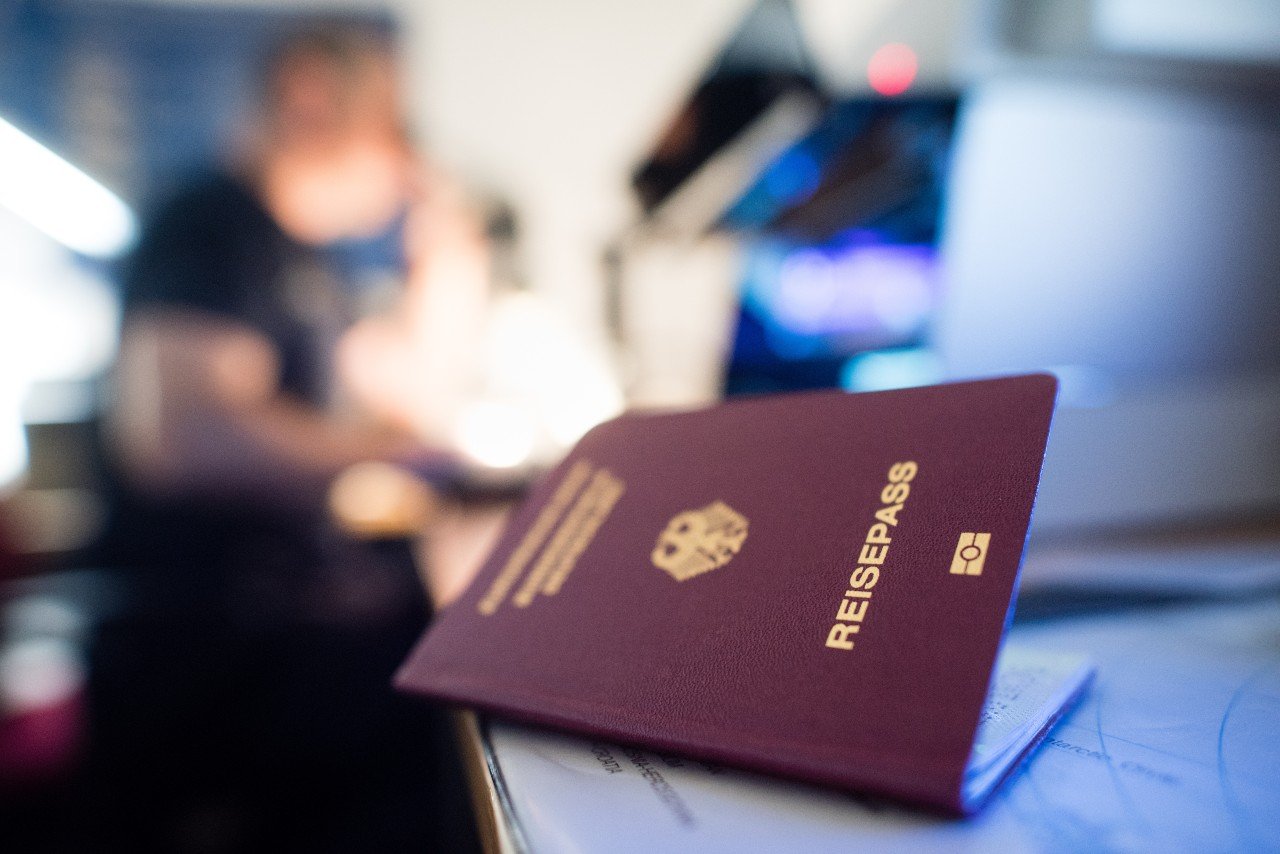
As identification, you'll either need a government-issued German ID card (Personalausweis) or your German passport (Reisepass) - whichever you have to hand.
If you've only just naturalised and haven't received your passport or ID card yet, the authorities may be able to issue you an emergency form of identification instead.
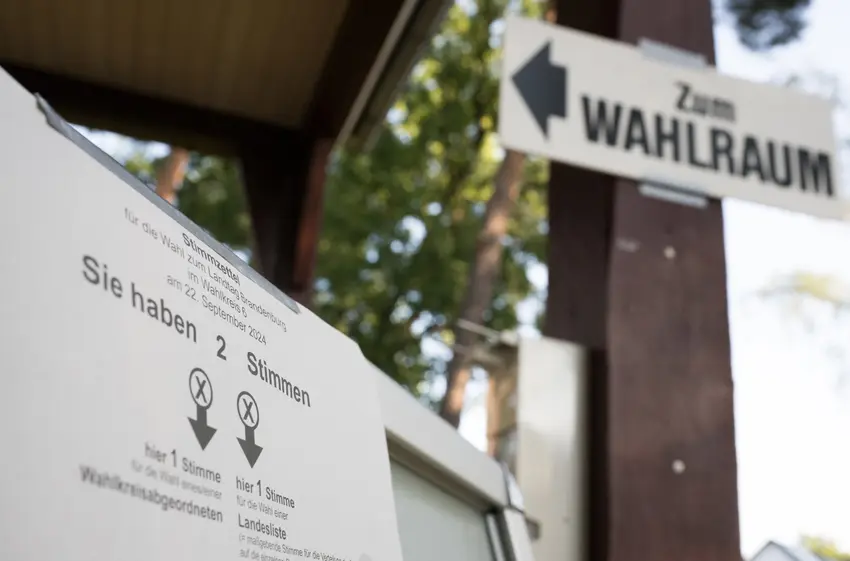
Polling stations - or Wahllokale - can be anywhere from a local school to an elderly person's care home, but they are generally within easy walking distance from your home. This is to make voting as accessible as possible and avoid long waiting times at the polling station.
Nevertheless, be sure to make it there between the hours of 8am and 6pm to ensure you are allowed in and are able to vote. In some cases, there may be short queues, so turning up at 5:55pm isn't advisable.
READ ALSO: Why around 10 million people in Germany can't vote in the election
Step three: Obtaining a ballot
Turning up to the polling station may feel a bit nerve-wracking, but there will always be plenty of people there to help. In fact, these Wahlhelfer(-innen), or election helpers, will be your first port of call when you arrive and are the people who will give you your ballot.
Once you've cleared any queues, head to the registration desk and speak to anyone who happens to be available. At this point, you may want to politely state, "Ich möchte bitte wählen" (I'd like to vote please) and hand out your identification and voting slip.
At this point, the election helper will cross-reference your voting confirmation to make sure you are on the register and examine your ID to make sure it's valid.
Once they've done this, you'll be handed your ballot and be directed to a polling booth where you will be able to cast your vote.
Step four: Filling in your ballot
Citizens of some foreign countries like the US may be used to casting a vote on electronic voting machines, but this is Germany, so filling in your ballot is an entirely analogue process.
In the voting booth, which should be private, you'll find pens or pencils for casting your vote.
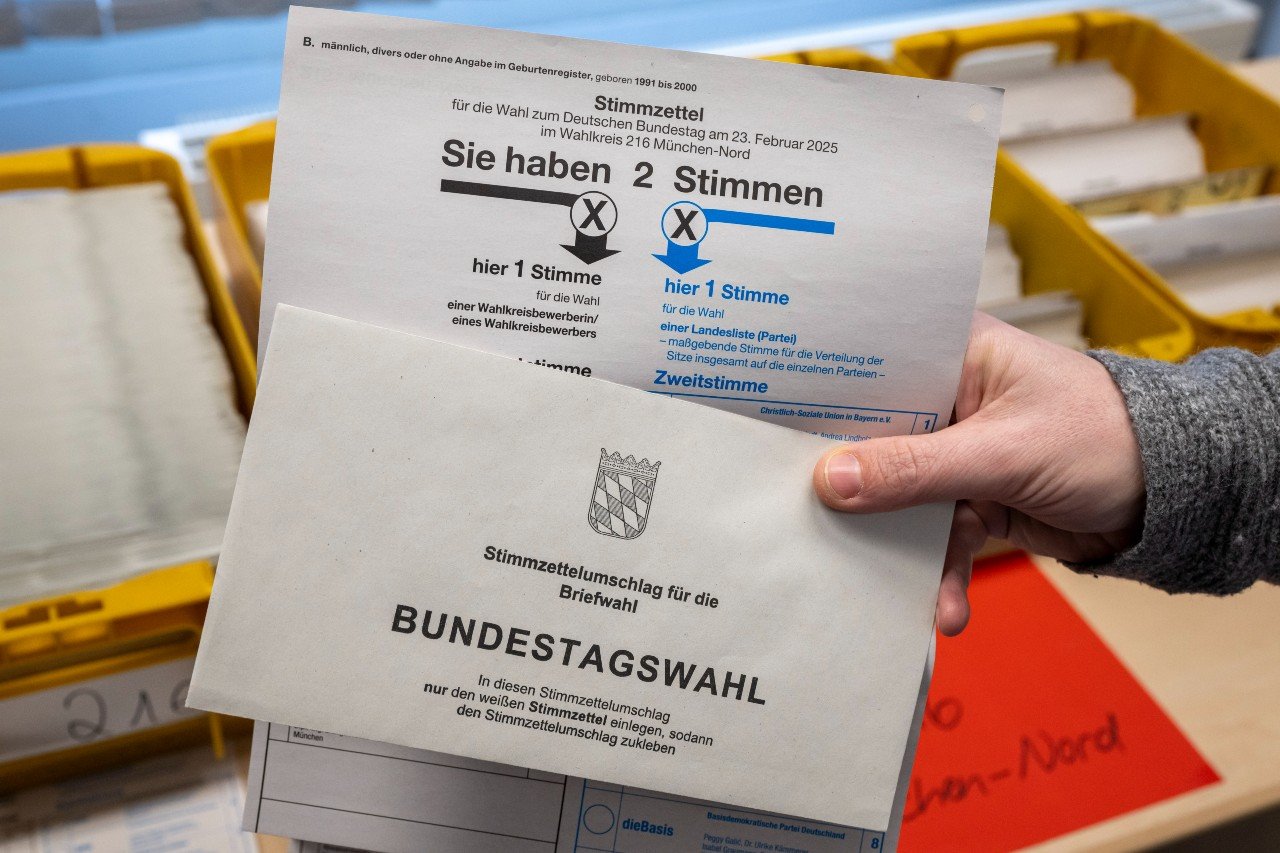
Your ballot will ask for two votes: the first vote (Erststimme) and the second vote (Zweitstimme). With the first vote, you can pick a specific candidate for your local constituency, and for the second, you can vote for a particular party.
To understand how these votes will be counted, check out our explainer on the German electoral system here:
What foreigners in Germany should know about the voting system
In order to vote correctly, place an 'X' next to the candidate you prefer and then a further 'X' next to the party you prefer. Nothing else should be marked or written on your ballot, or it will become a so-called 'spoilt ballot' and be deemed invalid.
Step five: Casting your vote
Once you've filled in your ballot, you'll need to fold it to ensure nobody can see how you've cast your vote. The right to secrecy and anonymity is an important principle of Germany's electoral system, as this protects voters from external pressure or coercion when to deciding who to vote for.
To complete the process, look out for a ballot box - known as a Wahlurne in German - and pop your folded ballot slip in the slit at the top.
Once this is done, you've officially cast your first vote as a German citizen, so be sure to enjoy some Kaffee und Kuchen or a delicious German beer to celebrate.
All you can do now is wait for the exit polls and official election results to trickle in, and then brace yourself to hear about weeks of gruelling coalition negotiations.
READ ALSO: Which coalition governments are most likely after Germany's election?
Anything else I need to know?
If you mislay your voting confirmation a few days before the election, don't panic: you should still be able to vote without it, but you will definitely need to bring valid German ID to the polling station.
People who need extra support in voting will be able to take a helper along with them, but should still cast their vote according to their own preferences.
For anyone unable to vote in person on the 23rd, postal votes are possible. The necessary documents should be included along with the voting confirmation that eligible voters receive in the post.
Useful vocabulary:
polling station - (das) Wahllokal
voting confirmation - (die) Wahlbenachrichtigung
eligible voters - (die) Wahlberichtigte
election helpers - (die) Wahlhelfer / Wahlhelferinnen
ballot - (der) Stimmzettel
first and second vote - (die) Erst- und Zweitstimme
voting booth - (die) Wahlkabine
ballot box - (die) Wahlurne
 Rachel Loxton

Comments (2)