
Inside Germany is our weekly look at some of the news, talking points and gossip in Germany that you might've missed. It’s published each Saturday and members can receive it directly to their inbox by going to their newsletter preferences or adding their email to the sign-up box in this article.
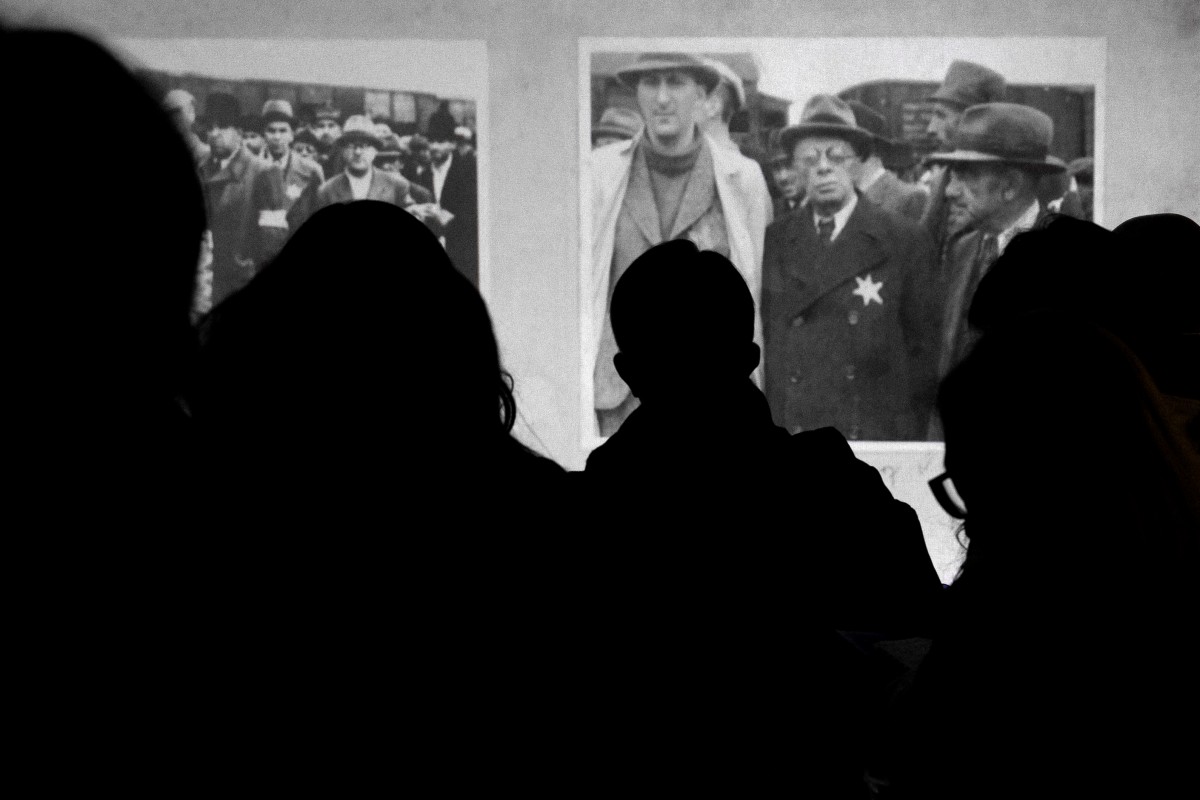
Remembering Auschwitz and the victims of the Nazis
Monday, January 27th marks 80 years since the liberation of the Nazi concentration and death camp Auschwitz-Birkenau.
Auschwitz has become a symbol of the Holocaust murders of six million European Jews, one million of whom died at the site between 1940 and 1945, along with more than 100,000 non-Jews.
In the run up to the anniversary, which is also Holocaust Memorial Day, we've been hearing from remarkable individuals who were imprisoned in the camps set up across Europe by Nazi Germany.
People such as Albrecht Weinberg, who made the journey back to his German hometown more than 60 years after he survived Auschwitz and took shelter in the United States.
Weinberg, who turns 100 on March 7th, did not even want to speak about Germany and his hometown of Leer near the Dutch border because of the horrific experiences he saw during the war and at Auschwitz, where most of his family were murdered, including his parents.
But he eventually moved back to Germany with his sister to settle in Leer. Weinberg is now able to open up and teaches people about the horrors of the Nazis.
The stories from those who survived being targeted by the Nazi regime are all the more important as time passes.
READ ALSO: 'How did the world allow Auschwitz?' - Nazi death camp survivors speak out
A new survey released this week found that younger generations have gaps in their knowledge about the Holocaust.
The Jewish Claims Conference found that around 40 percent of 18 to 29-year-olds in Germany stated that they did not know that around six million Jews were murdered during the Nazi era, with 15 percent believing it was less than two million.
Meanwhile, two percent of Germans surveyed were of the opinion that the Holocaust did not take place at all.
Chancellor Olaf Scholz reminded Germans this week about their responsibility at an event marking the anniversary of the liberation of Auschwitz.
"Every single person in our country bears responsibility, regardless of their own family history, regardless of the religion or birthplace of their parents or grandparents," he said.
"We must not and will not accept any relativisation. And we will also remind each new generation of its ongoing responsibility."
The long and winding road to citizenship
This week we started publishing a series of articles on how authorities are dealing with German citizenship applications.
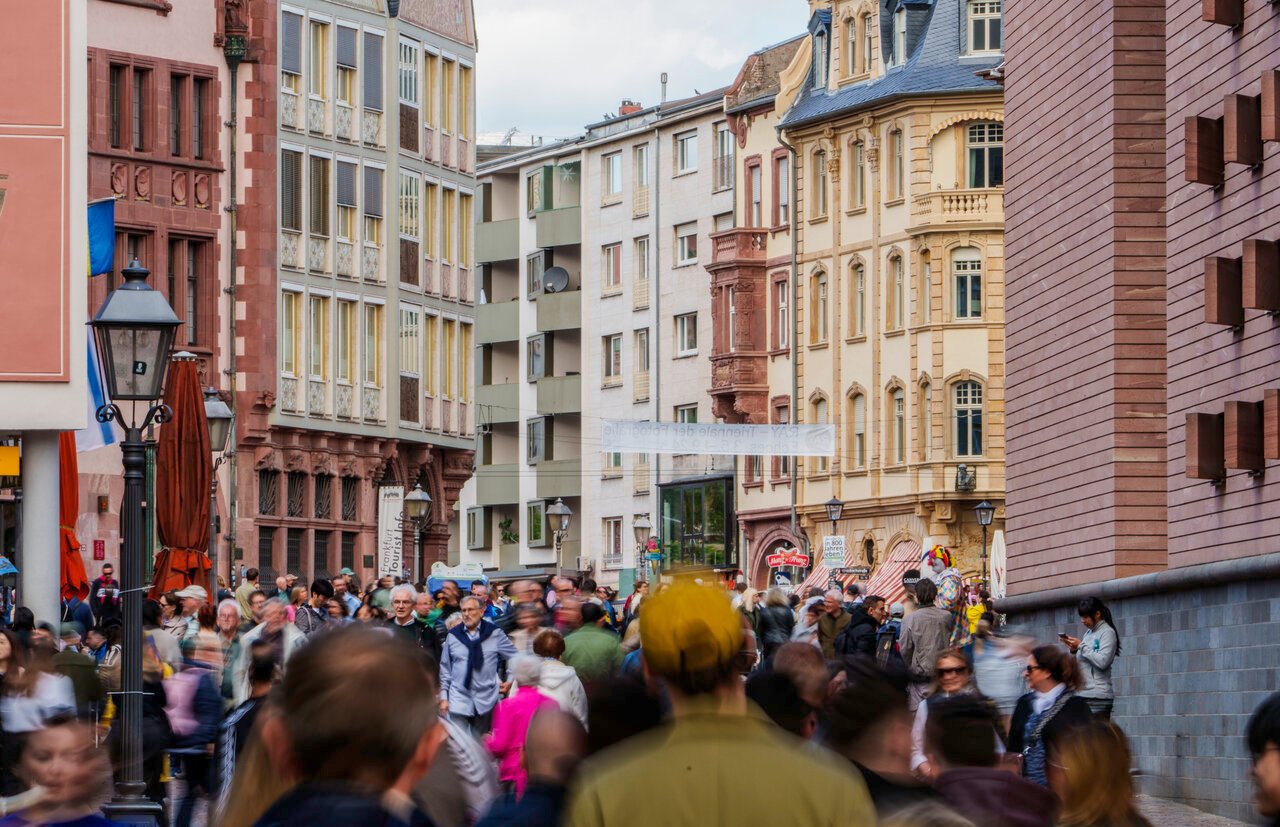
After reaching out to several of Germany's cities, we (sadly) have to give the crown for the longest naturalisation waiting times to... Frankfurt.
Foreign residents living in the financial hub have to wait up to two and half years to get their hands on a naturalisation certificate.
According to the state of Hesse, 40,300 applications were received in 2024, while around 24,700 were approved. Of these, 9,607 applications came from Frankfurt residents, and 3,780 of these were approved.
There are currently 36,000 applications waiting to be processed in the state of Hesse as a whole, and waiting times of around 16-20 months are to be expected.
Other cities with long waiting times include Munich and Stuttgart, each with an average wait of one and a half years.
READ MORE: Which German cities have the longest waiting times for German citizenship?
Germans react to questionable hand gesture
This week there was much debate (and shock) over a certain hand gesture - that many said was a Nazi salute - displayed to the world during US President Donald Trump's inauguration events.
As we wrote in our article on the rules on showing Nazi salutes in Germany, many Germans were concerned by the display.
One publication in particular took a strong stance.
Die Zeit, a prominent German publication, titles its article: 'A Hitler salute is a Hitler salute is a Hitler salute.'
— Taniel (@taniel.bsky.social) 21 January 2025 at 18:23
[image or embed]
Berlin prepares for transport strike
People travelling around in the German capital on Monday will face difficulties as a strike involving workers at BVG takes place.
Most buses, trams, and U-Bahn services will come to a standstill during the industrial action, which will end at 3am on Tuesday.
Keep in mind that you will be able to use the S-Bahn and regional trains because they are not affected by the strike.
READ ALSO: How to get around Berlin during Monday's public transport strike
Comments