
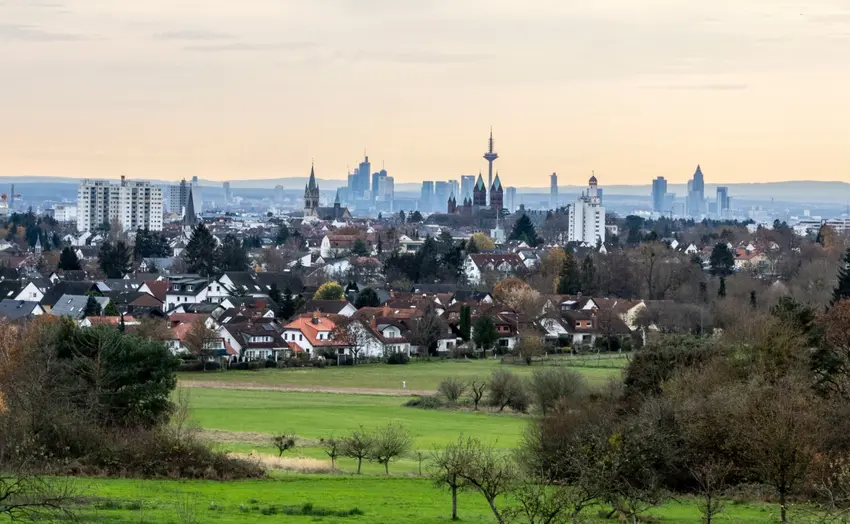
Germany has its sights set to on attracting foreign workers to the country, and one of the key moves it has made has been easing up its citizenship rules.
But with staff in citizenship offices often struggling to keep up with the level of demand, it's not uncommon for foreigners in German cities to have to wait several months before receiving their citizenship, with the entire process sometimes taking years from start to finish.
The Local recently conducted a survey of citizenship offices in major cities to determine the current waiting times and backlogs in applications.
All of them reported a big spike in application numbers in recent years, as well as an uptick in interest since the introduction of Germany's dual citizenship law. This new law, which was introduced in June last year, drastically cuts the residence requirements for citizenship and permits the holding of multiple nationalities, as well as easing rules for the guest-worker generation.
READ ALSO:
- Will Germany's dual citizenship law remain after new elections?
- What do I need to apply for German citizenship under the new law?
Despite efforts to digitalise and streamline processes in some cities, most of the authorities said they were overwhelmed with applications and struggling to keep up. In some cases, the problems seem to be a long-term issue.
As a rule, larger cities tended to have longer processing times than medium-sized cities, with major metropoles like Frankfurt and Munich topping the list. Here's an overview of the waiting times in each of the cities we surveyed.
1. Frankfurt (26 - 30 months)
In the financial capital of Frankfurt, foreigners hoping to naturalise as Germans face gruelling wait times of up to two and a half years in total - the longest of any of the German cities.
Initial enquiries about citizenship are handled by the Frankfurt Standesamt, which screens applications over the phone. At present, the waiting time for a phone appointment is around 10 months - meaning applicants face a wait of almost a year before they can even submit their application.
Once this screening call has taken place and an application has been submitted, this is passed on to a central office in Darmstadt to be processed. According to the state of Hesse, 40,300 applications were received in 2024, while around 24,700 were approved. Of these, 9,607 applications came from Frankfurt residents, and 3,780 of these were approved.
There are currently 36,000 applications waiting to be processed in the state as a whole, and waiting times of around 16-20 months are to be expected.
READ ALSO: Is Frankfurt a good place for foreigners to live?
2. Munich (18 months)
Despite the availability of digital screening and online applications in Bavaria, its capital Munich still has one of the largest backlogs - and longest processing times - in the country.
According to the district administration office (KVR), which handles applications, 18,661 naturalisation applications were submitted in 2024. Meanwhile, only around a third of this number - 6,443 - were completed that year.
Currently, the number of unprocessed applications stands at around 27,123, and foreigners can expect to wait around a year and a half to get their invite to a naturalisation ceremony.
3. Stuttgart (18 months)
Alongside Munich, another major southern city - the Baden-Württemberg capital of Stuttgart - is also struggling to keep up with an influx of applications at present.
As of late 2022, around 162,000 foreigners lived in Stuttgart, and it seems that a steady stream of those have been hoping to naturalise in recent years. Last year, the city received 5,421 applications for citizenship, with the majority of these coming from Syria, Turkey, Iraq, Ukraine and Russia.
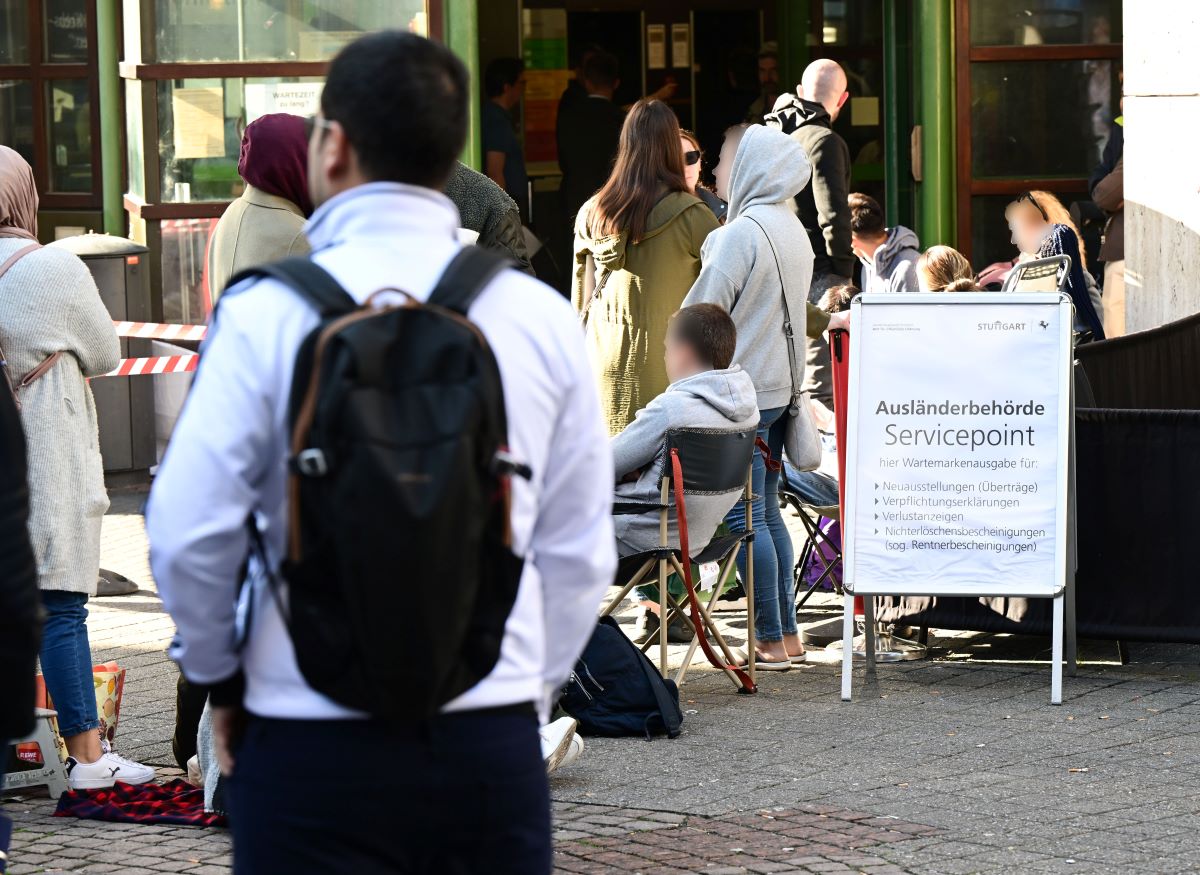
According to a city spokesperson, naturalisation authorities were able to process less than half of the applications submitted last year, with just 2,494 applications gaining approval. In total, the city is attempting to clear a backlog of around 8,000 applications, and waiting times of 18 months are currently to be expected.
READ ALSO: Stuttgart's immigration office blasted for 'unbearable' conditions
4. Dortmund (17–22 months)
Though relatively small Dortmund gets several thousand applications for naturalisation per year, the authorities seem to have developed a system that allows them to keep up with demand. In 2024, for example, authorities received 4,903 applications, with 4,031 approved.
According to a spokesperson, the west German city has recently introduced a efficient pre-screening mechanism and a waitlist for new applicants, which allows them to take on the applications that can be processed most quickly.
Average processing times after submission can be as little as 4-6 months in the case of complete and error-free applications, while most applications are processed within 6-9 months.
However, there does seem to be an element of fiddling the statistics here, as the 'pre-screening' process and waiting list currently involve wait times of around 13 months. Altogether, that results in waiting times of around 17-22 months.
5. Cologne (12–20 months)
Cologne's naturalisation office hit the headlines last year when authorities announced that they would stop accepting applications in order to help them cope with the backlogs. At the time, around 8,000 people were waiting for an initial appointment, and all available screening appointments were booked up until the end of the year.
READ ALSO: Cologne stops accepting citizenship applications due to 'enormous' backlog
In 2024, the authorities received and reviewed 4,300 applications, while 3,400 applications were approved. In addition, the office has around 12,000 postal items and emails with applications that have neither been reviewed nor finalised, and 7,300 applications that are currently being processed.
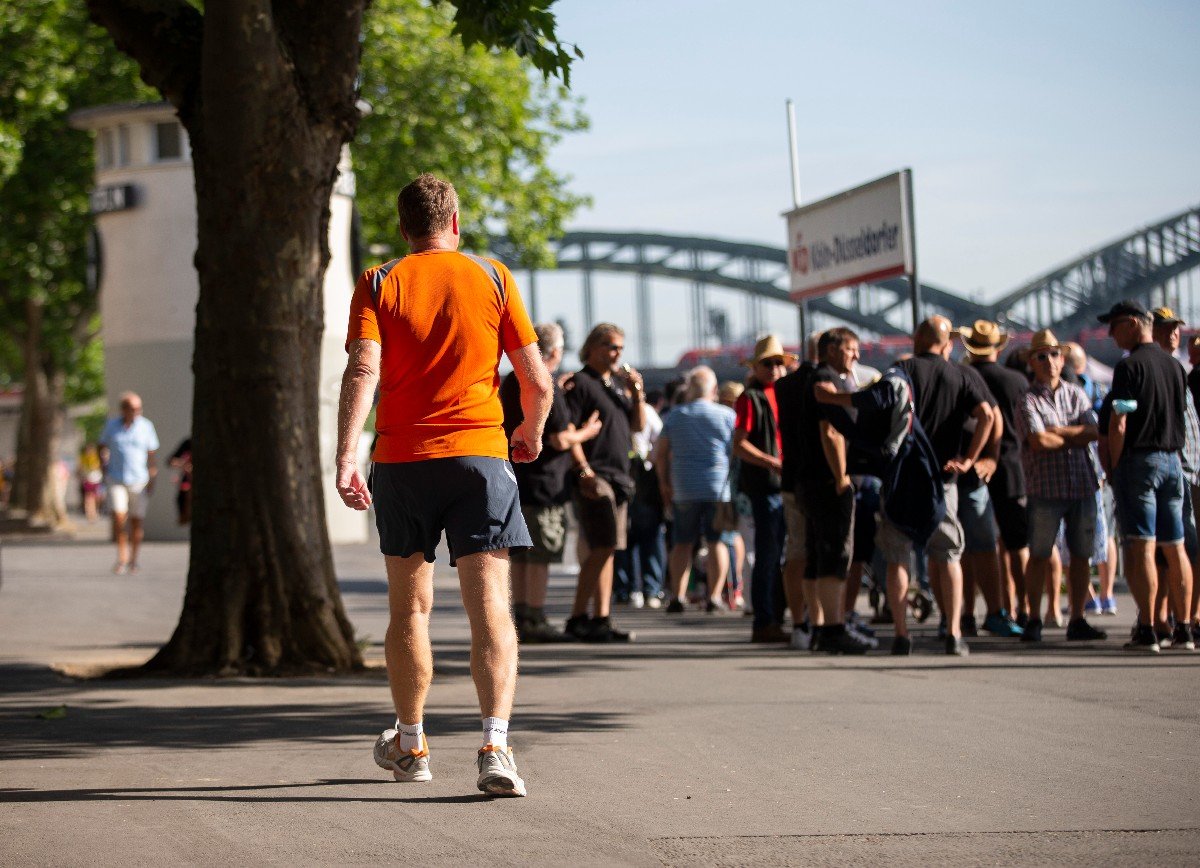
To speed things along, the North-Rhine Westphalian city has more than doubled the number of staff working on naturalisations in recent months, and has also taken steps to streamline its processes, according to a spokesperson. Nevertheless, since the number of applications has tripled in recent months, applicants in Cologne are still facing waits of between one and two years.
This is largely because the wait time for an initial screening appointment is currently around 12 months, while applications take around eight months to be processed after they are submitted.
6. Essen (12–18 months)
Despite being a mid-sized city, authorities in Essen are currently struggling to process a sharp increase in naturalisation applications.
In 2024, the city received 3,556 applications and managed to approve just 2,548 of these, with 6,748 old and newer applications still pending.
According to a spokesperson, the average waiting time from submitting an application to receiving German citizenship varies from 12 months to one and a half years.
However, for those looking to naturalise in Essen, there is one important hack to know: the city prioritises online applications over paper ones, meaning these can often be wrapped up in just four to six months.
7. Hamburg (13 months)
In the Hanseatic city of Hamburg, the naturalisation office processes a considerable number of applications annually - which makes sense if you consider that the city is home to around 400,000 foreigners.
Last year, authorities in Hamburg were flooded with around 19,771 applications but were only able to process around half of this number: 9,599. This mismatch between demand and capacity means the city still faces a backlog of around 30,895 applications.
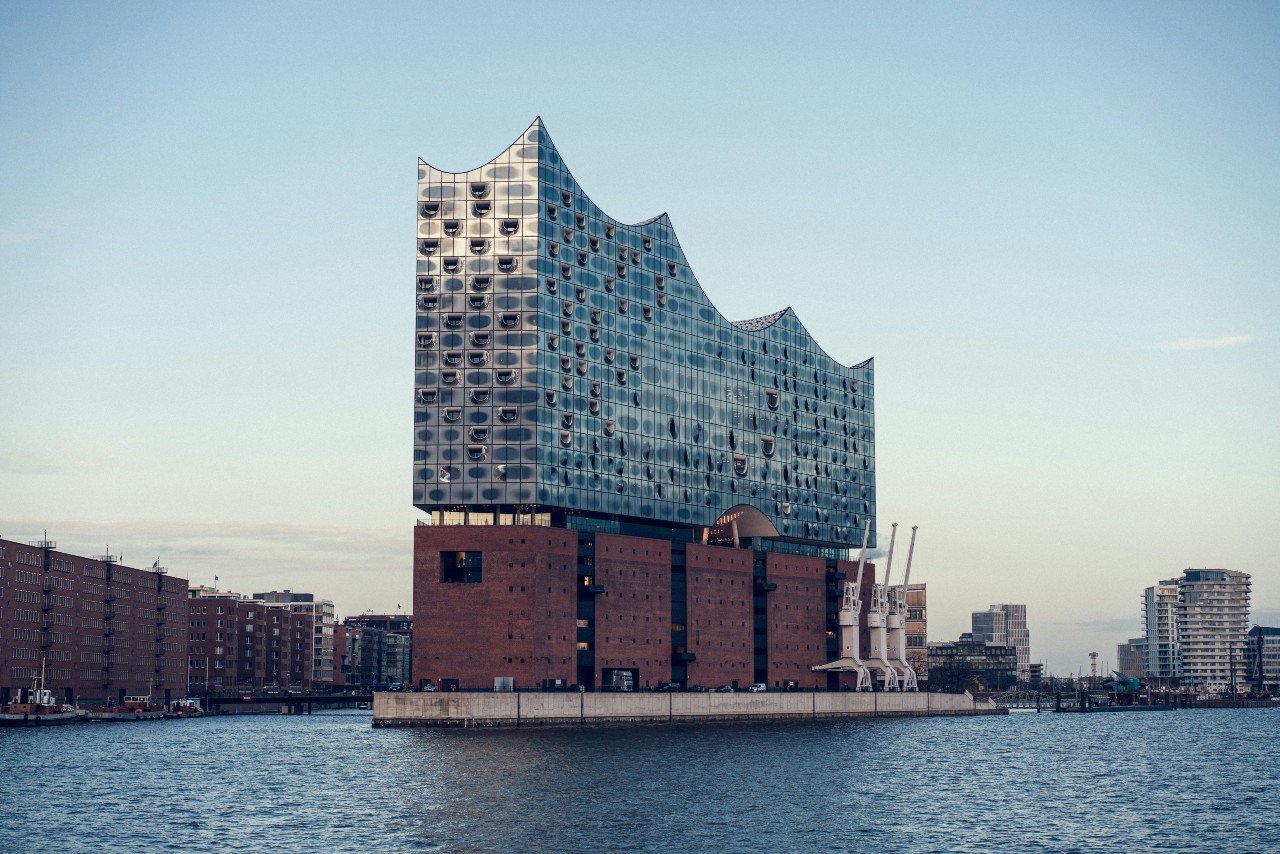
Nevertheless, the city's efficient structures and online application system mean that waiting times are kept stable at around 13 months.
READ ALSO: How Hamburg is dealing with surge of German citizenship applications
8. Leipzig (6–9 months)
Thanks to a relatively small foreigner population and fewer overall applications, the Saxon city of Leipzig stands out as one of the cities with the fastest processing times. However, backlogs still exist even here.
In 2024, the city received 1,023 applications, but the majority of approvals (1,578) were from clearing older cases. According to a spokesperson, the city is currently processing applications submitted in early 2022, meaning newer applications remain on the backburner.
However, if candidates are well prepared and submit complete and error-free applications, they can move through the process in as little as six months.
9. Dusseldorf (More than 9 months)
Around 167,000 people currently live in the North Rhine-Westphalian city of Dusseldorf without a German passport. Of this number, thousands of people submit an application for naturalisation every year.
In 2024, the city received 6,640 applications and managed to approve 4,223 in total. That said, a recent spike in applications from Syrian refugees and following the new citizenship law have left authorities struggling to keep up, and around 8,000 applications currently remain on the backburner.
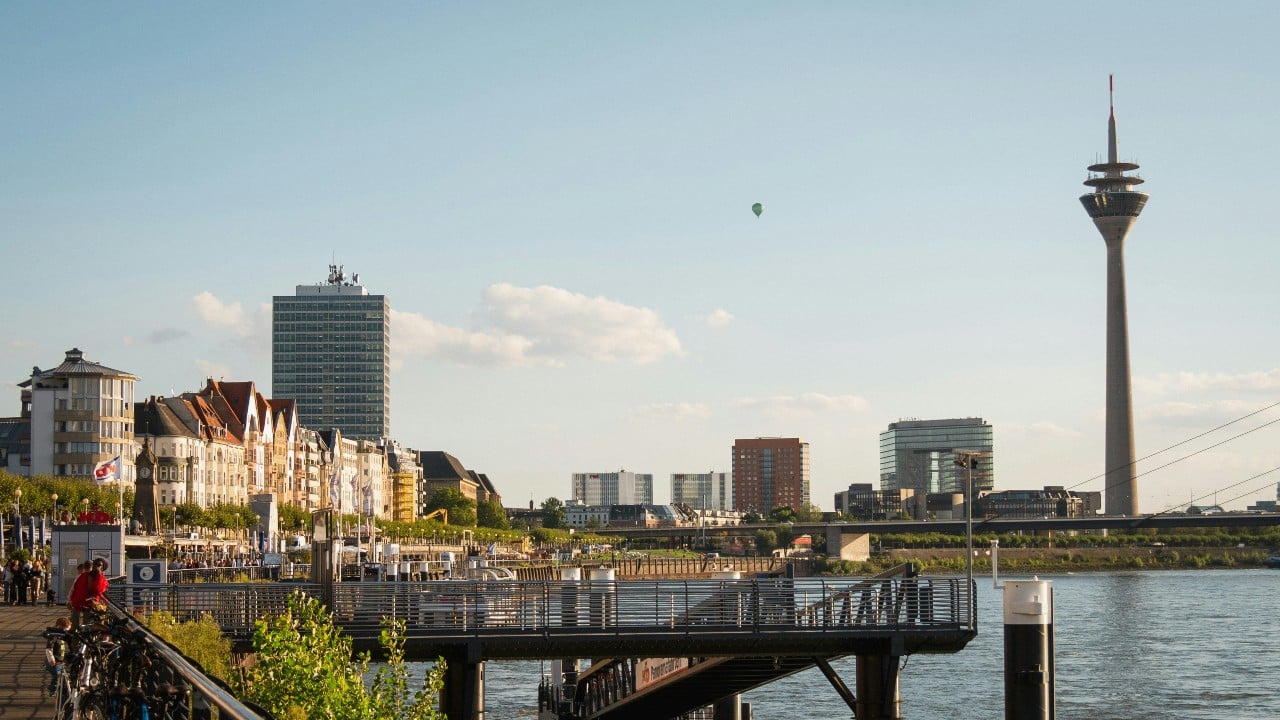
According to a spokesperson for Dusseldorf naturalisation office, the waiting time for an initial screening call is currently around nine months, while processing times vary depending on the complexity of the case and how well the application is submitted.
10. Berlin (Case dependent)
Berlin used to be notorious for its eye-wateringly long waiting times for naturalisation, but recently the news has been a little more mixed.
At the start of 2024, the German capital opened a brand new centralised office for naturalisation at the immigration office (LEA) and digitalised both its screening and its application processes, while also upping its staff and capacity.
This has turbo-charged processing times for citizenship, with the LEA approving an astounding 21,802 applications for naturalisation last year, compared to the 8,000 that were processed the year before.
At the same time, the capital received around 43,800 online applications in 2024, on top of a backlog of 40,000 paper applications from the pre-digitalisation years.
READ ALSO: How is Berlin's immigration office coping with its application backlog?
Though the authority has set an ambitious target of approving 40,000 applications this year, it is still far from clearing its backlogs entirely. Meanwhile, online applicants appear to be prioritised over the previous pre-digital ones, with anecdotal reports of approvals within a matter of weeks, while some paper applicants continue to wait after several years.
Comments (14)