
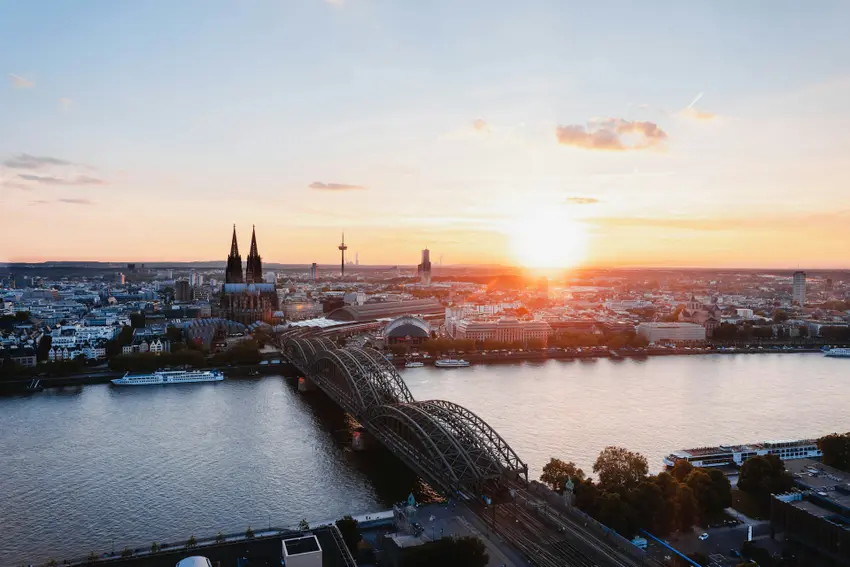
How does the process work in Cologne?
In Cologne, potential applicants for citizenship must first book a phone consultation with the naturalisation authorities. This can be done by ringing the hotline on the Stadt Köln website or sending an email enquiry.
The city also provides a link to Bavaria's online quick-check tool so applicants can see if they're eligible to apply, but no applications are accepted without completing the phone consultation.
According to authorities, appointments for this initial phone chat are currently been given out in phases for 2025, though new applicants will likely be waiting longer.
"In every naturalisation procedure, a preliminary interview is necessary, in which, for example, identity clarification, document comparison, etc. are dealt with," a spokesperson for the city told The Local.
"Every person interested in naturalisation currently waits around twelve months for this application appointment."
READ ALSO: What do I need to apply for German citizenship under the new law?
Following the consultation - and assuming they're eligible to apply - foreigners can submit their paper application to the authorities for review. This is then checked over to see if the applicant meets all the criteria for citizenship, and in the best case, the application is accepted and the applicant is given an appointment to pick up their certificate.
Otherwise, they may be asked for further information or have their application rejected.
Why did Cologne stop accepting applications?
In May last year, authorities in the cathedral city admitted they were overwhelmed by the amount of enquiries and applications they were receiving and needed time to catch up.
Applications for citizenship apparently rose sharply in 2023 due to refugees from Syria becoming eligible to apply, and the situation was exacerbated by the introduction of Germany's dual nationality law in June 2024.
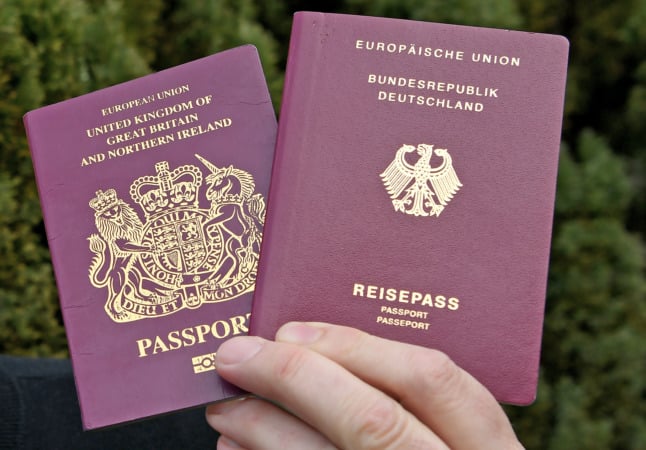
This law opens naturalisation up to more foreigners by reducing the residence requirements and also allows the holding of other citizenships alongside German.
This led to a situation where Cologne was struggling to make it through a backlog of around 8,000 applications, while also offering back-to-back consultation calls until the end of the year.
READ ALSO: Cologne stops accepting citizenship applications due to 'enormous' backlog
Explaining the move, a statement on the city website read: "For capacity reasons, we are currently unable to offer any further appointments for the submission of naturalisation applications. All available dates for 2024 have already been exhausted."
This forced the authorities to pause applications until September 2024 as a means of getting a grip on the situation.
What's been happening since the shutdown?
According to a spokesperson, Cologne has been working hard to drastically improve its capacity since the shutdown - most notably by almost tripling the number of staff working on naturalisation cases.
In addition, the naturalisation office has been trying to optimise its processes so things run as smoothly and efficiently as possible.
Nevertheless, the city is still battling serious backlogs and is expecting a tripling of application numbers following the introduction of Germany's citizenship reforms last year.
How many applications does Cologne receive and process per year?
In 2024, the authorities in Cologne received and reviewed 4,300 applications, while 3,400 applications were approved in total.
Apparently, the naturalisation office is also tackling around 12,000 letters and emails with applications that have neither been reviewed nor finalised, and has 7,300 further applications that are currently being processed.
How long does it take to get German citizenship?
Beyond the 12-month waiting period for the initial consultation period, it can take several months for an application for naturalisation to be approved in Cologne.
That said, the citizenship office recently told The Local they were aiming to reduce this waiting time to a maximum of eight months.
READ ALSO: Which German cities have the longest waiting times for citizenship?
In order to ensure applications are processed as quickly as possible, the authorities also list a number of criteria that can help move things along: "That the identity has been clarified beyond doubt, the legally required feedback from the security authorities is correct and the application documents are complete."
In other words, people who are able to prove their identity easily and submit a full, error-free application can expect an easier and quicker process than some other applicants.
Who's been submitting the most citizenship applications?
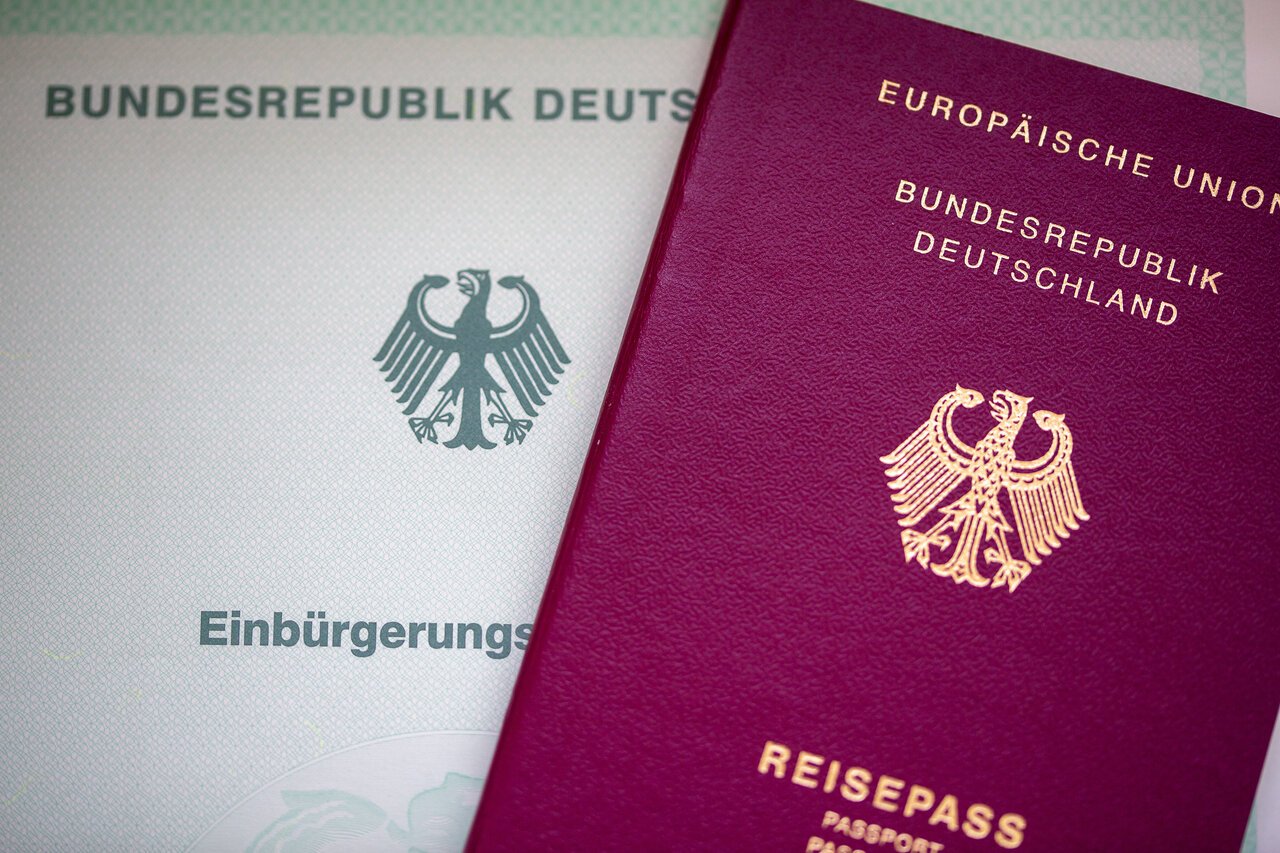
Cologne is a city that's hugely popular with foreigners, with around 210,000 of its some one-million residents not holding a German passport at all.
In recent years, people from Syria have been among the most common applicants for naturalisation in the city - largely due to the fact that many of the refugees who arrived in Germany in 2015 and 2016 have recently become eligible to apply.
READ ALSO: Who's behind the latest surge of citizenship applications in Germany?
Before 2022, however, Turkey was the most common nationality to be naturalised for several years in a row.
In 2024, citizens of Iraq made up just over 20 percent of the citizenship applications in Cologne, Syrians and Turks comprised around 15 percent each, Iranians accounted for 6.3 percent of applications, while Russians made up 4.8 percent.
Comments