
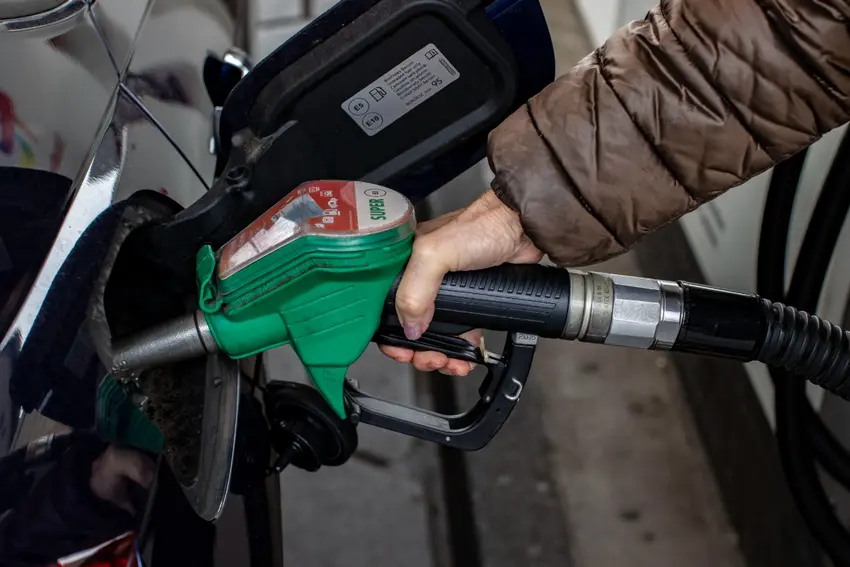
Fuel prices in Germany have risen significantly since the beginning of the year.
According to the German ADAC motoring association, E10 premium petrol cost an average of €1.731 per litre nationwide on Tuesday this week - 3.5 cents more than a week earlier.
The price of diesel rose by 3.3 cents to €1.663 per litre.
What's causing the current spike in prices?
The latest price development is mainly due to the increased CO2 tax at the turn of the year.
From January 1st, Germany’s CO2 tax - a climate tax designed to reduce carbon emissions - went up from €45 per tonne of CO2 to €55 per tonne. The increase results in about three cents per litre more being added onto fuel costs.
But it's not just the tax that's pushing fuel prices up at the moment. According to the ADAC, crude oil prices have also been going up, which means drivers have to dig deeper at the petrol pump.
READ ALSO: Everything that changes for drivers in Germany in 2025
How has the cost of fuel changed in the last year?
One thing to keep in mind is that the prices for petrol and diesel are subject to strong fluctuations. Just four weeks ago, filling up in Germany was significantly cheaper, with drivers paying almost eight cents less per litre.
In general, prices for petrol and diesel follow a seasonal pattern. Fuel is usually more expensive during the main holiday season in the summer months. The price of crude oil on the world market is also an important factor.
Prices similar to the current level were last seen in the summer of last year. It was also even more expensive in March 2024 when a litre of Super E10 cost €1.85. The highest price for a litre of diesel was €1.746 per litre in February.
Despite these highs, it may surprise you to learn that the past year was cheaper overall than 2023, as shown by the ADAC's review of fuel prices in 2024.
A litre of Super E10 cost an average of €1.739 in Germany in 2024, while diesel averaged €1.649 per litre for the year.
Compared to the previous year, Super E10 was around five cents cheaper and diesel just over seven cents cheaper. After the record-breaking expensive years of 2022 and 2023, 2024 ranks as the third most pricey year for refuelling.
Where can I find the cheapest fuel in Germany?
Other factors affecting the cost of filling up include the time of day and where the petrol station is located. Petrol and diesel prices are often slightly higher on the border with neighbouring countries such as Austria and the Czech Republic.
READ ALSO: Where are the cheapest places to fuel your car in Germany?
Trends show that fuel is usually more expensive in the morning than in the evening.
Smart phone apps such as ADAC's free "Drive app" (Android, iOS) make it easier to find the cheapest prices for petrol and diesel fuel.
READ ALSO: Three apps to help drivers in Germany find the cheapest fuel
The exchange rate of the euro to the dollar also plays a role, as crude oil is traded in dollars. Political decisions also have an influence on the cost of fuel, as well as other taxes.
Comments