
The rules of the road can be complicated in Germany, and the turn of the year often brings with it a long to-do list for motorists, from renewing car insurance to putting on winter tyres.
This year, there’s even more to remember, as a long list of changes are coming into force - including tough new penalties for driving misdemeanours that will apply EU-wide.
We’ve compiled the main things you need to know to help you stay well prepared as a motorist in Germany in 2025.
Mandatory exchange of licences
January 19th marks the official end of the red and green paper driving licences in Germany. If you happen to have one of these, you’ll need to exchange it by that date or risk a penalty.
The only exception to this rule is for people born before 1953, so everyone else will need to move fast on this one.
Increase in CO2 tax
Germany’s CO2 tax - a climate tax designed to reduce carbon emissions - is set to be increased in the new year. In this next phase, it will go up from €45 per tonne of CO2 to €55 per tonne.
This will add around three cents extra to a litre of petrol and diesel from January 1st, so don’t be surprised if you see a slight uptick in prices at the pump.
Simpler registration of accidents
Germany has strict laws that dictate how drivers should behave in the event of an accident.
Currently, if a motorist causes any damage to property - i.e. by accidentally scraping another vehicle in a car park - they must stay at the scene of the incident until the injured party arrives.
If they end up leaving, the incident can be treated as a far more serious criminal offence.
In 2025, the rules are due to change to allow drivers to leave the scene and report the accident at a nearby police station or via an online portal instead. There’s no set date for this change, but it’s on the agenda for next year.
READ ALSO: The big changes for travel in Germany in 2025
Compulsory safety checks in caravans
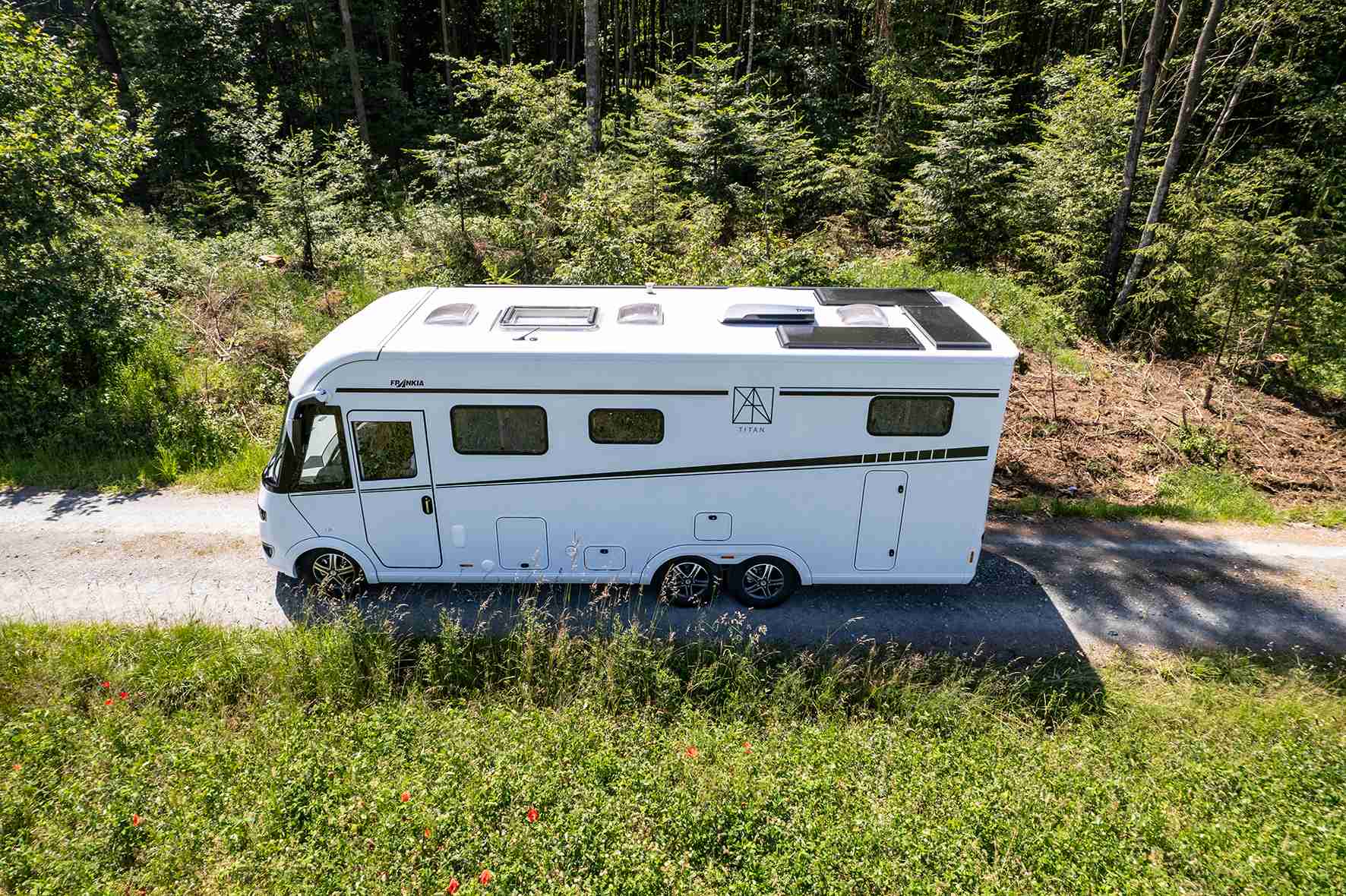
From June 19th, all caravans and motorhomes with LPG (liquid gas) systems will need to be checked by an expert every two years. For new caravans, the inspection will have to take place straight away to ensure that the vehicle is safe to be used.
The new rules are meant to prevent accidents caused by the gas systems used for heating, cooking and cooling.
Introduction of digital driving licences
As Germany’s old-fashioned paper licences continue to be phased out, digital licences are set to come in. The EU’s Driving Licence Directive will pave the way for new digital licences to be introduced in member states, reducing reliance on physical documents.
Germany still needs to transpose the directive into national law after it’s passed by the European Parliament, but when it does, it will bring with it a number of other key changes for drivers.
These include changes to the probationary period for new drivers and new regulations for the theory test, as well as an adjustment in the minimum age for truck and bus drivers in the EU.
However, plans for compulsory health checks for seniors are now off the table.
Insurance premiums likely to rise
According to motorists’ association ADAC, around 9.4 million drivers in 49 German districts could be in for a hike in insurance premiums next year.
This is thanks to some recent changes introduced by the German Insurance Association (GDV), which will alter the regional classifications for third-party liability in 108 districts across the country. These are the classifications that are used by insurance companies to calculate premiums.
For around 4.7 million drivers in 59 districts, however, insurance premiums could be reduced. The difference mainly relates to drivers in cities - who are likely to see hikes - and drivers in rural areas, who may see their premiums go down.
READ ALSO: Why drivers in Germany could face hike in car insurance next year
Stricter climate standards for motorcycles
Motorcycle drivers aren’t exempt from the changes coming in this year: from January 1st, new motorbikes will have to adhere to the EU’s Euro Norm 5+ environmental standards.
This won’t affect vehicles already on the road, and there may be carve-outs for some smaller motorcycles on the market.
Tougher penalties in EU countries
In the borderless Schengen Zone, it used to be relatively easy for drivers to commit offences in foreign countries and simply continue on their way home without worrying about the consequences.
At the start of 2025, however, this loophole is set to be closed - and severe penalties are set to be brought in across borders.
According to Bussgeldkatalog.de, which records fines and penalties for drivers, motorists who commit the following offences could see their licence revoked in their home countries:
- Abusing alcohol or drugs while driving
- Speeding at more than 30 km per hour in urban areas and more than 50 km per hour in rural areas
- Causing an accident resulting in severe injuries or fatalities
Fines for road offences will also be increased in France and Italy. In Italy, for example, drivers face a €1,000 penalty for using their phone at the wheel. In France, 4,000 new AI-powered speed cameras will be rolled out in order to capture misdemeanours like phone use or not wearing a seatbelt.
READ ALSO: The German rules of the road that are hard to get your head around
Mandatory motorway tax sticker in Austria
Since December, travellers heading to Austria have had to shell out more than €100 for the new annual motorway tax ticket. This mandatory sticker now costs €103.80, up from €96.40.
Additionally, from January, the one-day vignette will rise to €8.60 to €9.30, the ten-day vignette will go up from €11.50 to €12.40, and the two-month vignette will increase from €28.90 to €31.10. The increases apply to all types of vignettes.
Major roadworks on key Austrian motorway
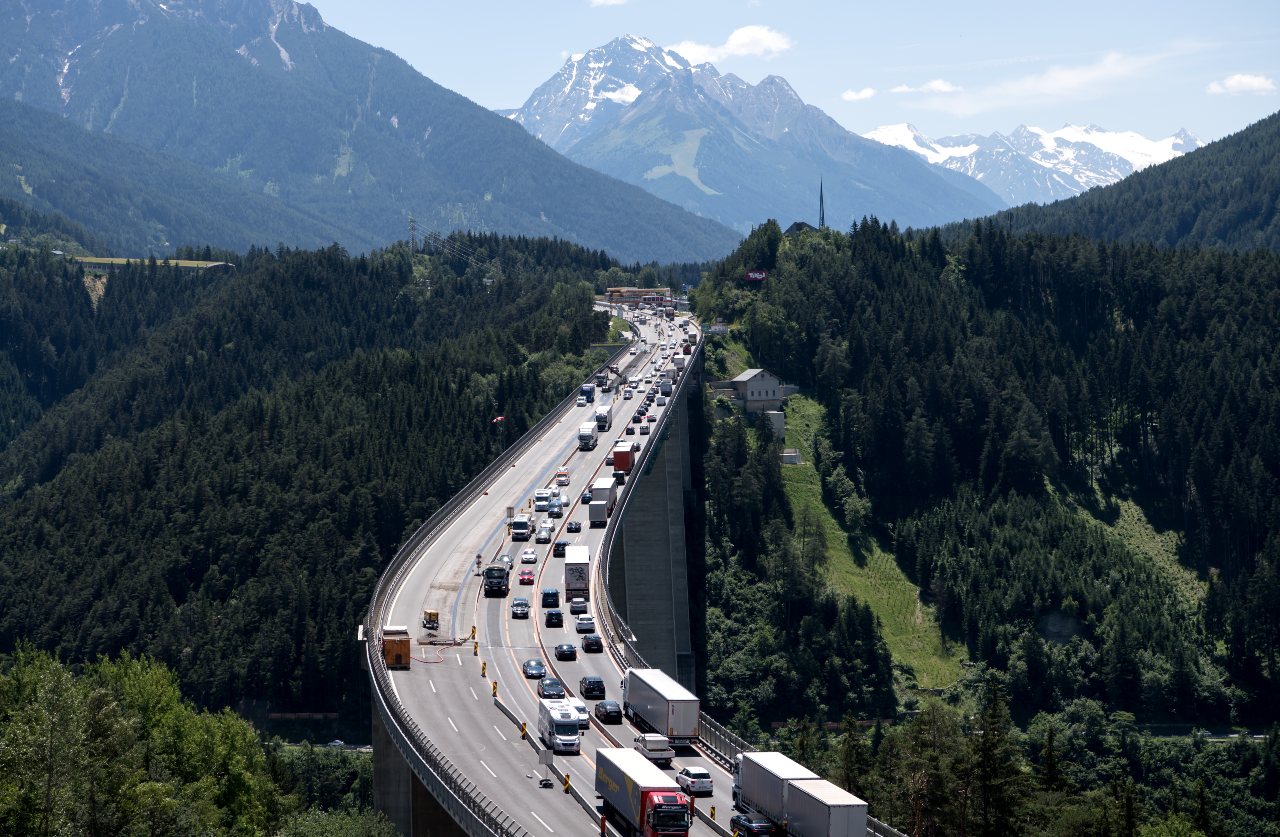
Starting January 1st, Austria’s busy Brenner Autobahn will undergo significant construction work, which could cause major disruption for commuters and holidaymakers.
Due to renovations of the Lueg Bridge in the Wipptal valley, only one lane will run in each direction until 2030. To minimise traffic chaos, a two-lane flow will be implemented on busy travel days, affecting around 170 days of the year.
Meanwhile, on the Tauernautobahn A10 near Salzburg, major tunnel renovations will cause significant delays until June 2025. Five tunnels will be repaired simultaneously, with alternating lane closures and one-lane traffic in each direction.
New electronic certificate required for UK travel
From April 2nd, 2025, the UK will introduce a new electronic authorisation system for travellers from EU countries. That means that people heading to England, Scotland, Wales or Northern Ireland will need to fill in an online form before travel and bring their authorisation with them, along with a valid passport.
The online portal will open on March 5th and applications will cost £10 (around €12), which can paid via debit or credit card.
Comments