
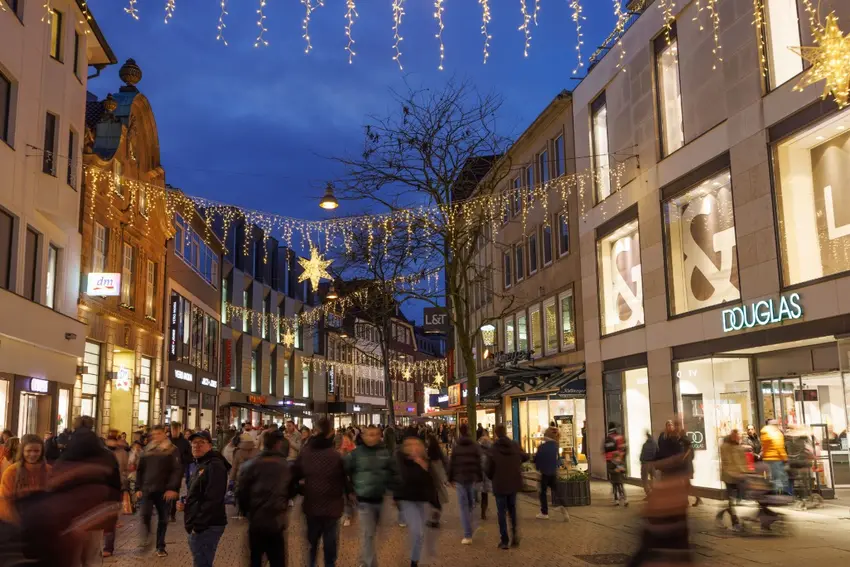
When I moved to Berlin from Scotland in 2017 I experienced plenty of culture shocks, such as the very direct way of communicating, the insane bureaucracy and the naked sauna culture.
But years of living abroad will change a person, and you become used to the way of life and customs of your new home.
Still, I'm always a bit surprised at how many reverse culture shocks hit me when I travel back to the country I grew up in. These seem to be especially pronounced during a trip back in the Christmas/New Year period when everything is a bit more heightened.
Here are a few reverse culture shocks I've experienced on my trip back to Scotland this year. Don't forget to share in the comments below the experiences you have of visiting home from Germany.
READ ALSO: From nudity to sandwiches - the biggest culture shocks for foreigners in Germany
People smile and chat with you
I don't know how many conversations I've had with strangers since I've arrived home in Aberdeen, the city in north-east Scotland where I was born and where many of my friends and family live. There was the woman in the shop who was asking what I had planned for the rest of the day just to make conversation. And the barista in the coffee shop who was up for some banter. There was the person opening the door to Boots, the pharmacy, who wanted to talk about how heavy the door was and how they were getting on with their Christmas shopping. People have been smiling at me. Actually just smiling! For no reason at all.
Now this isn't to say that people in Berlin are super impolite (well, I guess that's debatable), but this kind of casual banter and friendly chit-chat simply just does not happen on a day-to-day basis. I have been so shocked by these pleasant social connections that I launched into uncontrollable giggles while out shopping with my friend. "I'm just not used to this!" I told her.
READ ALSO: Ask an expert - Do Germans really hate small talk?
The traffic light is not king
The habits you pick up while living abroad can creep up on you. For example, I have never thought of myself as a traffic light obsessive. But it turns out living in Germany can train you to keep your eyes on the Ampelmännchen (little traffic light man) and not move a muscle until he turns green.
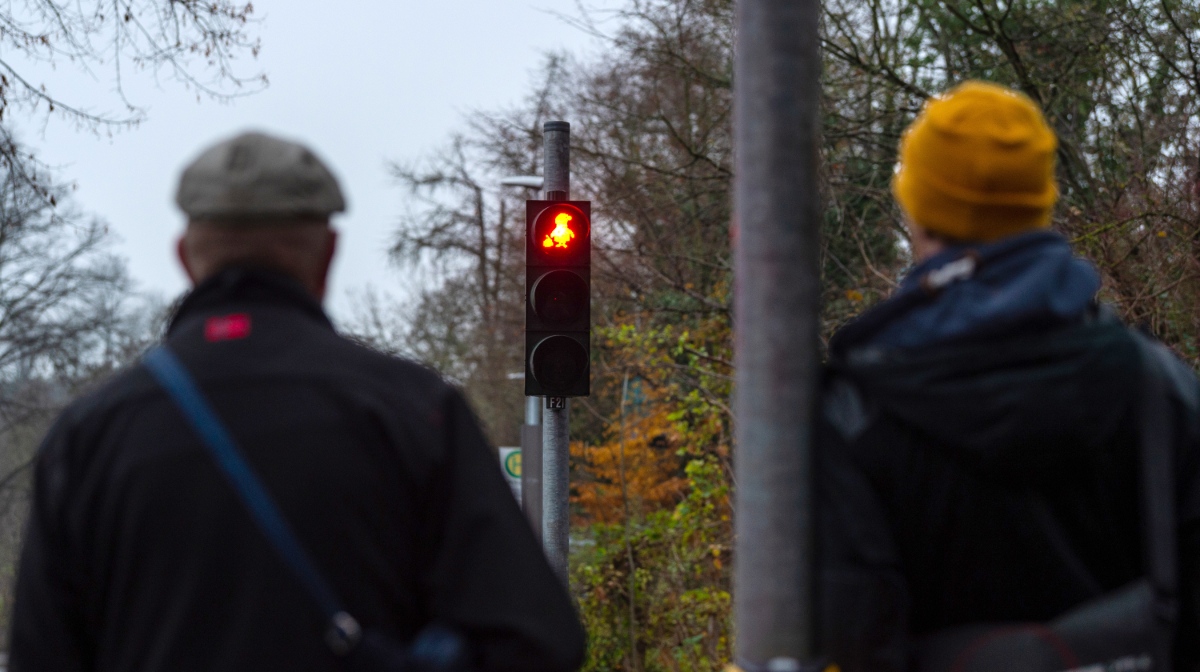
While visiting home my friends have been looking at me with confusion as I wait at the side of the road for the correct time to cross. I have also been watching in horror as people run across the road when there's a space instead of waiting for the green man.
"You've become more German than you realise," my friend told me.
People do not pay with cash anymore
Every time I pay for something in Germany, I ask if I can pay with card. Because in Germany, often when you ask to pay "mit Karte bitte" (with card payment, please), you are answered with a "nur Bargeld" (cash only). Not in the UK. Everyone pays with card - it is the norm. You can even pay with card to get street newspaper, The Big Issue. Although cash is mostly still accepted, it's quite rare to use it nowadays.
READ ALSO: Why is cash so popular in Germany - and is it changing?
Everyone is shopping
This is not to say that Germans don't buy into the western idea of Christmas fuelled by presents and overconsumption, they absolutely do. Germany is a capitalist country and people love the Weihnachtsmann (Father Christmas) as well as all the other gift-givers like Christkind and St Nikolaus. But one thing I have noticed is that there is a calmer approach to buying things. People do not seem to go as shopping-mad as other countries like the UK.
This can be seen in the opening times of businesses. German shops and supermarkets generally close for a half-day on Christmas Eve as well as fully on Christmas Day and Boxing Day. Shops in the UK will usually close only for Christmas Day. In fact, many people get up at the crack of dawn on Boxing Day to queue for the sales.
READ ALSO: What's open and what's closed in Germany over the Christmas holidays?
I feel myself getting caught up in the craziness of it all, wanting to buy, buy, buy even though my family has been trying to scale back Christmas presents and I'm trying to watch my bank account. When spending Christmas in Germany, the consumerism definitely feels a bit more pared back.

The main Christmas celebration is on December 25th
I used to find it a little strange that December 24th was the big day in Germany when I first moved to Berlin because I wasn't familiar with it. Nowadays, I think the evening gathering on Christmas Eve is beautiful, and I appreciate that many countries opt for this way of celebrating the holiday.
Of course, in the UK (and in some other places), Christmas Eve often involves getting stressed in the shops up to the last minute, wrapping tons of presents and leaving a carrot out for Rudolph before bed. December 25th is the big day for the Brits. These traditions are still magical in their own way but a little different nonetheless. I've learned that mixing the two will give you the best of both worlds!
READ ALSO: How do Germans celebrate Christmas?
People aren't obsessed with opening windows
One thing you can count on is that Germans will regularly air out their homes by opening the windows wide. This practice, known as Lüften, is so deeply ingrained in German society that it's even written into rental contracts. I have become religious about opening the windows each day to let the air circulate to improve the quality of air - even in sub-zero temperatures.
Brits just don't have the same urge to fling the windows open. When visiting friends and family back home, I am always springing up to open windows and telling them about the joys of German ventilation, and, frankly, it's probably quite annoying.
READ ALSO: Why Germans are obsessed with the art of airing out rooms
Fireworks are not a big thing
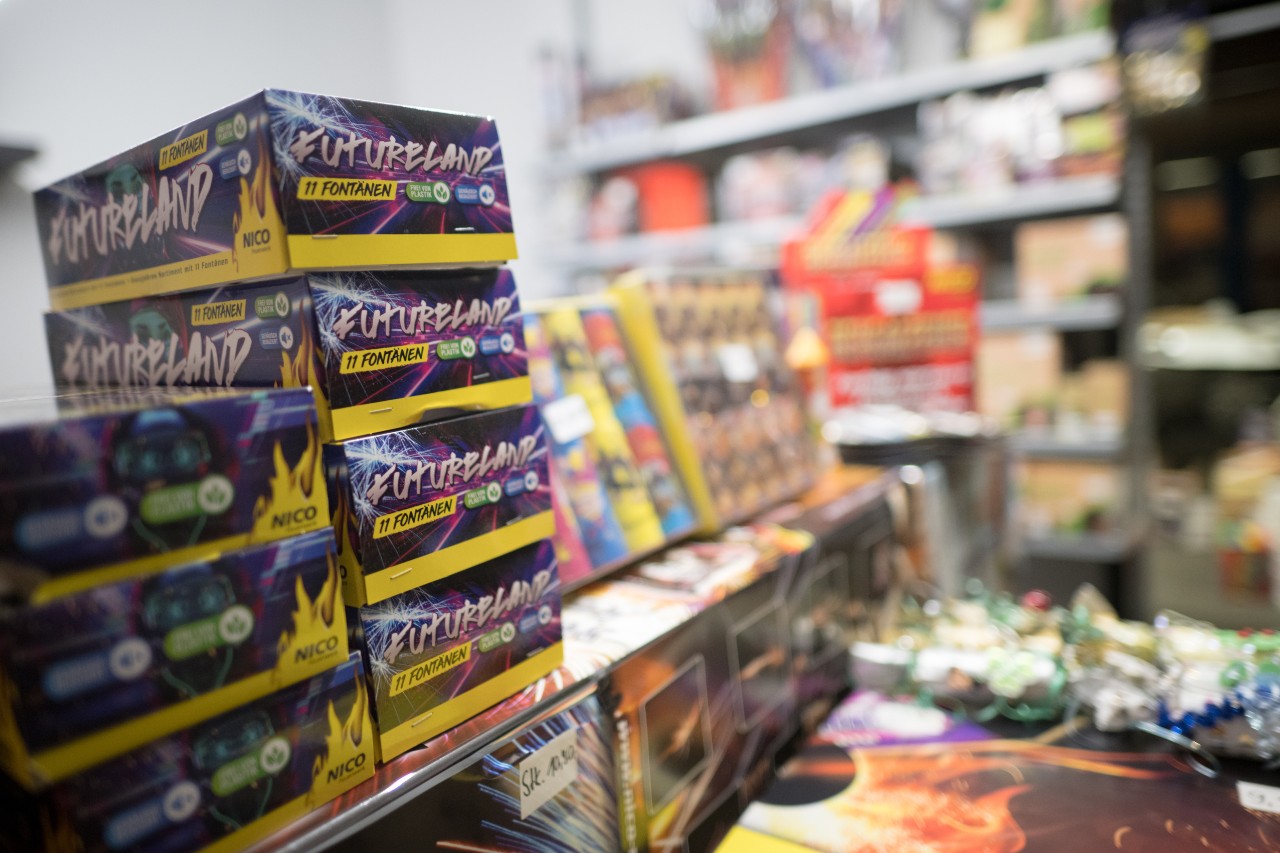
In Berlin, the firework craze already started at the beginning of December with teenagers setting off various pyrotechnics in the street. It will culminate in an all-out wild party on New Year's Eve, where many streets will resemble a war zone.
This is a German tradition I simply cannot get on board with. I may be old and boring but I find it all too loud and it's terrifying to be on the street on Silvester (New Year's Eve). I'm always glad to see that DIY fireworks displays haven't caught on in many other places - including the UK.
The tap water is amazing - and plentiful
Perhaps this is a Scottish thing since we are, you know, well known for our rainfall. But the tap water is just amazing in Scotland. It's cold, fresh and tastes a million times better than the hard water I'm used to in Berlin.
I'm also always surprised at how readily restaurants, cafes and bars in the UK will offer you water. It can still be a fight to get complimentary tap water in Germany.
READ ALSO: Four things to know about tap water in Germany
You don't ask for a "small beer"
Trying to communicate in the pub has also become a challenge for this German resident. Asking for "a big beer" or "a small beer" is not the thing to do (as you would in German - ein großes/kleines Bier bitte). I have to switch my mind back to the "pint" and "half pint" system we have going on in Britain.
Although I don't have a German passport, I think I may just have passed the unofficial integration test.
Have you experienced any reverse culture shocks when going home for the holidays? Let us know in the comments.

Comments (2)