
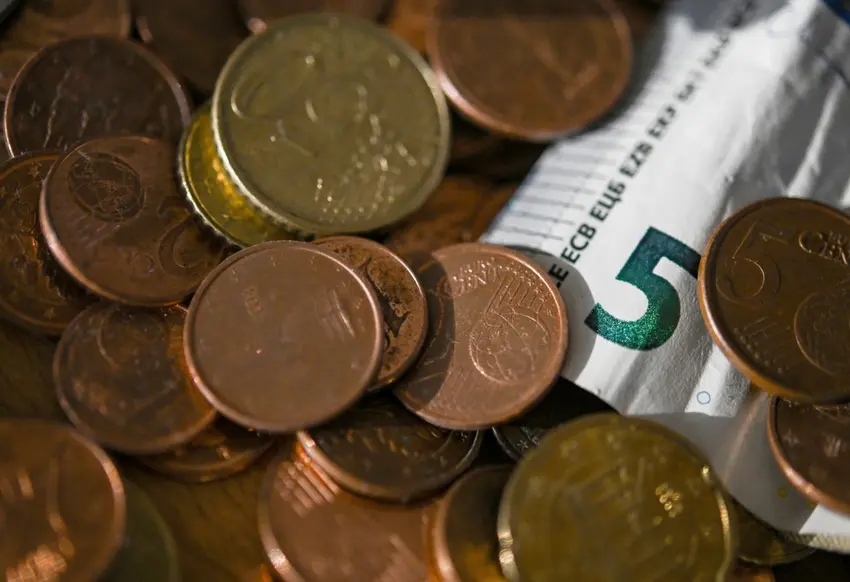
"That would help a lot of people who earn very little money, and it would not be an excessive burden on the federal budget," Scholz said during an interview that aired on ARD's Tagesthemen programme on Tuesday.
When asked whether the reduced VAT rate should also apply to eating out, Scholz did not give a clear answer. He said: "I believe that it is now important that we do something very manageable that everyone will notice every day, in their daily life."
Although inflation in Germany has fallen in the last year, prices are still too high for many people, he said, adding: "I believe we have good opportunities to do something about this."
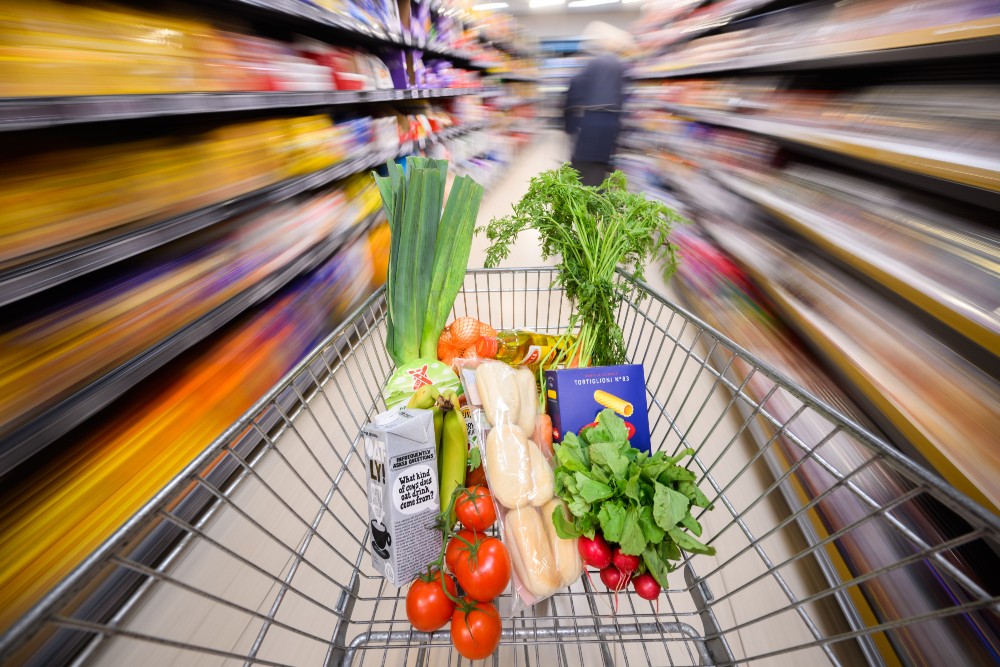
The reduced VAT (which stands for value added tax) rate of 7 percent applies to many food products and everyday goods in Germany.
Other products and services, such as pharmaceutical products, clothes and books are taxed at the standard rate of 19 percent.
Germany - under former Chancellor Angela Merkel of the CDU - introduced a temporary VAT cut in 2020 to ease the burden on households. And later in the pandemic, there was a VAT cut on eating out at restaurants and cafes to help during the energy crisis, which was lifted at the start of this year.
Scholz said people in Germany were still reeling from the events of recent years.
"A major war in our neighbourhood; terrible consequences for our economy when half of the gas was suddenly missing," said Scholz, referring to the energy crisis after Russia launched its full-scale invasion on Ukraine in 2022. He said the country had managed to overcome the energy problems but was still dealing with the aftermath.
In November, consumer prices in Germany were 2.2 percent higher than in the same month last year. In October, the annual rate had risen to 2 percent after two months of dropping.
Now experts are currently expecting a further increase of inflation which many fear could be similar to 2022 when energy and food prices soared. The inflation rate in Germany climbed to almost 9 percent two years ago.
READ ALSO: What's behind the rise of inflation in Germany?
Scholz in election campaign mode
The surprising proposal to reduce VAT came just before the Chancellor is due to write to the Bundestag (German parliament) to request a vote of confidence, which is set to begin on Monday December 16th.
Should he lose this vote as expected, Scholz would only be in office as acting chancellor under a 'caretaker government' until the planned new vote on February 23rd next year.
READ ALSO: What happens next as Germany heads for snap elections?
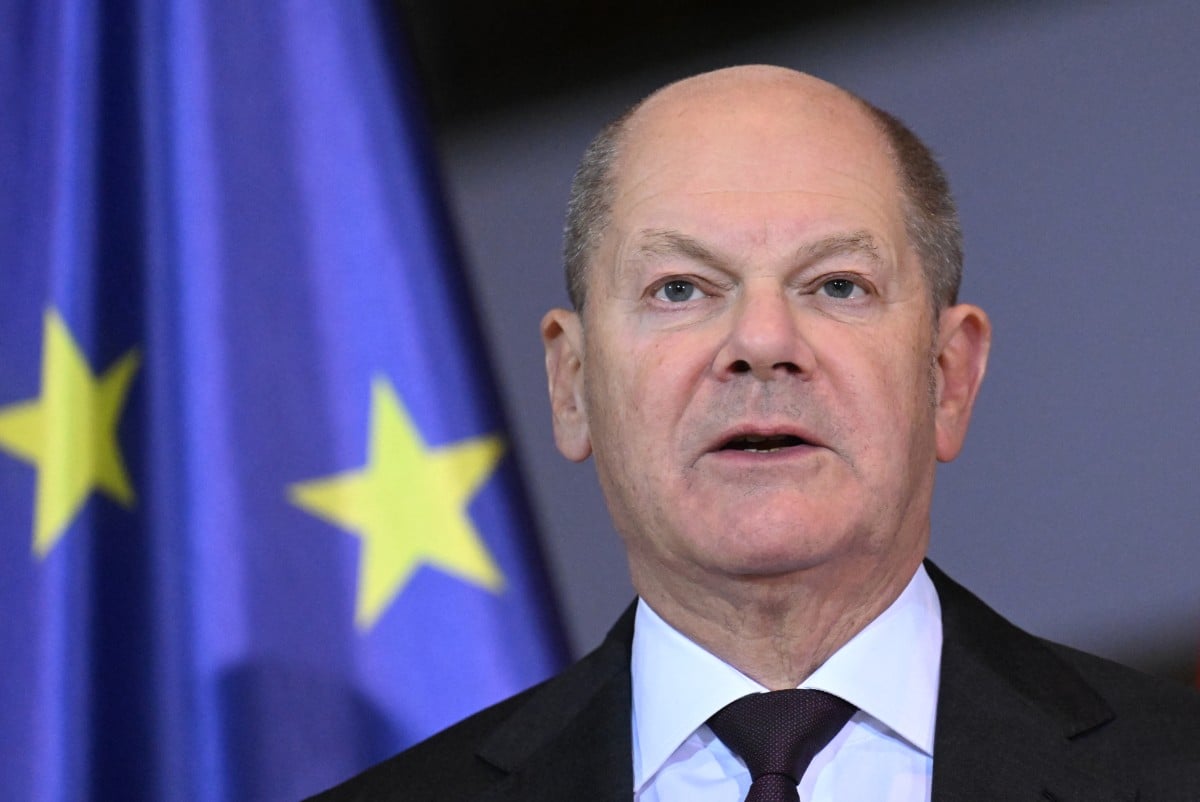
But his scope of power is already limited as things stand. After the 'traffic light' coalition government broke up in November, Scholz now leads a minority government made up of the Social Democrats and Greens. That makes it difficult to pass any legislation because the coalition has no majority in the Bundestag.
So the call for a reduction in VAT is likely part of Scholz's election campaign as the SPD's chancellor candidate.
Scholz has also recently been pushing for an increase in the minimum wage.
At a conference to kick off the SPD's election campaign at the end of November, Scholz announced that he would campaign for the minimum wage to be hiked up to €15 in 2026. "If you want that," said Scholz, "you have to vote for the SPD in February."
He also pointed out that he had vowed to increase the minimum wage to €12 during the last election campaign - and had kept this promise.
The SPD's initial campaigning appears to be making a bit of an impact.
Recent polls have suggested that support for the SPD has increased slightly, although the CDU/CSU is still soaring ahead in first place.
READ ALSO: What would a CDU election win mean for Germany?
Situation in Syria 'still very dangerous'
During the interview with the German public broadcaster, Scholz also touched on other topics including the situation in Syria following the fall of Bashar Al-Assad.
Scholz said it was too early to discuss Syrian refugees in Germany returning to their home country, as politicians from the conservative CDU/CSU, and others, have called for.
Scholz said the focus now should be on assessing the situation in Syria and working together to find a plan to rebuild the country and make it safe.
He said: "The situation in Syria is still ‘very, very dangerous."
READ ALSO: What will happen to Germany's one million Syrians after Assad's fall?
Comments