

Inflation in Germany is expected to hit two percent in October, climbing again after hitting its lowest rate in more than three years one month prior.
Germany’s statistical office (Destatis) said in an announcement published Wednesday that the inflation rate – which is measured as the change in consumer price index compared to the same month of last year – is expected to be up two percent. So-called core inflation, which excludes prices on energy and food, is expected to rise by 2.9 percent – the highest it's been since July of this year.
Which prices are going up?
The biggest price increase was seen in services, which was up four percent, according to preliminary figures released by Destatis.
Services generally include health care, financial services and insurance, food services and accommodations, transportation services, and others. So inflation in services would include everything from the price of your monthly health insurance contribution to the cost of a stay at a hotel to the cost of having your oil changed at a mechanic's shop.
READ ALSO: How much more will you pay in German health insurance next year?
Overall, the price of goods only went up marginally, at 0.4 percent, but that figure was reduced largely thanks to a fall in energy prices. Energy prices actually deflated in Germany in October, dropping by 5.5 percent overall.
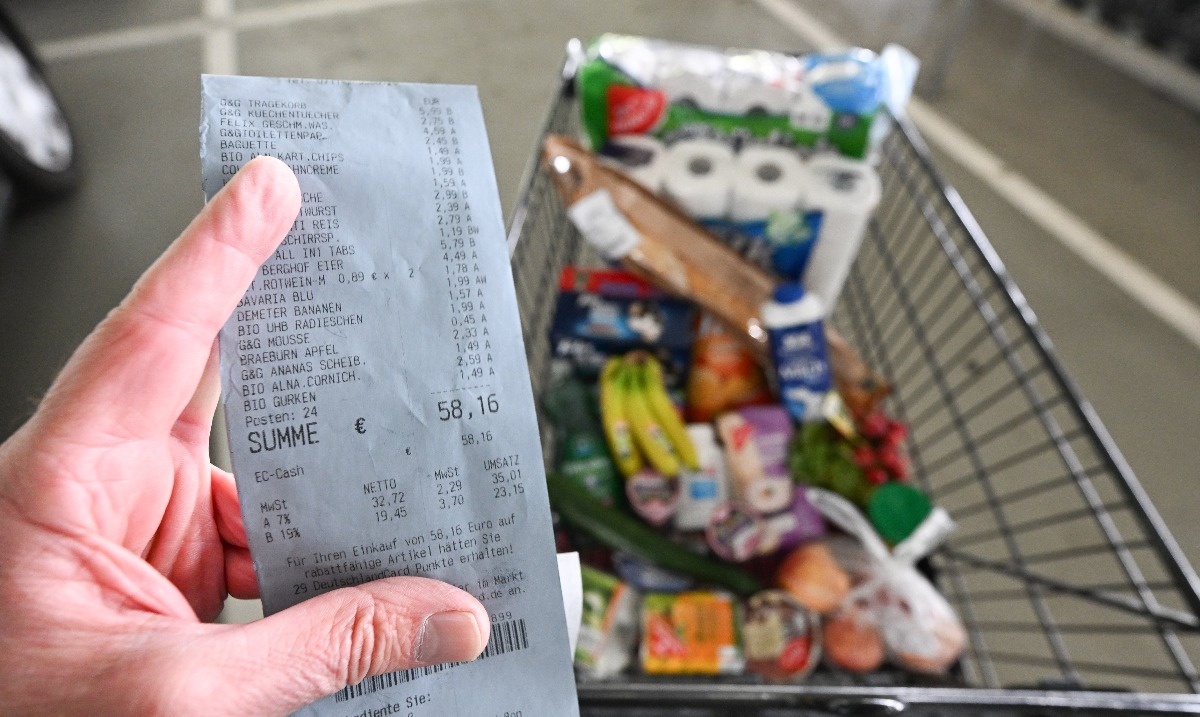
The cost of food, on the other hand, went up by 2.3 percent – the highest rate that Germany has seen in recent months.
While the increase in the cost of foods certainly isn't appreciated when you’re ringing up groceries at the supermarket, it is still significantly lower than the soaring inflation rates seen in Germany around 2022.
If you’re curious about how inflation affects your budget in particular, you can try this personal inflation calculator by Destatis, which allows you to fill in details about your monthly expenditure and then calculates your personal inflation rate.
READ ALSO: What's getting more expensive or cheaper in Germany?
What’s driving up inflation?
Food and services are two of the main drivers.
The inflation rate for services has remained near four percent for most of this year, dipping below that rate since the spring, and increasing slightly (back to four percent) this month.
Commerzbank’s economist Dr. Ralph Solveen, says the rise in service prices is related to higher wages. He said: “Wages have risen significantly…the only factor to slow prices is the weak economy, which will gradually push down the services inflation.”
Wages have risen in Germany recently, in part due to a series of successful workers unions’ campaigns that won wage increases for workers in a number of sectors.
READ ALSO: Germany's Volkswagen demands 10-percent wage cut in union talks
What’s the forecast?
The cost of services isn’t expected to fall soon. Reuters reported this week that German companies in the services sectors were planning for more price increases.
The cost of goods are expected to remain relatively stable, so overall inflation will likely continue to increase at least slightly in the coming months.
Comments