
German public holidays
The month starts off strong with a public holiday or Feiertag. October 3rd is Tag der Deutschen Einheit or Day of German Reunification.
It marks the anniversary in 1990 of East and West Germany coming together after the decades-long separation. It came after the fall of the Berlin Wall on November 9th 1989, which happened 35 years ago this year.
October 3rd, which falls on a Thursday, is a nationwide holiday, with the majority of workplaces as well as schools and shops closed.
READ ALSO: How October 3rd became Germany's national holiday
On October 31st there's another public holiday - but this time it's regional. Reformation Day is a public holiday in the vast majority of protestant states including Brandenburg, Saxony, Thuringia, Bremen and Hamburg.
School pupils get ready for autumn holidays
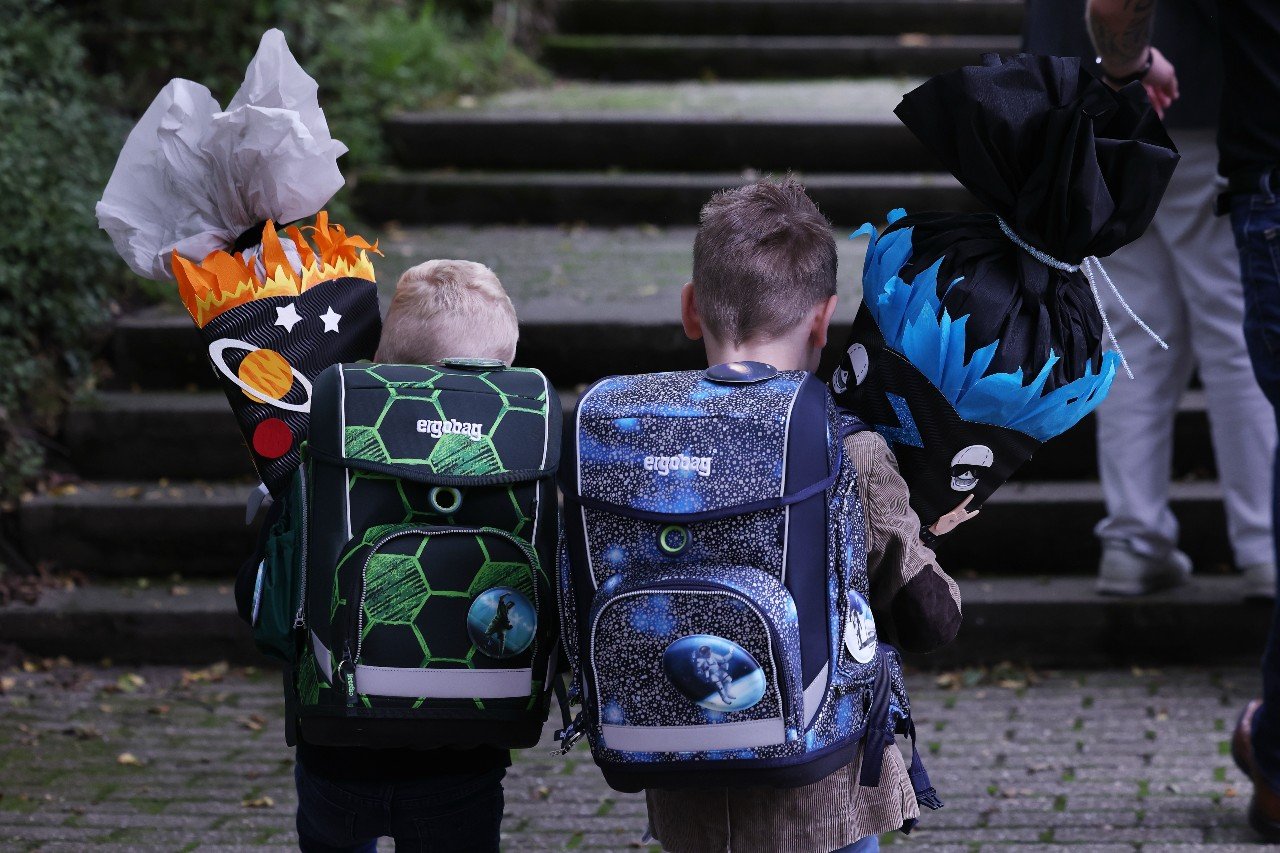
The new term has only just started, but the Herbstferien (autumn break) is around the corner
As always, the holiday length and when it starts differs depending on the German state. In North Rhine-Westphalia and Hesse, for instance, pupils are off from October 14th. In Berlin, Brandenburg and Hamburg a two-week break starts on October 21st.
In Bremen and Lower Saxony pupils start their holidays earlier on October 4th. Meanwhile, in Bavaria and Brandenburg, the autumn break is just a few days long, starting around October 28th.
New regulation for winter tyres
In Germany, winter tyres are compulsory in wintry conditions, for example, when the roads are slippery due to frost and ice or snow and slush.
Many people follow the October to Easter rule and keep their winter tyres on throughout the late autumn, winter and early spring. But the time of year actually has no bearing on the law - and it just depends on the weather. The general consensus is that winter tyres are much safer when temperatures drop below freezing.
This year there is a change that drivers should be aware of. From October 1st, cars in winter weather conditions in Germany will only be allowed to drive with tyres that have the Alpine symbol. Up until now, drivers were allowed to use tyres marked with M+S (mud and snow) provided the tyres were manufactured before January 1st 2018.
READ ALSO: The fines drivers in Germany need to know
Increased financial aid for students
Students in Germany in need of support can get for more financial aid from the winter semester starting in October.
The so-called ‘basic needs’ allowance as part of the BAföG (Bundesausbildungsförderungsgesetz) state funding programme for students will rise from €452 to €475. The housing allowance, which is available to students who no longer live with their parents, will also increase from €360 to €380.
The maximum amount of funding available will rise by €58 from €934 to €992. Students under the age of 25 from low-income households are also entitled to a one-off study start-up grant of €1,000.
READ ALSO:
Clocks go back one hour
Winter is coming. And that means the clocks are going back once again. In the early hours of Sunday, October 27th, the clocks will be turned back from 3 am to 2 am, giving you an extra hour of sleep. The downside is that during Winterzeit evenings will be darker.
Most digital clocks update automatically but clocks on the oven or your car will probably need adjusting.
The shift is occurring despite lots of talk in the last few years about seasonal clock changes being abolished in Germany, and the rest of the EU. That doesn't seem to be happening anytime soon.
READ ALSO: When will Germany ditch the seasonal clock changes?
Berlin-Paris night trains return
French rail operator SNCF announced in June that the Paris-Berlin night train, which was expected to become a daily service in October, would be suspended from August for construction work.
But on October 28th it is set to return. The Vienna-Paris and Berlin-Brussels routes have also been affected by the construction.
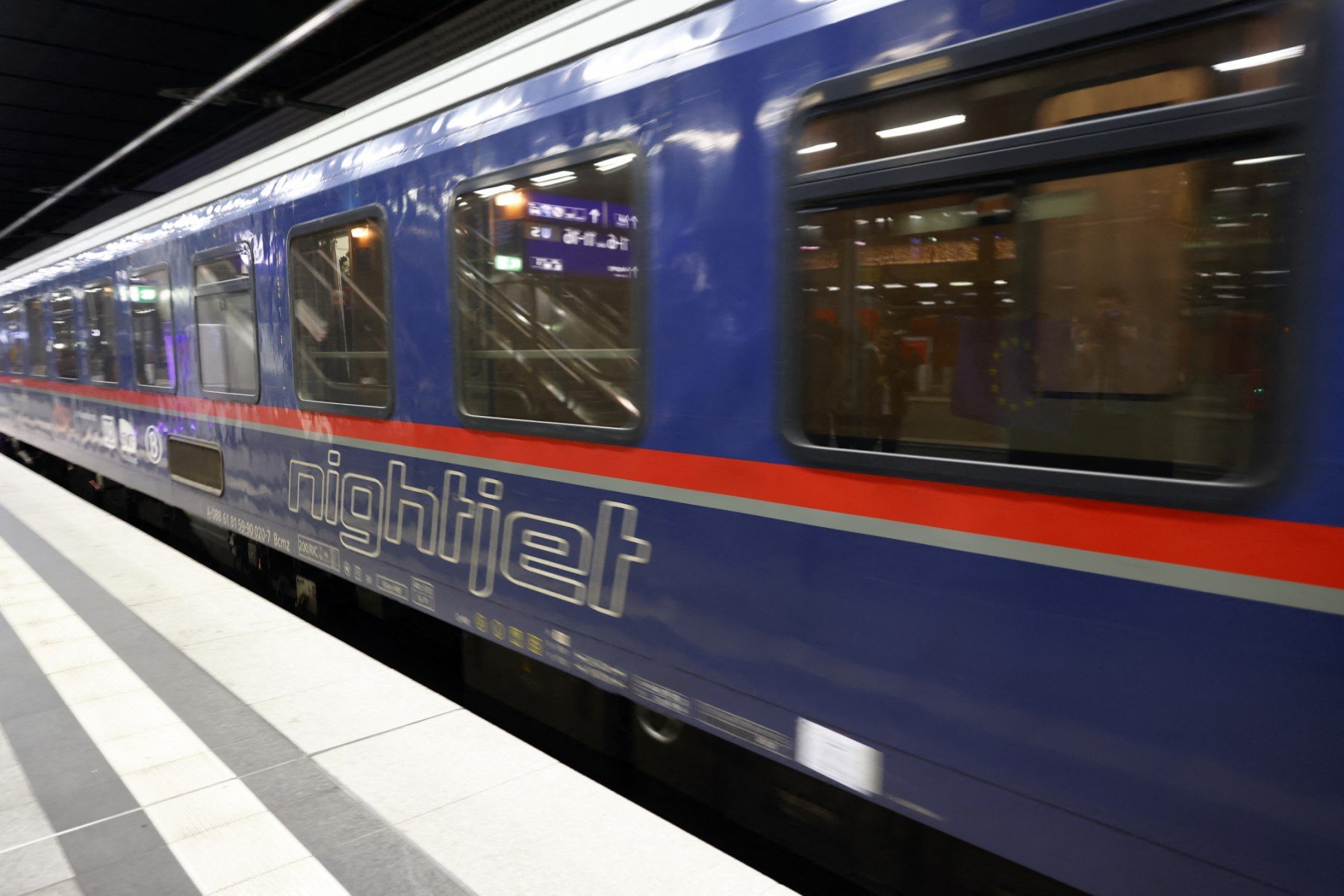
The line is operated by Deutsche Bahn, SNCF and Austrian operator ÖBB which supplies the Nightjet rolling stock.
READ ALSO: The destinations you can reach by direct night train from Berlin
New questions in theory driving test
People learning to drive should be aware of changes coming up in the theory test.
From October 1st, new questions will be added. In fact it is worth keeping in mind that the question catalogues for driving licences are revised twice a year. These include reformulations and new questions.
READ ALSO: How much does it cost to get a driving licence in Germany?
Game on in Essen
The leading trade fair for board games ‘Spiel 24', which takes place annually in the German city of Essen, will once again be presenting new games from October 3rd.
More than 850 exhibitors from almost 50 nations will be presenting new products for card, board and dice games.
The event, which has been attracting visitors for more than 40 years, lasts until October 6th.
Payback card gets new payment function
From October 1st, the Payback bonus service will introduce a function to pay in online stores with 'Payback Pay'.
This was previously only possible when paying for goods in person at shops. The principle of Payback Pay remains unchanged: users can use their collected points directly to pay. If there are enough points, the entire purchase can be paid for with them. If the points balance is not sufficient, the remaining amount is paid with another payment method.
The online shop of drugstore chain dm will be the first platform to make this possible. In future, other Payback partners such as MediaMarkt, Saturn and possibly Amazon will be integrated into the payment system.
Berlin to launch online address registration
There's good news in Berlin when it comes to digitalisation: from mid-October, residents will be able to register and deregister their addresses online.
According to the Senate, this will free up around 500,000 appointments that would ordinarily have been taken by the hundreds of thousands who move into and around the city each year.
The system is based on a similar online registration portal in Hamburg and will rely on the use of the electronic ID card or residence permit for verification.
After applying online, Berlin residents will receive a sticker in the post that they can use to update the information on their eID card and access their registration confirmation digitally.
The latest move is one of a series of steps towards digitalising its services that the capital has taken recently.
At the start of the year, the city moved to an entirely digital citizenship application process, while more recently, several types of residence permit applications have also been moved online.
Halloween celebrations
Halloween doesn't have the same fanfare as in some other countries like the US but it's still celebrated in Germany.
You might get invited to a party or even spot some youngsters trick or treating or “Um die Häuser ziehen (Going around the houses)" as Germans often say.
Stock up on treats just in case - or expect to receive "was saueres" (something sour, or a trick) from a group of disgruntled littl'uns.
READ ALSO: How Halloween is celebrated in Germany
Comments