
CDU seeks governing coalition partners in Saxony and Thuringia
After the strong performance of the AfD in the state elections in Thuringia and Saxony, the CDU wants to act as the head of the next coalition government in both states. But lengthy and complicated coalition talks are just beginning.
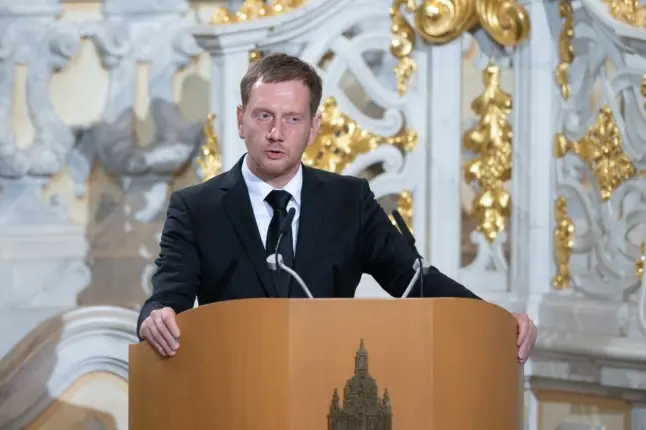
Saxony's Prime Minister Michael Kretschmer (CDU) on Monday further ruled out working with the second-placed AfD and said the party is considering a coalition with the SPD and the new Sahra Wagenknecht alliance (BSW) - the far-left party named after its founder.
"It won't be easy. It will also take time. But it is possible," Kretschmer said on Deutschlandfunk. In Thuringia, too, CDU state leader Mario Voigt plans to approach the SPD and BSW initially.
In Thuringia, however, an alliance of CDU, SPD and BSW would have 44 state parliament seats, just one shy of the the 45 necessary for a majority.
A coalition of CDU, BSW and the Left Party, on the other hand, would have a majority, but for now the party is bound by a resolution that prevents them from working with either the AfD or the Left.
The CDU must now ask itself if its ready to open up to the Left Party, political scientist Oliver Lembcke told the DPA. But this would also inevitably reignite debate about the firewall as its applied to far-right parties as well.
READ ALSO: Should foreign residents in Germany be concerned about far-right AfD win?
German liberals may not make next Bundestag - survey
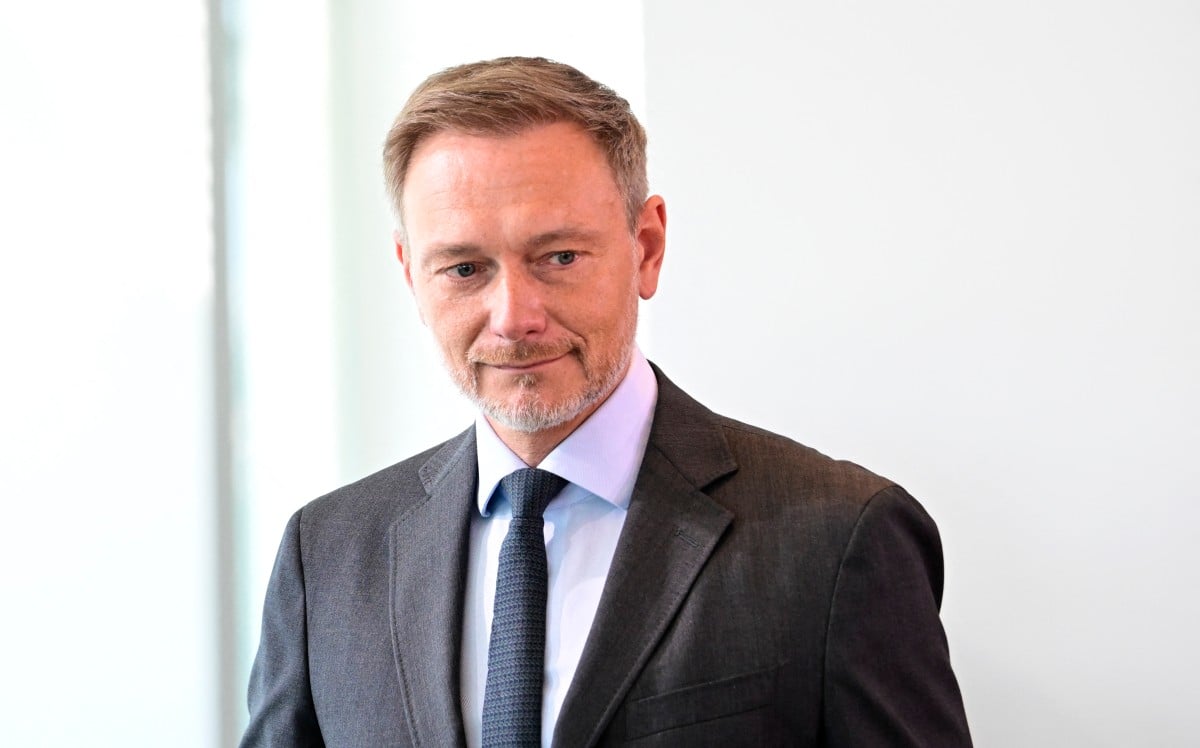
After failing to make the five percent threshold necessary to get any seats at all in the Saxony and Thuringia state parliaments, the liberal Free Democrats (FDP) are reckoning with a federal wipe-out as well.
According to a recent survey, the FDP would get only 4.5 percent of the vote nationwide if a federal election were held tomorrow - leading them to be completely thrown out of the Bundestag.
The next Bundestag elections in Germany are slated for just over a year from now - in September 2025.
READ ALSO: Scholz calls on coalition to 'pull ourselves together'
Migration summit begins
Germany's federal and state governments, along with the opposition Christian Democratic Union (CDU) meet Tuesday to discuss migration - a salient topic given the far-right's success in two recent German state elections.
Ahead of the meeting, an association of local governments demanded tighter migration policies, joining CDU calls.
Some of measures summit delegates will discuss include the conditions for resuming deportations to Syria, more deals with countries that neighbour conflict states, and whether identification papers will be necessary for asylum.
READ ALSO: What Germany' states want to change about migration rules
Association warns Germany invests too little in the protection of women
The Federal Association of Women's Counselling Centres and Women's Emergency Hotlines suggests Germany needs to do more to protect women from domestic violence.
Katja Grieger, the managing director of the association told DPA that it's important that women receive professional help after they experience acts of violence at home. Overall, far too little money is invested in the protection of women in Germany, she added.
According to figures from the Federal Criminal Police Office, in 2023 155 women were killed by their partner or ex-partner in Germany - 22 more than in the previous year. By comparison, 24 men were killed by partner violence in the same period.
In Berlin alone, there have been two recent cases: On Friday evening, a 28-year-old woman was stabbed to death by her former partner, according to initial findings. Only a few days earlier, a 36-year-old woman had allegedly been murdered by her ex-husband.
Volkswagen says it's considering factory closures in Germany
German automotive giant Volkswagen said Monday it could close production sites in Germany, as the auto industry struggled to manage rising costs.
"In the current situation, even plant closures at vehicle production and component sites can no longer be ruled out," Volkswagen said in an internal memo sent to employees and seen by AFP.
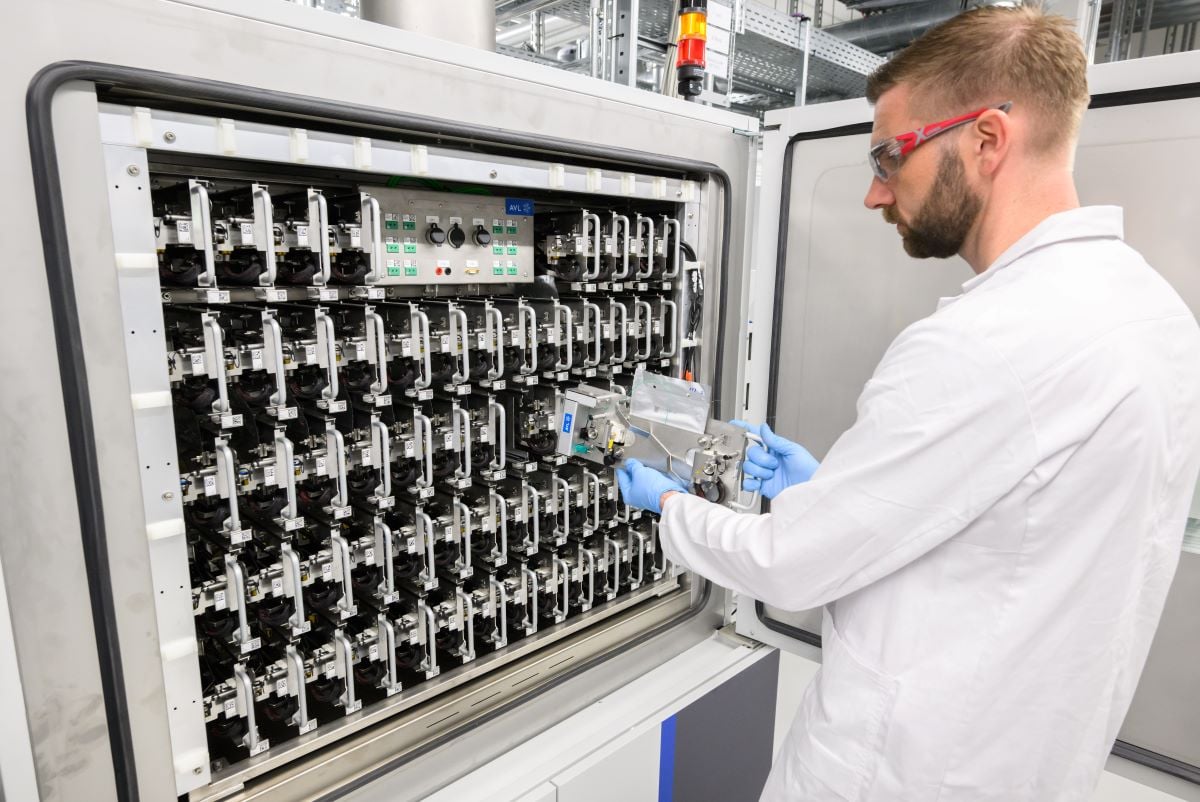
VW has not yet given concrete figures on how many of the approximately 120,000 jobs in Germany could be lost. There was also no information yet on possible locations that could be closed. According to the works council, however, the brand board considers at least one vehicle plant and one component factory in Germany to be dispensable.
Lower Saxony's Prime Minister Stephan Weil, who also sits on the VW supervisory board, called on VW to avoid site closures.
No VW plant has ever been closed in Germany. In addition to the main plant in Wolfsburg, VW has factories in Hanover, Emden, Osnabrück, Braunschweig, Salzgitter, Kassel, Zwickau, Dresden and Chemnitz.
Comments