
Monday's top story: Peace prize laureate urges Germany to break silence on Gaza
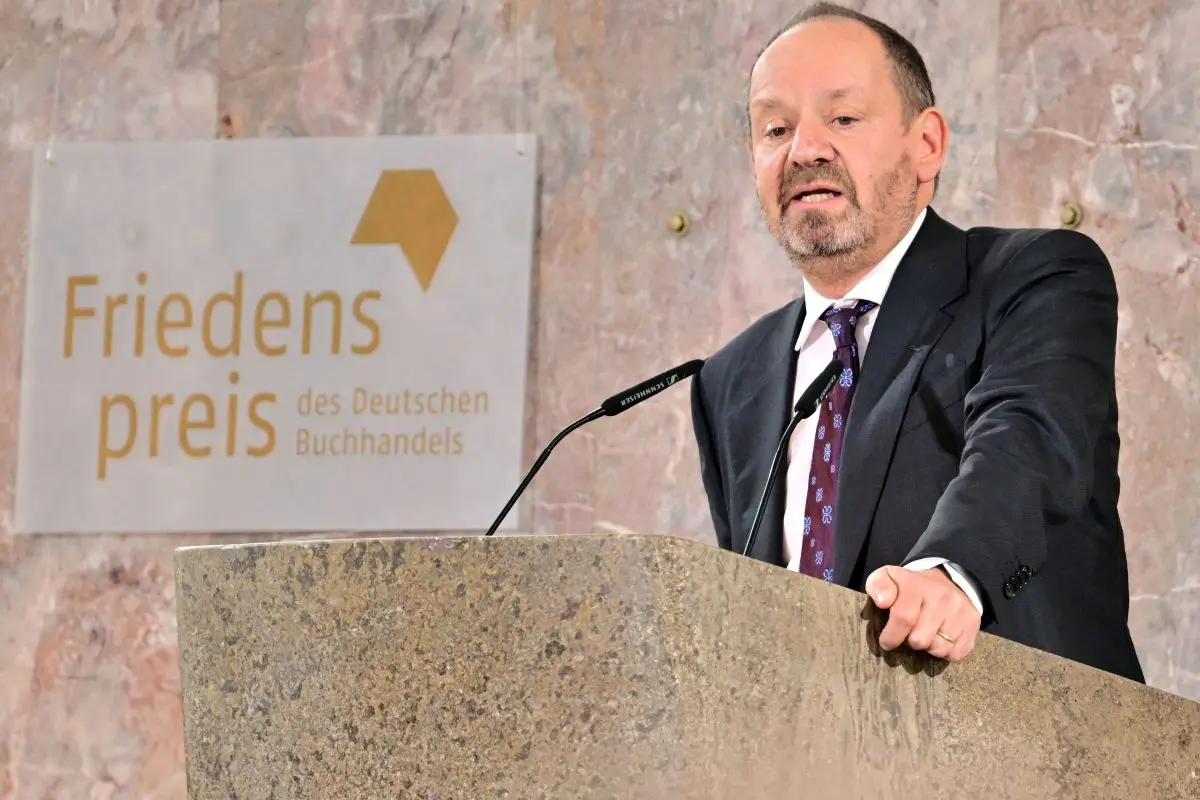
Award-winning lawyer and author Philippe Sands used his acceptance speech for the prestigious German Book Trade Peace Prize to challenge Germany’s stance on the Gaza conflict, calling for a more open debate on possible violations of international law by Israel.
Speaking at Frankfurt’s historic Paulskirche in the presence of German President Frank-Walter Steinmeier, the French-British legal scholar criticised what he described as Germany’s “deafening” silence over events in Gaza and the West Bank.
The lawyer, who has built an international reputation defending human rights and international law, insisted that criticism of Israel should not automatically be equated with antisemitism.
“Especially among friends,” he suggested, governments must be willing to speak openly about potential breaches of international law.
In a statement, the jury which awarded the prize to Sands said: "As one of the most important intellectual voices of our time, the French-British lawyer and writer advocates for justice, peace, and the steadfast defence of international law. A descendant of Holocaust survivors, he uses his own family history to show how this body of law came into being and what experiences lie behind the legal concepts of 'genocide' and 'crimes against humanity'."
Thousands gather at pro-Palestinian rally in Berlin
Thousands of people joined a pro-Palestinian demonstration in Berlin at the weekend, as well as other locations across Europe, underlining mounting public pressure over the conflict in Gaza and Western support for Israel.
According to police, around 3,500 demonstrators gathered in the German capital’s government district before marching towards Alexanderplatz. The protest, organised by the coalition United 4 Palestine, called for an immediate end to Israel’s military operations in Gaza and criticised Germany’s political, diplomatic and military backing of Israel.
Despite heightened security, with around 1,400 police officers deployed across several demonstrations in Berlin, the march remained largely peaceful. Authorities reported only a small number of incidents involving criminal slogans.
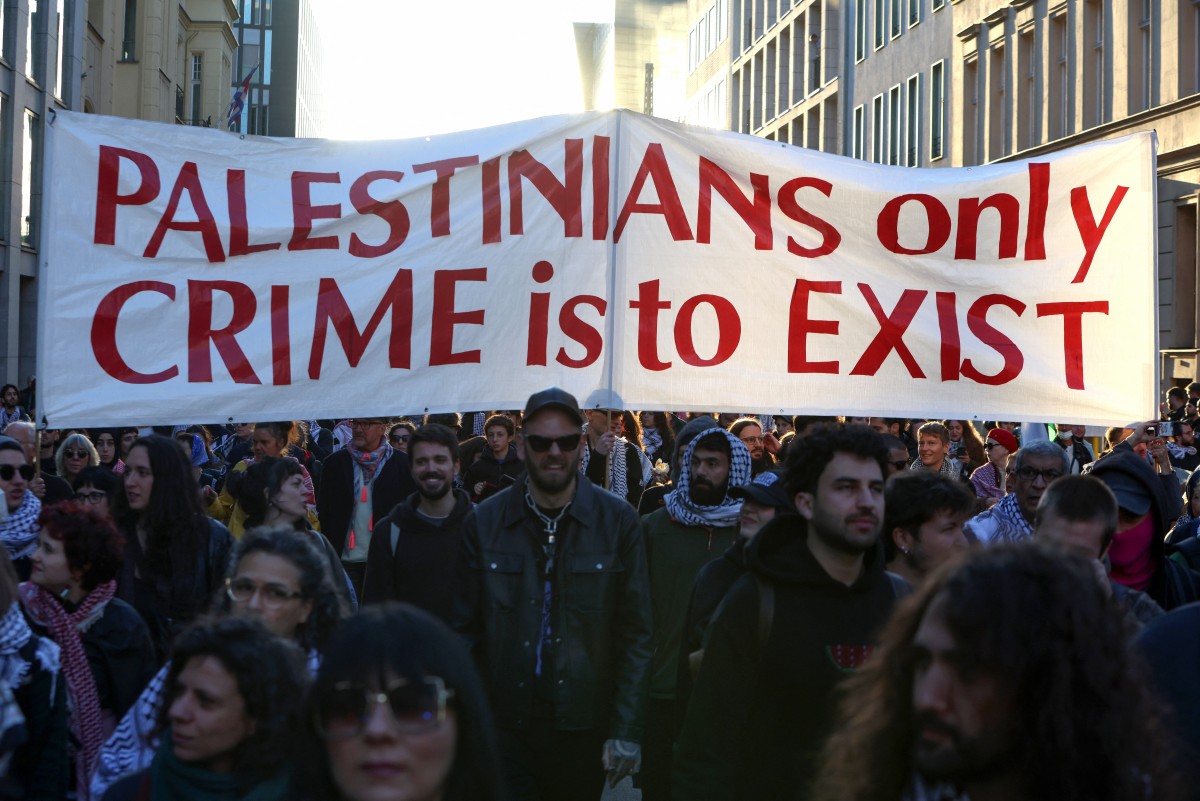
The coordinated demonstrations reflect growing public scrutiny of European governments’ policies as the humanitarian and political consequences of the Gaza conflict continue to resonate across the continent.
READ ALSO: IN PICTURES - Thousands join pro-Palestinian march in Berlin
SPD faces renewed pressure to expel former leader after Putin visit
Germany’s Social Democratic Party (SPD) is under growing pressure to launch fresh efforts to expel former Chancellor Gerhard Schröder following his widely criticised birthday meeting with Russian President Vladimir Putin in Moscow.
Schröder, who turned 74 last week, was welcomed by Putin at the Kremlin in what Russian officials described as a reunion between old friends.
Images released by the Kremlin showed the pair smiling and shaking hands, reigniting controversy over the former chancellor’s longstanding ties to the Russian leader.
Baden-Württemberg SPD co-chair Robin Mesarosch branded Schröder “a complete disgrace to the entire country”, while Bavarian counterpart Sebastian Roloff criticised any attempt to “court a war criminal”.
But party leaders in North Rhine-Westphalia and Schleswig-Holstein have expressed doubts over whether renewed expulsion proceedings would succeed, noting that previous attempts failed.
READ ALSO: Merz outraged at former German chancellor's birthday visit to Putin
Woman orders ‘Pizza’ on emergency call to alert police during alleged harassment
A young woman in western Germany has been praised for her quick thinking after discreetly alerting police to alleged harassment by pretending to order pizza during an emergency call.
The 18-year-old, from Gelsenkirchen, was travelling home in an Uber from nearby Bochum when, according to police, the driver sexually harassed her during the journey. Unable to speak freely, she dialled the emergency services and pretended to place a takeaway order.
Recognising that something was wrong, the call handler treated the unusual request as a covert appeal for help and dispatched officers to meet the vehicle in Gelsenkirchen-Buer. Police later opened criminal proceedings against the 35-year-old driver from Düsseldorf.
The incident has prompted German police to highlight the importance of discreet emergency signals for people who may be under threat or unable to communicate openly. Officers stressed that emergency call centre staff are trained to identify coded requests for assistance and respond accordingly.
Initiatives such as the “Ask for Luisa” scheme and internationally recognised silent hand signals have been adopted in several countries to help vulnerable people seek assistance without alerting a potential offender.
READ ALSO: What to know about dealing with domestic violence in Germany
German economy minister stranded in Riyadh after deadly airport attack
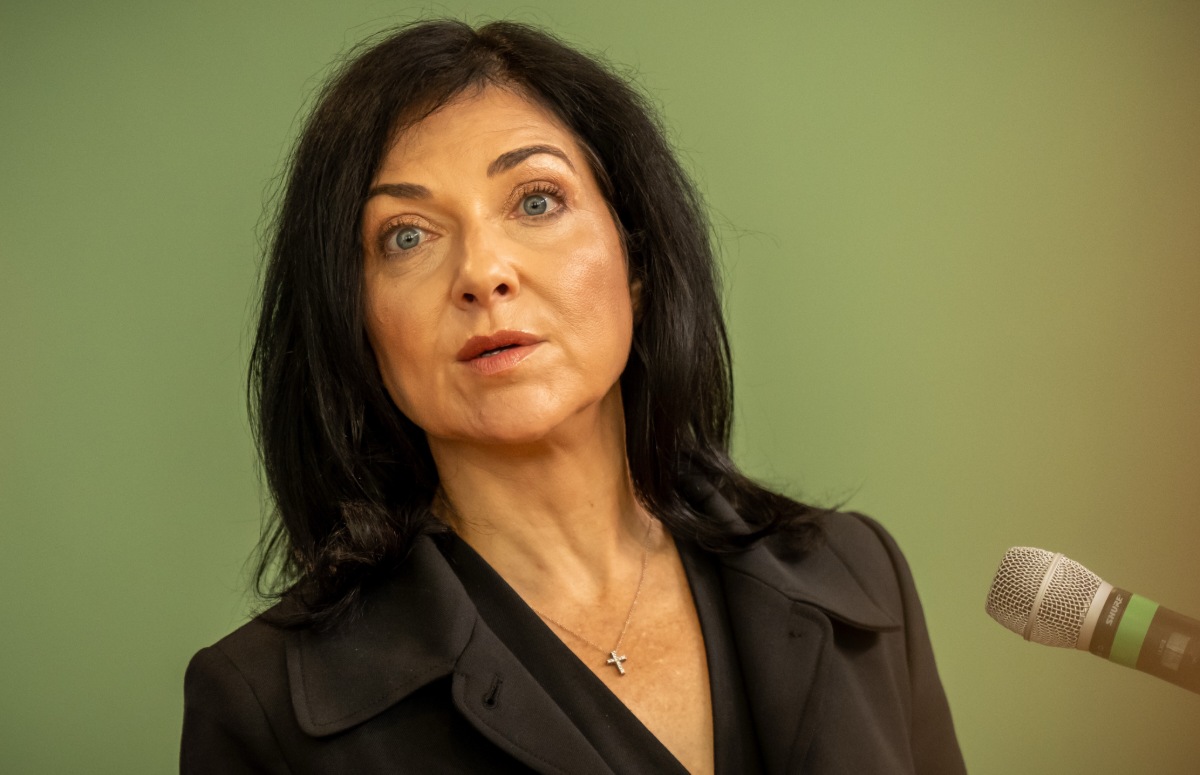
German Economy Minister Katherina Reiche has been unable to return to Berlin as planned after a deadly attack on Riyadh’s international airport disrupted travel operations in the Saudi capital.
The German government confirmed that Reiche, who was already attending a series of energy conferences in Riyadh when the attack occurred, remained in Saudi Arabia on Sunday while officials worked to arrange alternative travel.
The Ministry for Economic Affairs said the minister and her delegation would be brought home safely as logistical arrangements are coordinated with relevant authorities.
The attack on Riyadh airport reportedly killed at least 12 people and injured more than 300, underlining growing security concerns in a region that remains central to global energy markets.
Despite the disruption, Reiche’s programme in Saudi Arabia is expected to continue. She has been participating in discussions focused on energy security, oil and gas supplies, and future infrastructure investment.
Ahead of the meetings, Reiche stressed that Germany must maintain a presence wherever key decisions on global energy flows are being made, reflecting the country’s continuing reliance on imported fossil fuels.
Like many European nations, Germany has sought closer energy cooperation with Middle Eastern partners in recent years as governments work to diversify supply chains and strengthen energy security amid an increasingly uncertain international environment.
With reporting by AFP.
Comments