

Fuel tax cut for drivers
From October 1st, drivers in Germany will see some financial relief at the gas station.
The German government plans to lower energy taxes on petrol and diesel in what's known as the Tankrabatt.
It will result in prices dropping by 14 cents per litre – but combined with VAT, this results in total saving of 17 cents per litre.
The move is due to the sharp rise in fuel prices, influenced by the escalating situation in the Middle East.
In January next year, a fuel price cap will also come into force.
READ ALSO:
- How expensive are fuel prices around Europe right now?
- What does Germany's fuel price cut mean for drivers?
Public holiday as Germany marks Unity Day
The first few days of October bring Tag der Deutschen Einheit or Day of German Reunification.
On October 3rd, 1990, East and West Germany were officially unified, marking the beginning of the Federal Republic of Germany as we know it today.
This year's Unity Day marks the 36th anniversary of Germany reunifying. Celebrations usually take place across the country.
It is a nationwide public holiday – but since it falls on a Saturday this year, most people will not get an extra day off work.
However, employees who work at the weekend at supermarkets and other stores will get a day off. Shops and businesses will be closed all day so remember to stock up on supplies beforehand.
READ ALSO: 'Unity Day' - How October 3rd became Germany's national holiday
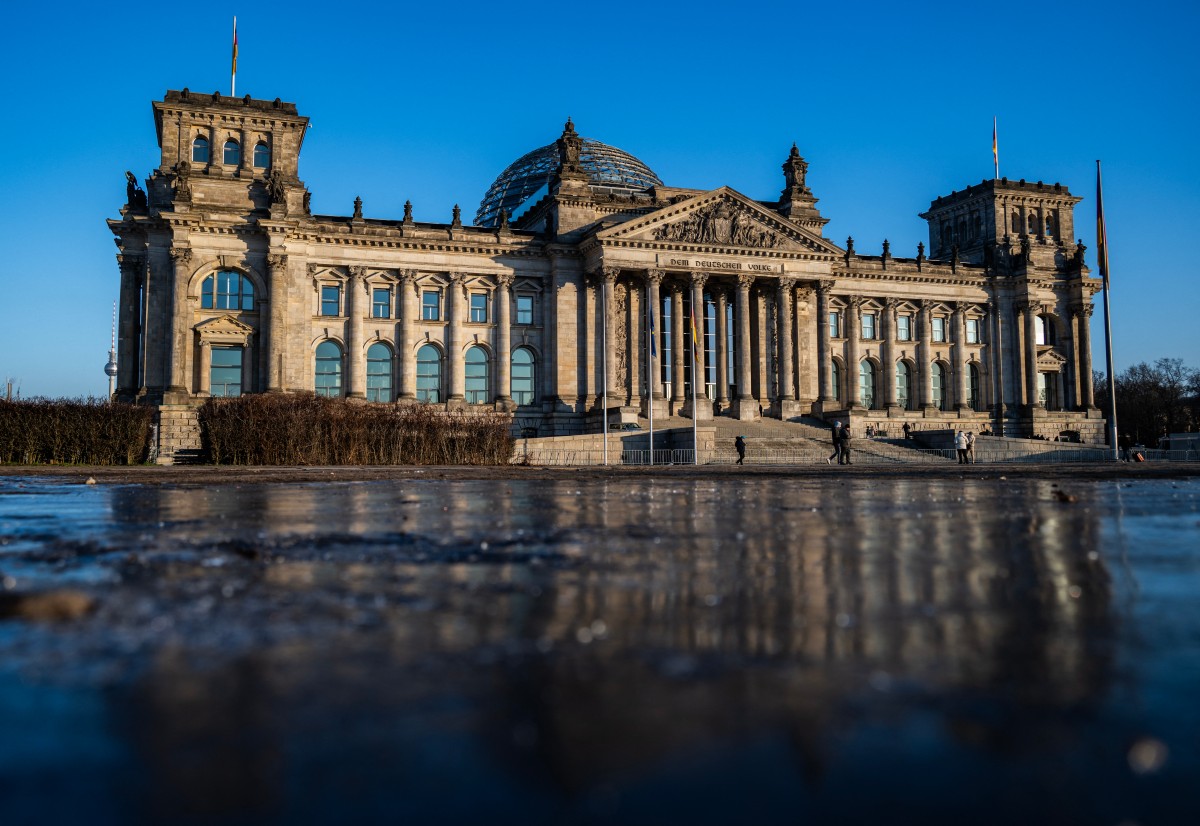
Rail disruption between Hanover and Berlin
Rail travellers in Germany face disruption as major construction work on the route between Hannover and Berlin gets underway from October 2nd.
The project, which runs until December 2027, includes renewing more than 214 points, around 357 kilometres of track and 100 kilometres of overhead lines, as well as upgrades at 27 stations.
However, delays to the electrification of the Lehrter Stammbahn mean it will not be ready to serve as an alternative route as originally planned. As a result, trains will have to be diverted while work takes place on both routes.
From the December 2026 timetable change, long-distance trains between Hanover and Berlin will run via Braunschweig and Magdeburg, with three trains in each direction every two hours, plus some additional individual services.
Braunschweig and Magdeburg will remain connected to the long-distance network hourly, with Magdeburg receiving more long-distance stops than usual.
The journey between Hanover and Berlin will take around 80 minutes longer as a result. The regional train timetable is still being finalised, with replacement buses planned where trains cannot run.
Set the clocks back
We're sorry to say – because it feels like summer was just a moment ago – but winter is officially around the corner as the clocks are set to go back once again.
Daylight saving time ends in Germany and most European countries on the last Sunday of October.
During the night leading into Sunday, October 25th, clocks go back from 3am to 2am. The silver lining? We'll all get one extra hour of sleep.
Germany's train stations go fully alcohol free
German rail operator Deutsche Bahn has been rolling out its alcohol ban in stations since September.
This ban is expected to be fully enforced in all 5,400 stations across the country by October 15th.
Anyone who flouts the rules faces being ordered to leave the premises, and repeat offences could result in a ban from the stations.
Passengers will still be able to buy alcohol in station bars and from the restaurants on ICE and IC trains.
More money for skilled trades workers
Some workers in the skilled trades will see a pay increase on October 1st.
In the roofing trade, wages that fall under collective agreements are rising by roughly 3.4 percent.
A journeyman roofer will then earn at least €23.28 per hour, up from the previous €22.51. Apprentices will also receive higher pay.
Salaries in the scaffolding trade are rising by 4.4 percent, increasing the hourly wage from €19.25 to €20.10.
However, these wages do not automatically apply to all skilled trades workers; it depends on the specific collective bargaining agreement.
Security update for health insurance cards
Doctors’ offices across Germany must upgrade their systems to a new and secure encryption method called ‘ECC’. This is necessary to ensure that the new electronic health cards can continue to be read without any security problems.
The changeover comes into effect on October 1st, however, existing health cards remain valid.
At the same time, the Health ID on a smartphone can be used in future as digital proof of insurance.
The electronic patient record is also being expanded. Among other things, a digital medication plan is to be added to it.
Digital 'certificate of conduct' on the way
From October 1st, Germany's Führungszeugnis or certificate of conduct (sometimes called a background check) will be available in digital form.
The PDF file can be accessed via your personal ‘BundiD account’. Its authenticity can be verified using a barcode and a special app.
The paper version will, however, still be available. In fact, if the certificate needs to be submitted to a public authority, the paper version is required.
Digital storage of advance care planning documents
Another digital change to be aware of: From October, electronic copies of advance care planning documents can be stored in the Central Advance Care Planning Register alongside the information already held there.
These include, for example, powers of attorney for healthcare and living wills.
However, you cannot upload the documents yourself – this is managed by notaries, solicitors or care agencies.
It means that courts and doctors can access the documents more quickly when needed.
Hedge trimming allowed again
Have the hedges and bushes in your garden grown a lot over the summer? Well, you'll soon be allowed to trim or remove them again.
October 1st marks the end of the protected period, in effect since early March, which serves to safeguard nesting birds and other animals.
Fewer 'forever chemicals' in clothing and cosmetics
Whether it’s a rain jacket, a pizza box or skincare products: PFAS – chemicals that are water- and heat-resistant – are encountered by consumers in many everyday situations.
They are particularly persistent and hardly break down in the environment. Some of these ‘forever chemicals’ are suspected of being harmful to health.
From October 10th, new EU rules will apply to a specific subgroup of PFAS. As a result, certain products will only be allowed to contain PFAS in smaller quantities or must be manufactured using different coatings and formulations.
Oktoberfest comes to an end
Another year of Munich's Oktoberfest, or Wiesn, will round up on October 4th.
Millions of visitors flock to the Theresienwiese in the Bavarian capital for what is billed as the world's largest folk festival every year.
But don't worry, it will be back again next year!
Comments