
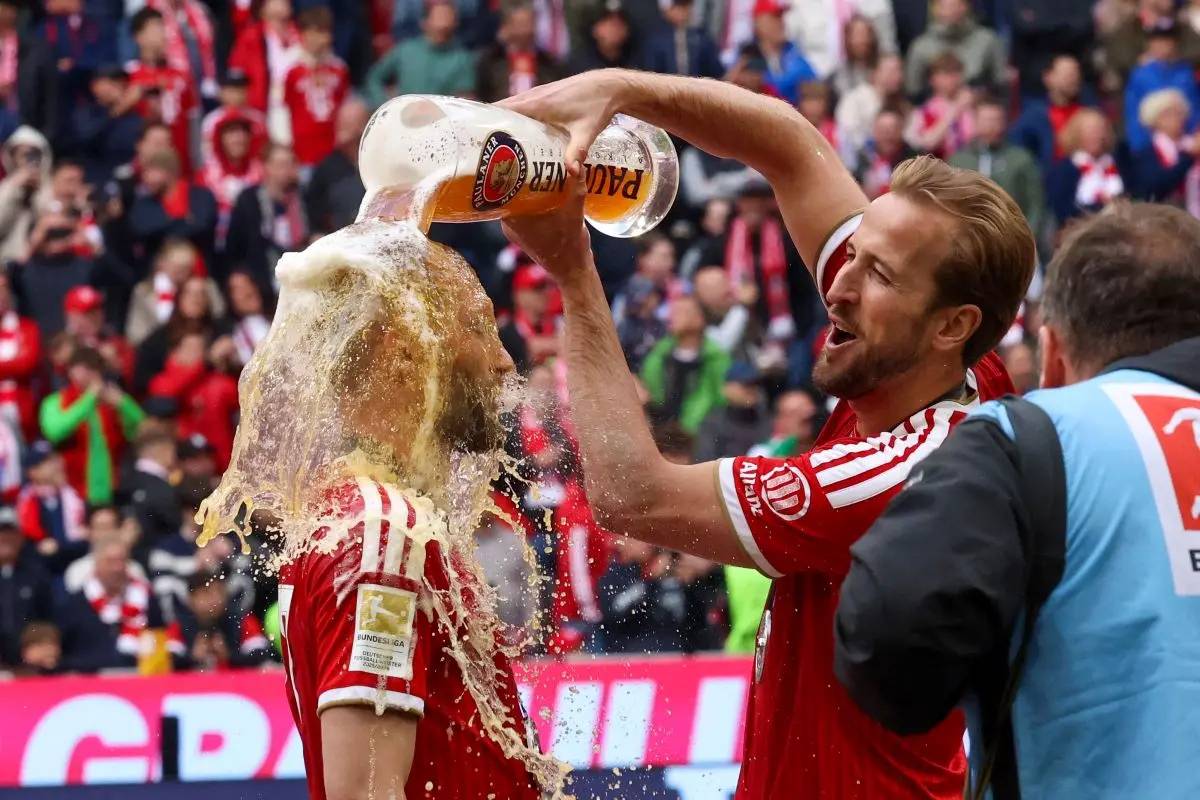
Germany's national football league (Bundesliga) kicks off a new season on August 28th with a mix of new and familiar questions hanging in the air: Can Bundesliga newcomers Elversberg survive among the elite? How will returning giants Schalke 04 fare back in the Bundesliga? Can anyone stop Bayern Munich?
And, in the women’s game, can the expanding league (Frauen-Bundesliga) continue to build on its growing popularity?
Whether you are a lifelong football obsessive or a curious newcomer, this is the perfect moment to get involved.
The stories everyone will be talking about
The biggest question in the men's Bundesliga also feels like the oldest one: can anybody catch Bayern Munich?
Most observers expect the reigning champions to remain the team to beat, with Dortmund and Bayer Leverkusen widely seen as the most likely challengers.
One dissenting voice has come from SC Paderborn coach Ralf Kettemann, who bucked the consensus by naming VfB Stuttgart as his pick for the title.
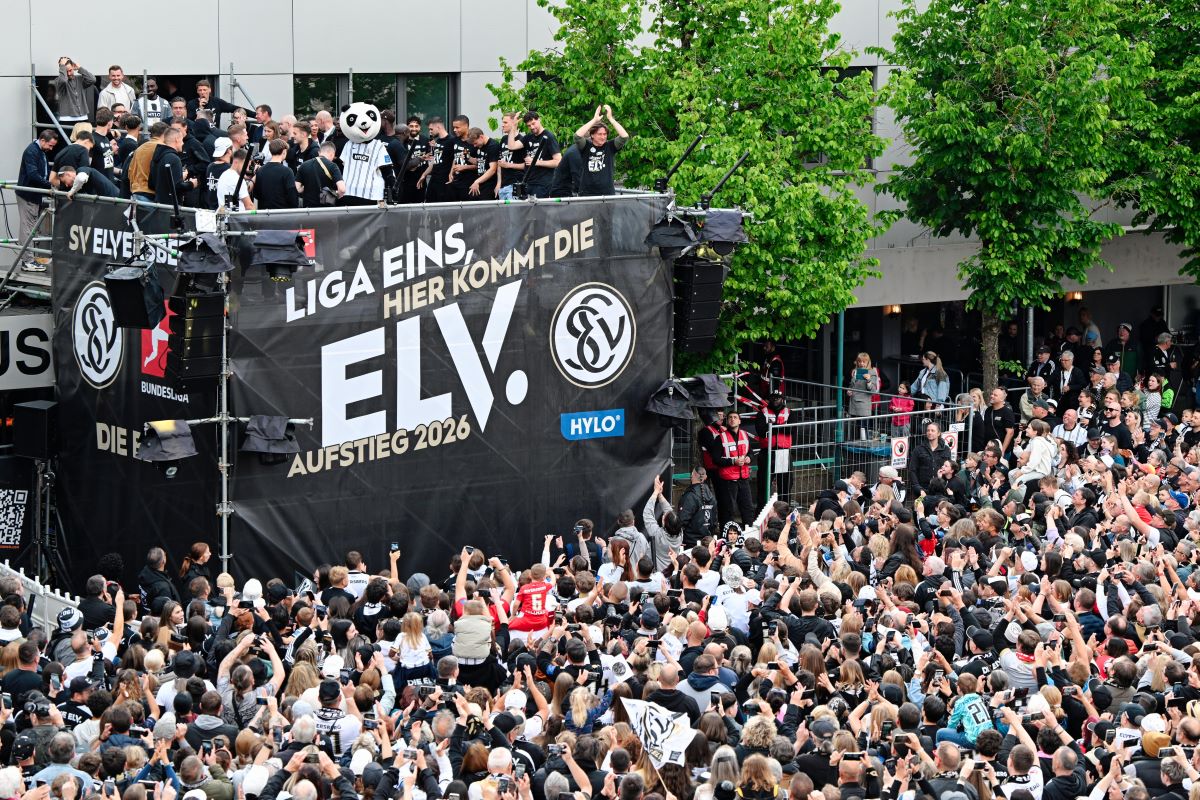
And there's plenty of uncertainty about what might happen lower down the league. Schalke 04 are back in the top flight after a season away, while SC Paderborn return to the Bundesliga and SV Elversberg prepare for their first-ever campaign at this level.
READ ALSO: What are the rules around online sports betting in Germany?
For many neutrals, Elversberg – based in the small Saarland municipality of Spiesen-Elversberg – embody one of the most appealing aspects of German football: the possibility that a community club can still share a stage with the likes of Bayern Munich and Borussia Dortmund.
Elversberg could also play an important role in developing the country's future stars with on-loan prospects Francis Onyeka and Noah Darvich expected to get regular minutes on the pitch.
And there are plenty of other young talents to watch. Dortmund supporters are particularly excited about Greek international Konstantinos Karetsas, a gifted teenage playmaker who arrived this summer from Belgian team KRC Genk.
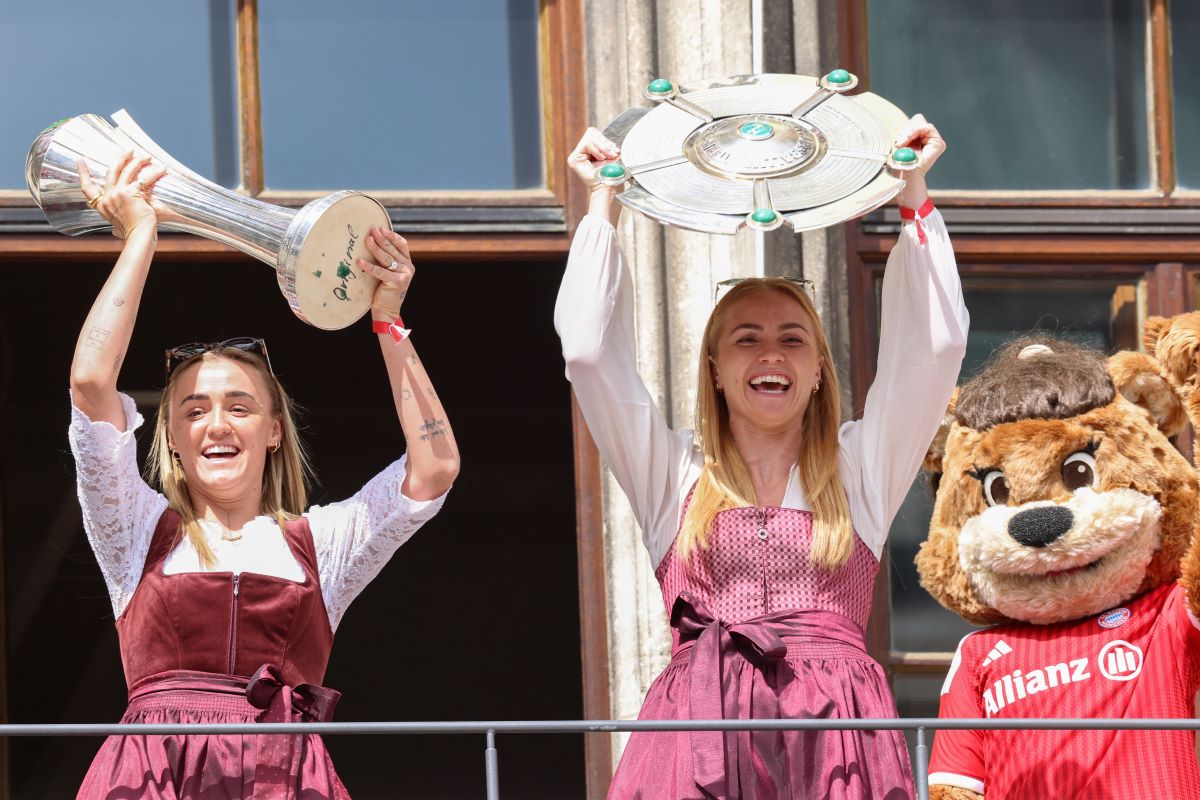
The women’s game is entering an important season too. The Frauen-Bundesliga now features 14 clubs rather than 12, increasing the schedule from 132 to 182 matches. The expansion is part of a wider effort to build on rising attendances, growing television audiences and the momentum generated by the success of the women’s national team.
Here the biggest question of the season is whether Bayern Munich and Wolfsburg can maintain their dominance, or if rivals such as Eintracht Frankfurt can mount a serious challenge.
How to watch Bundesliga football from home – or from the stands
Following German football from home is straightforward, but there is a catch: if you want to watch every men's Bundesliga match live, you'll need more than one subscription.
In the men's game, Sky Deutschland (or its streaming service WOW) broadcasts the Friday night match, all Saturday afternoon fixtures and the Saturday evening "top match".
DAZN holds the rights to all Sunday matches, as well as the Saturday afternoon conference broadcast.
If you're only planning to buy one subscription, Sky or WOW is probably the better choice for newcomers. It includes the largest number of Bundesliga matches, as well as the traditional Saturday afternoon kick-offs.
READ ALSO: Ice hockey to basketball - How to find tickets for sports games in Germany
Thankfully, it is still possible to follow the league without paying for live subscriptions. The season-opener between Bayern Munich and VfB Stuttgart on Friday evening will be shown live on free-to-air television, and selected Bundesliga matches throughout the season will also appear on channels such as Sat.1 and RTL.
Fans can also watch ARD’s Sportschau highlights show on Saturdays from 6:30 pm, while ZDF's Sportstudio offers further coverage later on Saturday evenings. Sunday highlights are also available free of charge.
In the women’s game, every Frauen-Bundesliga match is available live through MagentaSport and DAZN, while selected games are shown on free-to-air broadcasters including Sport1, ARD and ZDF.
Most neighbourhoods in Germany also have at least one bar showing Bundesliga games, which is an option for anyone who would rather spend their money on drinks instead of subscriptions. The only catch here is that many of these bars are partisan - supporting Bayern Munich in a Dortmund bar, for example, would go down badly.
Of course, the best way to experience German football is in person. Demand for men's Bundesliga tickets remains extremely high, with many clubs routinely selling out their stadiums. The safest approach is to buy through official club ticket shops or club-authorised resale platforms.
Women's matches are generally cheaper and much easier to access, making them a particularly attractive option for families, newcomers and anyone keen to experience German football culture without spending a fortune.
Why watching football in Germany feels different
German football remains one of the country’s most important cultural institutions. Last season Bundesliga stadiums were more than 96 percent full on average, with over 12 million spectators attending matches. At several clubs, season-ticket waiting lists stretch for years.
Football in Germany is still closely tied to local identity. A club often represents a city, a neighbourhood or an entire region.
This culture is connected to Germany’s famous 50+1 rule, which generally requires club members to retain voting control. Many supporters argue that the rule helps preserve a stronger fan voice, relatively affordable ticket prices and Germany's distinctive standing-terrace culture.
It also means the matchday experience in Germany can feel very different from that found in many other countries – and very different from stadium to stadium.
Borussia Dortmund’s famous Yellow Wall remains one of football’s great spectacles, for example, while Union Berlin's intimate stadium creates a sense of community that has become legendary.
The system isn’t perfect – this is still football, after all – but many newcomers believe that the sport in Germany feels less commercial and more community-oriented compared with other countries.
READ ALSO: Jugger to Sporthocking - Six off-the-wall German sports everybody should try
How to choose a club
For new fans, the decision on which team to support is likely to be connected to where you settle in Germany. For others, a certain story, colour scheme or player might call from across the country.
Broadly speaking, if you enjoy success and world-class players, Bayern Munich may be the team for you.
If you want a spectacular stadium atmosphere, Dortmund is difficult to beat.
Union Berlin tends to appeal to fans who enjoy a sense of community and tradition, while Schalke offers one of Germany’s most passionate fan cultures.
Many newcomers are attracted to clubs with distinctive identities, from cosmopolitan Frankfurt to fan-focused St. Pauli.
But there’s no wrong answer and often the best approach is to go along to a couple of games and see what happens. Maybe you’ll hate it – or maybe you’ll find yourself joining in with the chants and hugging complete strangers in the stands.
Just a few weeks later, you could be discussing promotion battles, transfer rumours and refereeing decisions like an old hand. And that, ultimately, is the real joy of football in Germany. It is not just a sport to watch, but a community you can join.
Comments (1)