
Today's top story: AfD tops Berlin election poll for first time
Berliners will got to the polls to elect a new city House of Representatives on September 20th.
And a new poll has placed the far-right Alternative for Germany (AfD) in the top spot for the first time in the capital.
The poll by the opinion research institute INSA placed the AfD, led by its lead candidate Kristin Brinker at 19 percent of the vote.
The Left Party, or Die Linke, and the Christian Democrats (CDU) were close behind with 18 percent each. The Greens received 16 percent in the poll, the while the Spcial Democrats (SPD) scraped 13 percent.
The liberal FDP, with four percent, would fail to win a seat in the House of Representatives, as would the BSW (also four percent).
The INSA election poll was commissioned by the right-wing populist outlet NIUS. The poll’s results are surprising, as just a week ago the Infratest dimap institute conducted a survey on behalf of Berlin broadcaster RBB which yielded different results.
In the Infratest poll, the Left Party led with 22 percent, ahead of the CDU (20 percent) and the Greens (17 percent). The AfD came in fourth with 16 percent.
Even if the AfD won the most votes at the election it would have no realistic chance of forming a government as mainstream parties in Germany have a 'firewall' against working with them.
READ ALSO: German word of the day - Brandmauer
Merz plans major reshuffle following Spahn resignation
German Chancellor Friedrich Merz is preparing a sweeping reshuffle of his government and the leadership of his conservative CDU party, following the resignation of parliamentary leader Jens Spahn.
Merz is due to unveil the full package at 9am on Friday, with the shake-up likely to be much bigger than previously expected.
The Chancellor confirmed on Wednesday that his chief of staff, Thorsten Frei, would leave the Chancellery to replace Jens Spahn as leader of the CDU/CSU parliamentary group.
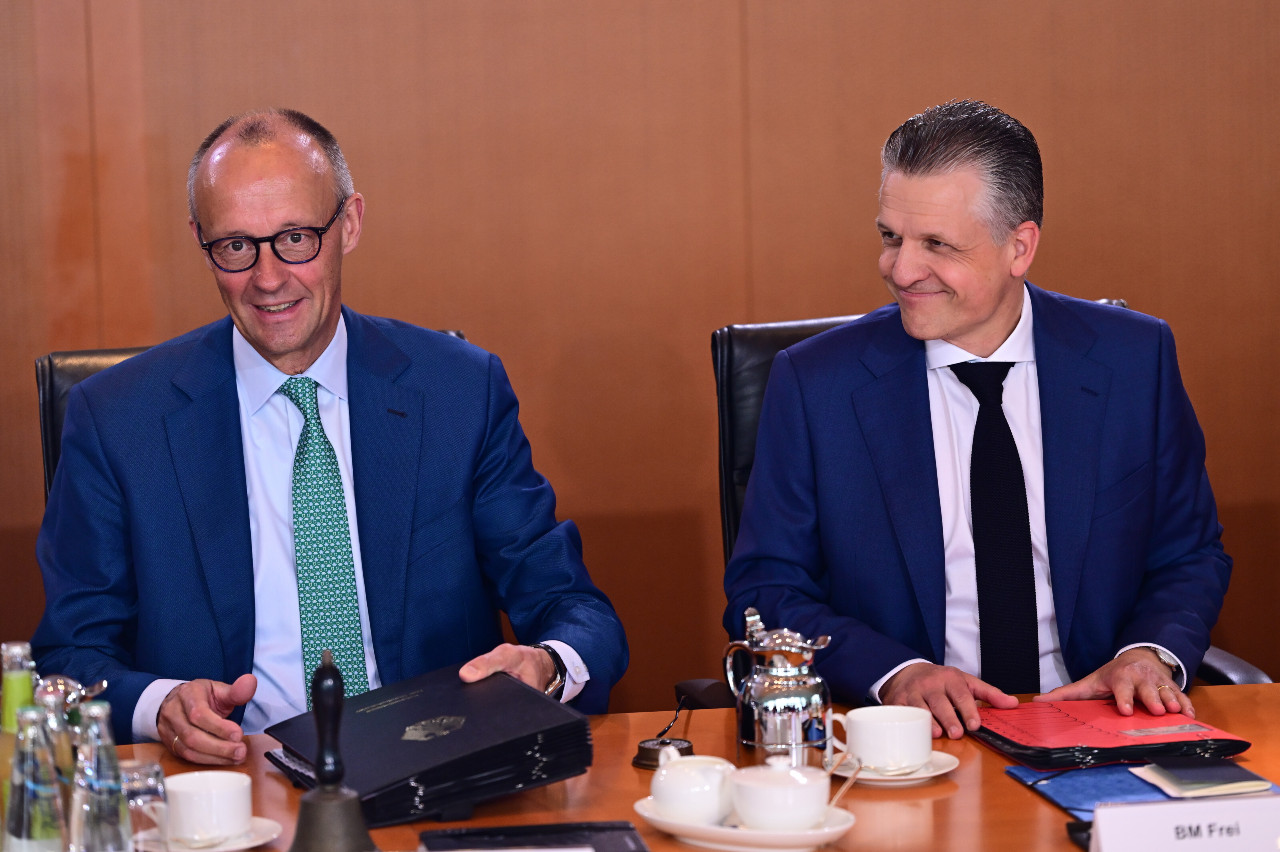
According to information obtained by DPA, Health Minister Nina Warken is now expected to take Frei’s place as head of the Chancellery.
CDU general secretary Carsten Linnemann would in turn succeed Warken as health minister, while the party’s current treasurer, Franziska Hoppermann, would take over Linnemann’s role as the CDU’s chief organisational official.
Philipp Amthor, currently a parliamentary state secretary in the Digital Ministry, is also reportedly set to move to the Chancellery. He is expected to replace the minister of state responsible for relations between Germany’s federal government and its 16 states.
Reports by the ARD Haupstadtstudio on Friday morning also suggested that a surprise rejig would see Patrick Schneider removed from the Ministry of Transport and replaced by Fritz Güntzler.
Spahn resigned from the cabinet last Friday after receiving a barrage of criticism from within his own party over his choice to pay a surrogate mother in the US to carry his child. Surrogacy arrangements are against the law in Germany.
READ ALSO: What are Germany's rules on having a baby through surrogacy?
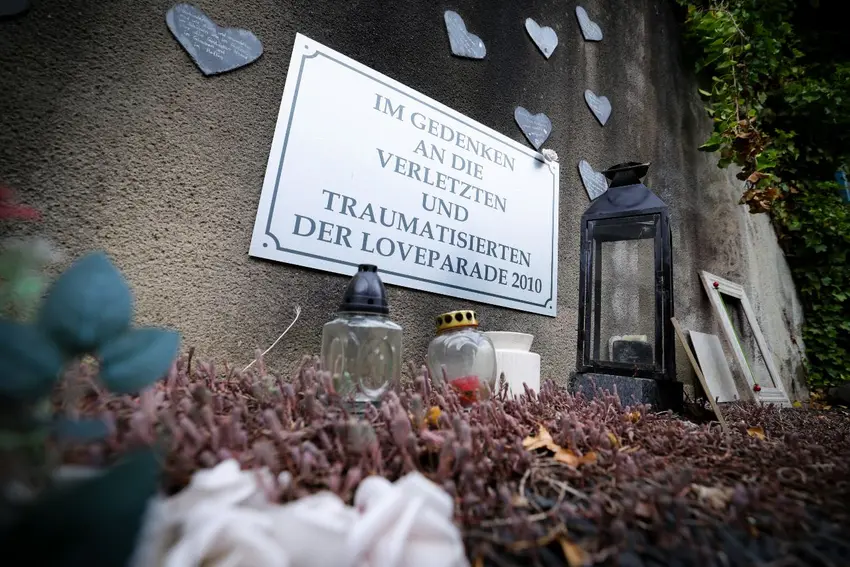
Duisburg remembers Love Parade victims 16 years after tragedy
The western German city of Duisburg will hold a memorial ceremony on Friday for the 21 people killed in the Love Parade disaster 16 years ago.
Relatives of the victims have been invited to attend a private service before a public commemoration begins at 4:30pm in the road tunnel where the overcrowding that led to the deaths occurred.
It is the first time the city itself has organised the anniversary events, after the victims’ foundation that previously oversaw them was dissolved. Duisburg officials said the established commemorations would nevertheless continue largely unchanged.
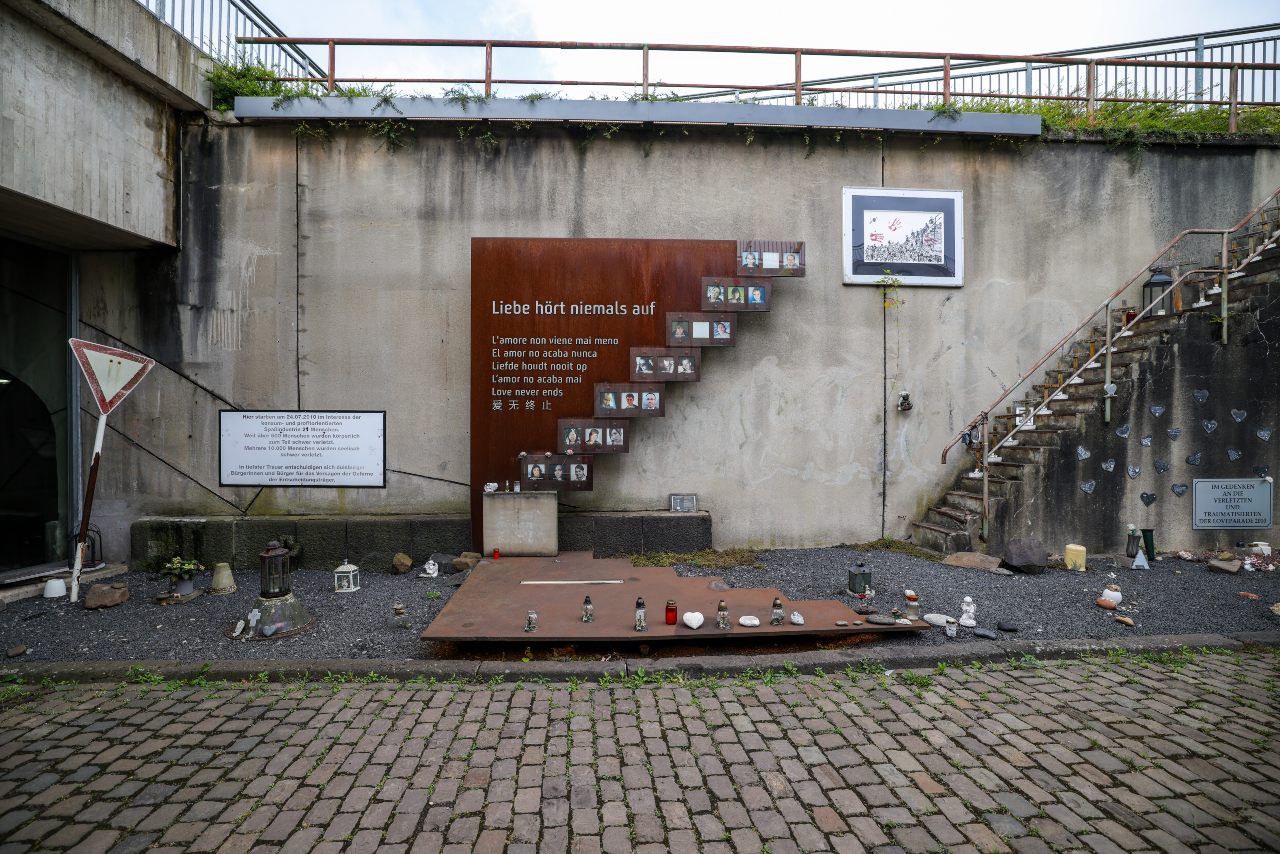
The disaster occurred on July 24th, 2010, when huge crowds became trapped around the only entrance and exit to the techno festival site.
Twenty-one young people aged between 17 and 38 were killed, while several hundred others were injured.
Subsequent investigations and expert reports identified numerous failings in the planning and approval of the mass event. However, no individual was ever held legally responsible for the deaths.
One longstanding part of the commemorations will not take place this year. The “Night of 1,000 Lights”, an emotional candlelit gathering traditionally held at the scene on the evening before the anniversary, has been discontinued.
A city spokesperson said the event had always been organised by people directly affected by the tragedy, who would not be continuing the tradition this year. The city has pledged to ensure that the victims and the events of July 2010 are not forgotten.
Volkswagen profits fall by a third as further job cuts loom
Volkswagen’s quarterly profits have fallen by almost a third as the German carmaker considers further sweeping job cuts and factory closures.
The Wolfsburg-based group reported net profits of €1.54 billion between April and June, down 32.9 percent from €2.29 billion in the same period last year.
Vehicle deliveries also fell by nearly nine percent year on year to 2.08 million. Sales in China, one of Volkswagen’s most important markets, dropped by more than a third to 424,300 vehicles, while performance outside China was somewhat stronger.
The downturn could now lead to further major cuts across the company. Volkswagen CEO Oliver Blume is reportedly considering eliminating up to 50,000 additional jobs worldwide, while four German plants are also under review.
READ ALSO: Volkswagen reportedly weighing more large-scale job cuts
These measures would come on top of previously announced plans to cut 50,000 German jobs by 2030. Of these, 35,000 are due to go at the core VW brand, with the remainder at subsidiaries such as Audi and Porsche. More than 37,000 employees have reportedly signed redundancy agreements.
However, the latest proposals face resistance from trade unions, the works council and the state of Lower Saxony, which owns 20 percent of Volkswagen. According to DPA, the plans were initially rejected by the company’s supervisory board.
Germans remain unwilling to spend as prices soar
Consumer confidence in Germany remains stuck at a low level as rising fuel costs and gloomy income expectations encourage households to save rather than spend.
The latest consumer confidence survey by the Nuremberg-based NIM and GfK institutes found that sentiment had dipped slightly compared with the previous month.
“Consumer sentiment remains largely unchanged,” said NIM consumer expert Rolf Bürkl. “The continuing uncertainty means that many households are still reluctant to spend.”
Researchers attributed the decline primarily to weaker expectations about future income and a growing inclination to put money aside. Petrol prices have also risen sharply since a temporary fuel discount expired at the end of June, adding further pressure on household budgets.
There were some positive signs, however: consumers were slightly more willing to make major purchases, while expectations for the wider economy had also improved.
But the renewed tendency to save suggests that many people still believe it is wiser to hold on to their money as they face uncertainty about the future.
With reporting by Rachel Loxton, DPA and AFP.
Comments