
Before the mega‑festivals of high summer take over fields and raceways, Germany quietly eases itself into the season with a run of spring festivals that can feel more intimate and – for many – more rewarding.
What links them isn’t genre, but atmosphere. These are contemporary music festivals designed to let attendees shake the winter out of their bones among like‑minded people, whether that means dancing next to a lake, in a castle or discovering new bands in local clubs.
And, because they tend to be smaller than the vast summer extravaganzas, they also offer a great way to explore different regions, cities and scenes without committing to four days of mud and sweat alongside 80,000 strangers.
At the time of writing, all the festivals listed still have tickets for sale – though not always at the lowest price points or in all categories.
April 15th – 19th: Polimagie Festival, Dresden
The Polimagie (diverse magic) Festival is a compact, thoughtfully curated club festival spread across venues centred on the Beatpol club in Dresden.
Rather than chasing big names, Polimagie focuses on forward‑thinking pop, rock and alternative music, with a noticeable fondness for artists who sit outside the mainstream.
The 2026 line‑up reflects that ethos perfectly. Belgian rock favourites Triggerfinger bring years of live experience, while Sweden’s Shout Out Louds add a melodic indie counterpoint.
Elsewhere, Sprints deliver urgent post‑punk energy and Ghostwoman lean into darker, psychedelic rock territory.
Polimagie is aimed at music‑focused festivalgoers who prefer smaller crowds, close proximity to artists and conversations at the bar over headline hysteria. Full‑festival tickets start at around €80, with day tickets also available.
READ ALSO: How to maximise your public holidays like a German this spring
May 21st – 24th: Schlossgrabenfest, Darmstadt
The Schlossgrabenfest is one of Germany’s largest inner‑city music festivals, unfolding around the palace and parkland of Darmstadt, just south of Frankfurt.
Over four days, multiple stages fill the city centre with music, blending the feel of a classic open‑air festival with the convenience of an urban location. Musically, the programme is intentionally broad, covering pop, rock, indie, hip‑hop and electronic sounds, and mixing nationally known artists with regional and emerging acts.
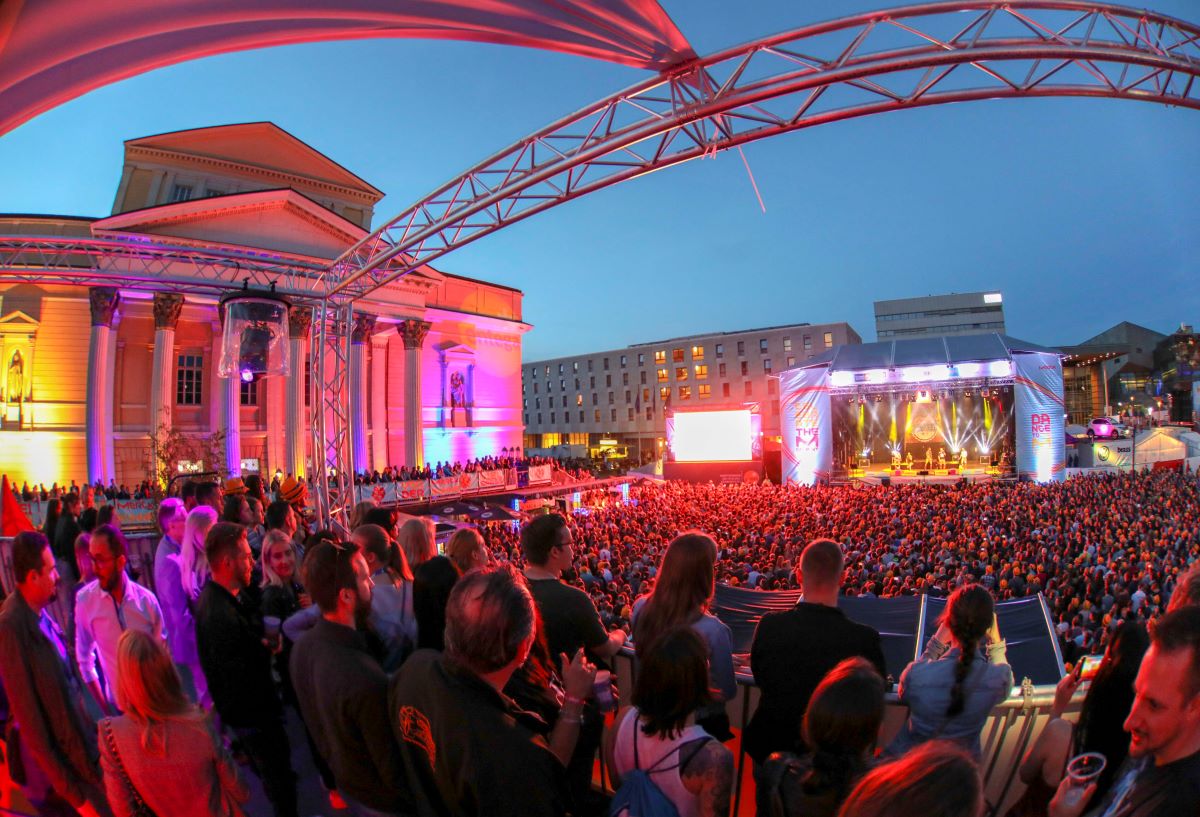
The crowd reflects that diversity. Younger music fans and students mix easily with families and older visitors who come as much for the communal atmosphere as for specific names on the bill.
Festival tickets cost around €90 for multi‑day access, with day tickets also available.
May 22rd – 25th: Africa Festival Würzburg
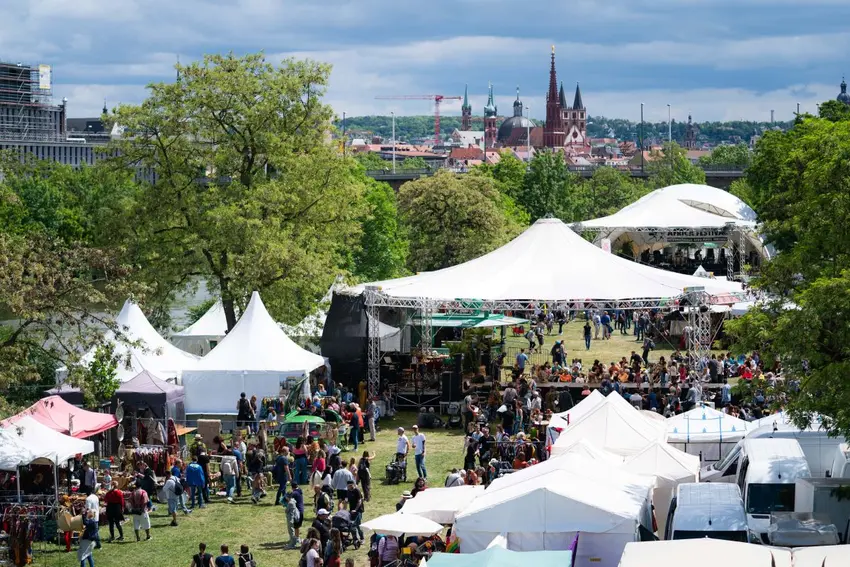
The Africa Festival Würzburg is one of Europe’s longest‑running celebrations of African music and culture. Spread across the city of Würzburg in upper Bavaria, it combines live concerts with markets, food stalls and cultural programming.
Musically, the festival ranges from reggae and Afro‑pop to hip‑hop, Afrobeat and traditional styles.
The audience is culturally curious and multi‑generational.
Day passes usually start at around €60, with multi‑day tickets also available.
May 22nd – 25th: Sputnik Spring Break, Bitterfeld
While the other festivals on this list tend to be smaller and more intimate, Sputnik Spring Break is where Germany’s spring festival season turns up the volume.
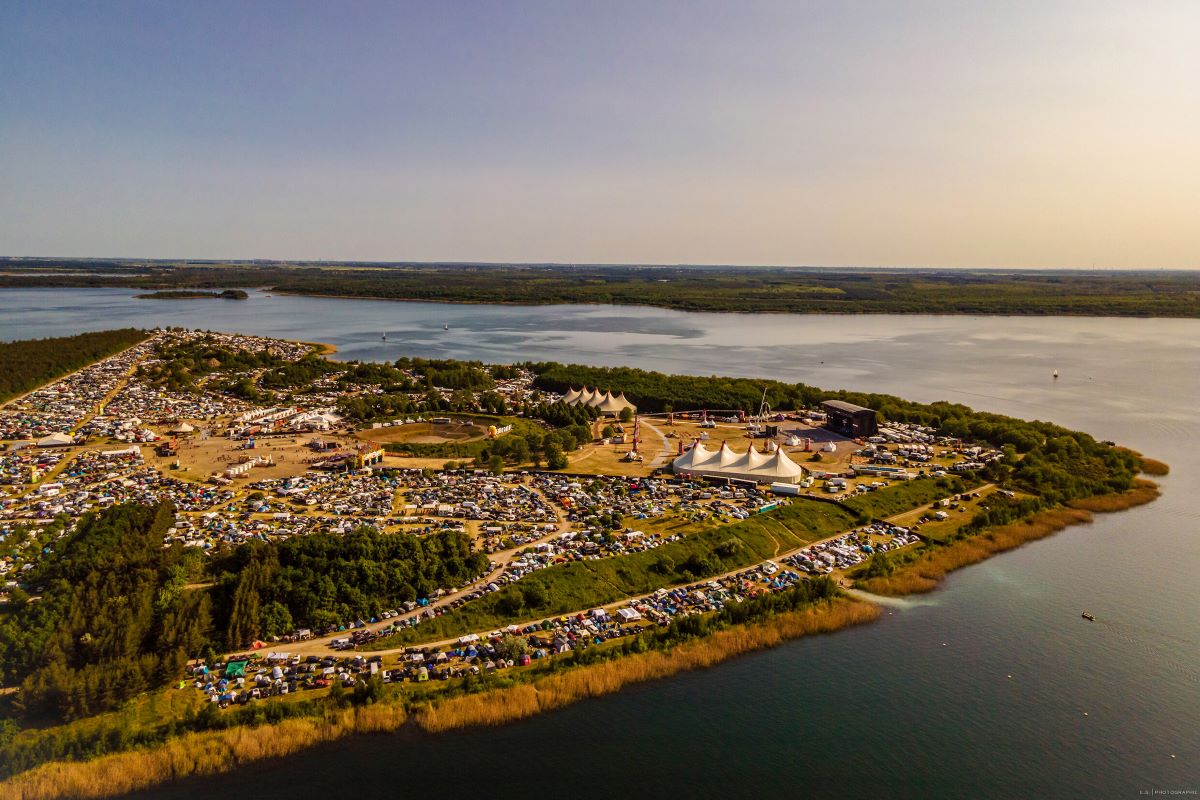
Held on the Pouch Peninsula at Goitzsche Lake near Bitterfeld, the festival has a reputation as one of the country’s biggest “season openers” and mostly attracts a younger audience.
The 2026 line‑up crosses electronic music, hip‑hop and rock, with well‑known German rap acts, EDM performers and mainstream festival favourites. This is less about niche discovery and more about non‑stop energy.
READ ALSO: Six things you have to do in Cologne in the spring
Camping, late‑night sets and large communal areas are at the heart of the experience, and the expectation is that you’ll stay on site and treat it as one long, hedonistic weekend rather than a series of concerts.
Tickets typically start at around €100, with camping passes added on. Comfort and quiet take a back seat here – the emphasis is squarely on scale, spectacle and continuous entertainment.
May 28th – 31st: Festival ohne Bands, Hailtingen
Festival ohne Bands (Festival without Bands) does exactly what its name promises – and that’s the point. Held in a rural area near Hailtingen in southern Germany, the event rejects the traditional band‑on‑stage model entirely.
Instead, music comes from DJs, playlists and sound systems assembled by organisers and attendees alike. Visitors are encouraged to build their own party spaces, decorations and mini‑stages on the extensive camping site, turning the audience into the main attraction.
Musically, everything from rock and pop to electronic and party classics appears, but without fixed timetables or headline concerts.
The festival mainly attracts people who love festival culture itself – camping, costumes and social energy – more than any particular genre. Tickets usually cost around €70, with camping included and generally regarded as essential to the experience.
READ ALSO: Nine hip-hop tracks that will help you learn German
May 28th – 30th: Immergut Festival, Neustrelitz
The Immergut (always good) Festival offers one of the calmest and most reflective starts to the festival summer. Held near a lake in Neustrelitz, north of Berlin, it focuses on indie rock, pop and electronic music in a relaxed natural setting.
The 2026 programme brings together international and German artists with an emphasis on songwriting, atmosphere and curiosity rather than hype. It’s a festival where people come to listen as much as to dance.
Immergut attracts an audience that values intimacy, discovery and thoughtful curation. Regulars often return year after year for the atmosphere as much as the line‑up.
Tickets cost around €120 for the full festival. Camping is available and central to the experience, with the campsite close to both the stages and the lake.
Comments