
Wednesday's top story: Investigation launched after hundreds of passengers had to sleep aboard planes in Munich
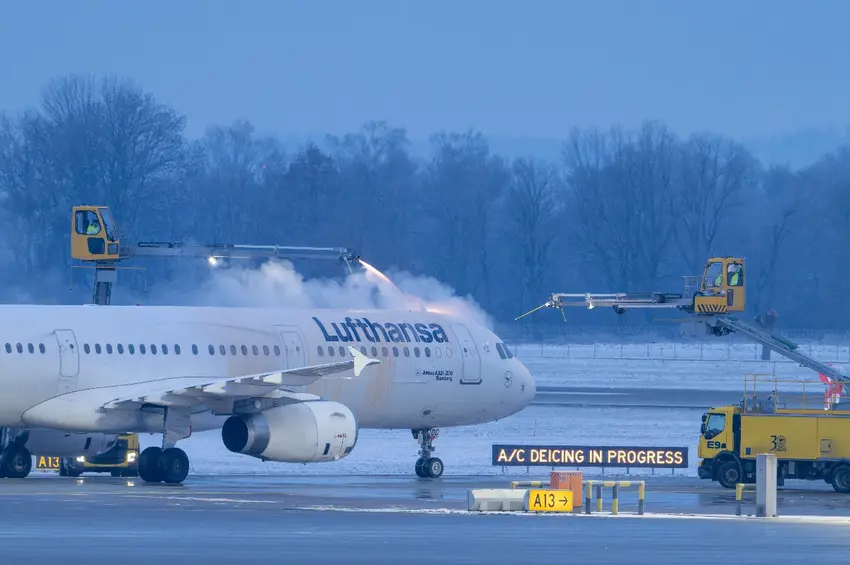
A probe has been launched after around 600 passengers were forced to spend the night in planes on the runway at Munich airport during heavy snowfall last week.
Six flights were unable to take off before the airport's 1am curfew due to the bad weather on Thursday and the early hours of Friday, the airport said. As no buses were available, passengers could not be transported back to the terminal.
Now the incident is reportedly being investigated by police following a complaint. Authorities have not yet commented on whether any potential criminal offences are being considered. The public prosecutor's office has also not weighed in.
Five of the six flights belonged to the Lufthansa Group. On Monday, the airport and Lufthansa issued a formal apology. "Lufthansa contacted the affected passengers on Friday," said a spokesperson for the airline. "The guests will receive appropriate compensation payments."
The company apologised for the "unacceptable situation". Together with Munich Airport, the airline said it was doing everything possible to ensure that such mistakes do not happen again.
Around 100 flights were cancelled in Munich in total due to the weather.
German parties push back on planned stricter US entry rules
Plans by the United States to tighten entry requirements are meeting with broad resistance in Germany, with politicians and business groups warning of disproportionate measures and risks to civil liberties and business travel.
From mid‑2026, travellers to the US are expected to disclose significantly more personal information, including social media data.
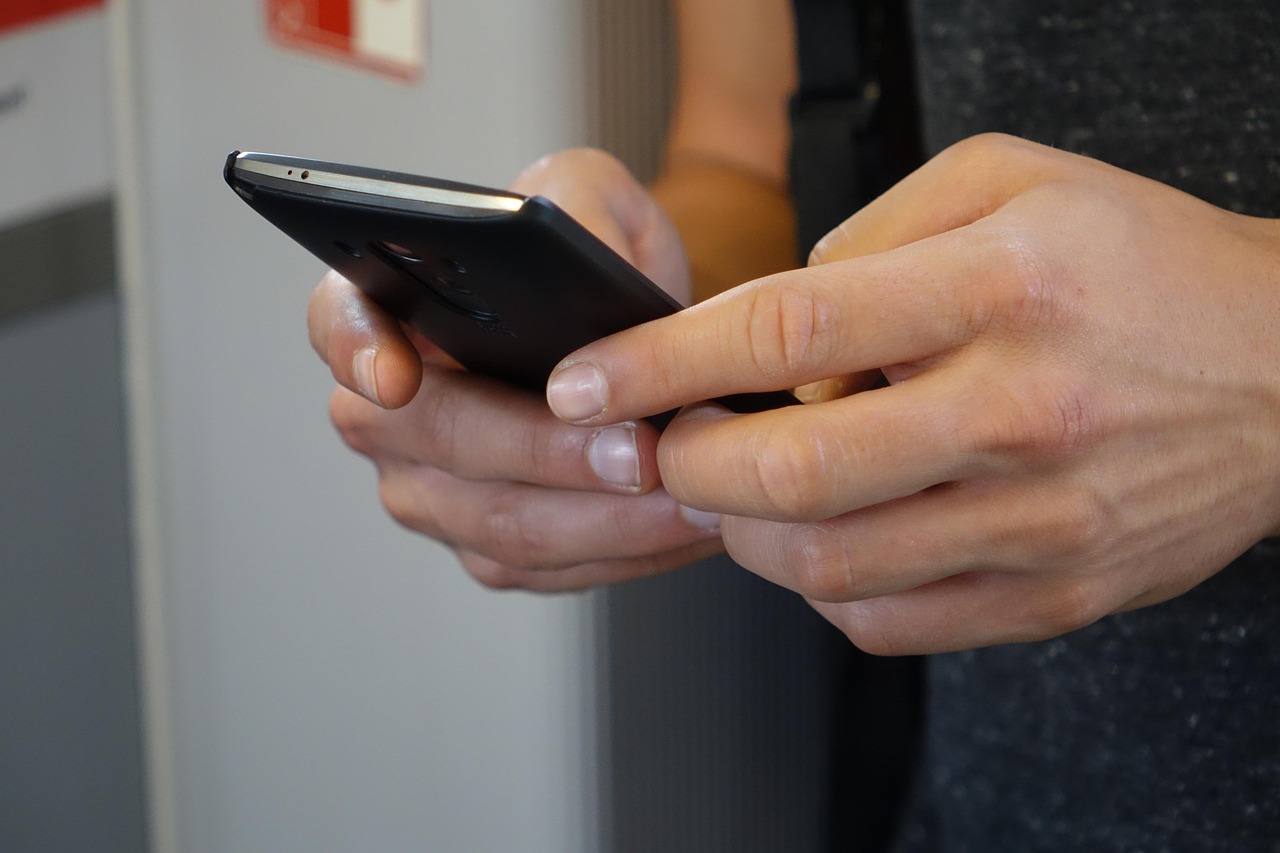
Sebastian Roloff, the SPD’s economic policy spokesperson, criticised the plans as excessive in comments to Handelsblatt, warning that unclear criteria could lead to “unjustified rejections” if social media posts are misinterpreted or taken out of context.
He called on the German government to actively raise these concerns with Washington, citing potential negative effects on business travellers.
Similar criticism came from the CDU. Also in Handelsblatt, foreign policy expert Roderich Kiesewetter said civil rights should not "end at the counter of US immigration authorities", describing the measures as resembling surveillance practices seen in authoritarian systems.
He also warned that forcing travellers to disclose years of digital communications could expose companies to industrial espionage.
Business groups echoed these concerns. The German Business Travel Association urged Berlin and the EU to intervene, arguing that the planned rules go well beyond what is proportionate or practical and could significantly reduce willingness to travel to the US for work.
Foreign doctors helping labour shortage in Germany
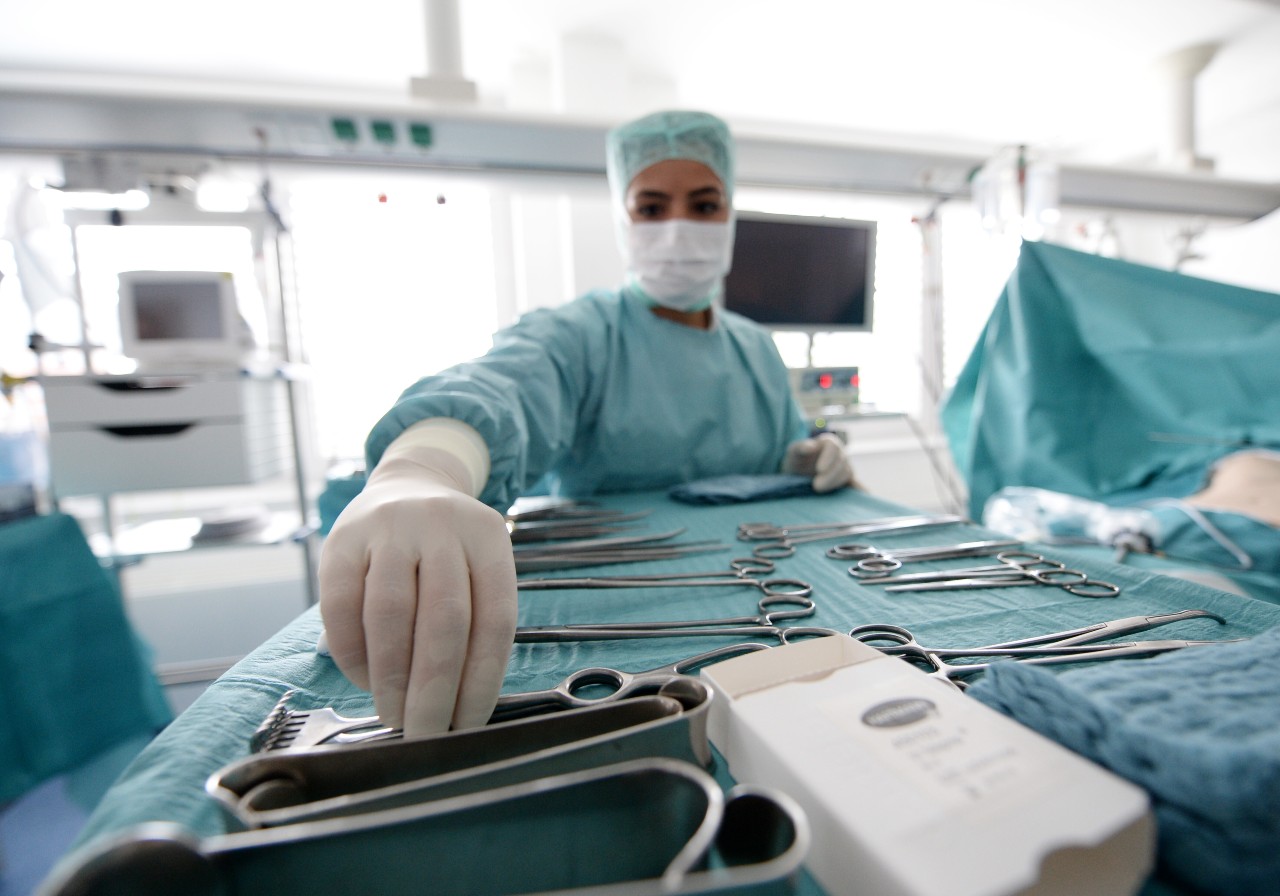
An increasing number of foreign doctors are working in Germany, official figures show.
A total of 64,000 or 13 percent of all doctors in 2024 did not have German citizenship. A decade earlier, that figure was 30,000 or seven percent.
Immigration from abroad is important because a large proportion of doctors in Germany will retire in the next few years due to their age, says the Federal Statistical Office.
In 2024, almost a third of doctors were over the age of 55. Younger people in particular are immigrating at an above-average rate: almost half of foreign doctors were younger than 35 in 2024.
Calling German chancellor 'Pinocchio' is free speech, says court.
German prosecutors say calling Chancellor Friedrich Merz "Pinocchio” on Facebook is covered by freedom of expression.
The remark appeared among nearly 400 responses to a Facebook post by Heilbronn police announcing a one-day flight ban during Merz’s visit to the south-western city in October last year. Police forwarded 38 comments to the public prosecutor's office and asked for them to be investigated for criminal liability.
Among the comments was one from a pensioner. "Pinocchio is coming to HN (Heilbronn)," he wrote, adding an emoji depicting the fictional wooden puppet whose nose grows when he lies.
However, this week prosecutors in Heilbronn announced they had dropped proceedings over the "Pinocchio" post "because this is a criticism of power that is covered by freedom of expression and is therefore permissible".
Based on these considerations, another case involving the same description was also dropped, according to a statement.
Other comments are being investigated.
READ ALSO: FACT CHECK - Is it fair to say that Germany doesn't have a right to free speech?
Merz arrives in China for talks on trade and security
Finally, Chancellor Friedrich Merz touched down in China on Wednesday, beginning his inaugural visit to his country's largest trade partner and a high-tech rival as Europe's biggest economy struggles.
Berlin and Beijing want to build on their decades-old economic ties at a time when US President Donald Trump has sparked global chaos with his tariffs blitz and other erratic foreign policy moves.
But Merz is also expected to stress German and European interests in his talks on Wednesday with President Xi Jinping, including by urging him to put pressure on China's ally Russia to end the war in Ukraine.
Merz said recently he was going to Beijing, with a large business delegation in tow, in part because export-dependent Germany needs "economic relations all over the world".
Soon after landing, Merz met with Premier Li Qiang in Beijing's opulent Great Hall of the People, where representatives from both sides signed agreements and memorandums including on climate change and food security.
On Thursday, Merz is to visit Beijing's Forbidden City, then a Mercedes plant where autonomous driving vehicles will be presented.
The chancellor then travels to AI hub Hangzhou to visit the robotics group Unitree and German turbine maker Siemens Energy. German businesses have given Merz a to-do list on his trip.
With reporting by AFP and Tom Pugh
Comments