
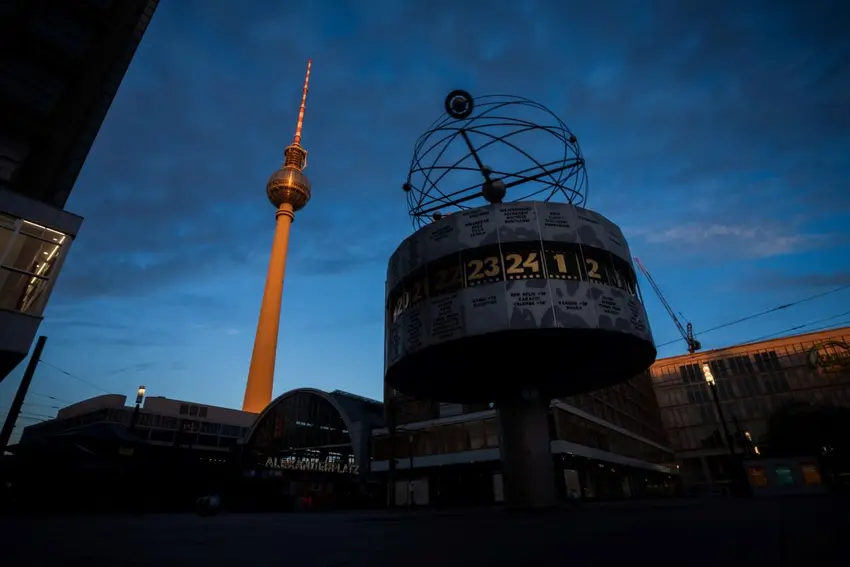
March in Germany always feels like a turning point. After months of ice, snow and temperatures stubbornly below zero, many residents will be looking forward to longer days, the first hints of spring and, yes, brighter evenings.
But as the clocks get ready to change, so do a surprising number of rules and regulations.
Schufa opens the black box on credit scores
One significant change for many residents arrives at the end of March, when Schufa is set to make its credit score more transparent.
For the first time, consumers will be able to view their score online free of charge by registering for a Schufa account. The only requirement is a one-time registration. Anyone interested should sign up on the waiting list here.
READ ALSO: Everything you need to know about Germany's 'Schufa' credit score
Given the importance of your Schufa score for everything from renting a flat to getting a phone contract or taking out a loan in Germany, this represents a meaningful development.
It may also bring an opportunity to improve your score: Being able to spot incorrect or outdated entries – and have them corrected – could allow you to improve your score or even save money, for example if that improves the interest rate you get on a loan.
Temporary protection extended for Ukrainian refugees
For refugees from Ukraine, one key piece of information to note is that temporary protection in Germany has been extended until March 4th, 2027.
For those affected the extension is significant, allowing people to plan their lives with a little more confidence rather than living from one deadline to the next. The decision was made in part to reduce pressure on already stretched immigration authorities by avoiding unnecessary renewal procedures.
Ukrainians with “§24 AufenthG” residence permits originally due to expire in March 2026 don’t have to do anything because the permits extend automatically.
But some advice centres are recommending that people with permits showing expired dates should still carry a printed reference to the extension regulation when dealing with employers or authorities to help avoid confusion.
READ ALSO: How Ukrainian refugees have rapidly integrated in Germany
Travelling: Border checks, EES and ETA updates
If you’re planning to travel in or out of Germany in March, there are three ongoing developments worth keeping in mind all involving border checks.
First, Germany’s land border controls are not ending as previously expected. Checks had been due to stop in mid‑March, but the federal government has decided to extend temporary controls once again at all land borders, including Austria, Poland, France and the Netherlands. Border controls will continue until September at least.
These are spot checks rather than full border controls but delays remain possible, especially when crossing by car, bus or train. People travelling near borders are still advised to carry a valid ID or residence document.
READ ALSO: '4-hour queues' - Europe's airlines and airports fear summer travel chaos
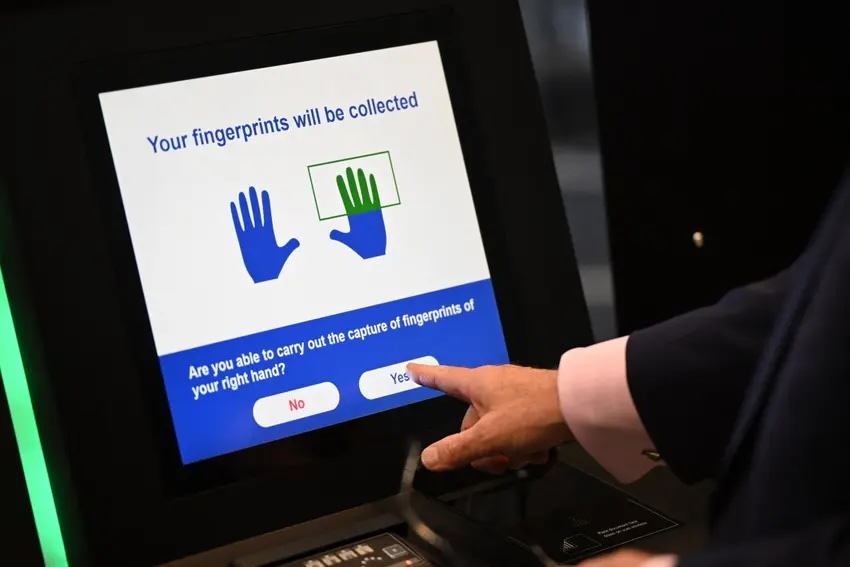
Second, EES continues to be rolled out at more and more airports ahead of full implementation in April. This new EU system applies to non‑EU travellers entering the Schengen area for short stays and is designed to replace passport stamps with fingerprinting and a facial scan.
EU citizens and German residents aren’t affected, but visitors from outside the EU should expect longer waits, particularly the first time they use the system.
Finally, by the beginning of March, travel to the UK requires an ETA for most travellers, including EU citizens. From late February, airlines and border staff are expected to enforce this even more strictly, according to reports.
READ ALSO: 'Punished for having dual citizenship' - Brits in Germany angry over UK passport rules
Clocks spring forward
On March 29th, the clocks move forward from 2 am to 3 am, ushering in daylight saving time. You’ll lose an hour of sleep but gain longer, lighter evenings in return.
Most devices will update automatically, but it’s still worth double‑checking alarms, work shifts and travel plans. For anyone juggling international calls or shift work, the change can briefly complicate schedules.
New insurance plates for e‑scooters and mopeds
March also marks the start of a new insurance year for e‑scooters and mopeds.
From March 1st, vehicles must display a new insurance plate (black this year, with older colours no longer valid). Riding without the correct plate risks a fine.
If you own or rent an e‑scooter or moped long‑term, this is one of those quietly important German deadlines that’s easy to overlook – and best dealt with before the spring riding season begins.
READ ALSO: Which vehicles can you drive without a licence in Germany?
Pensions
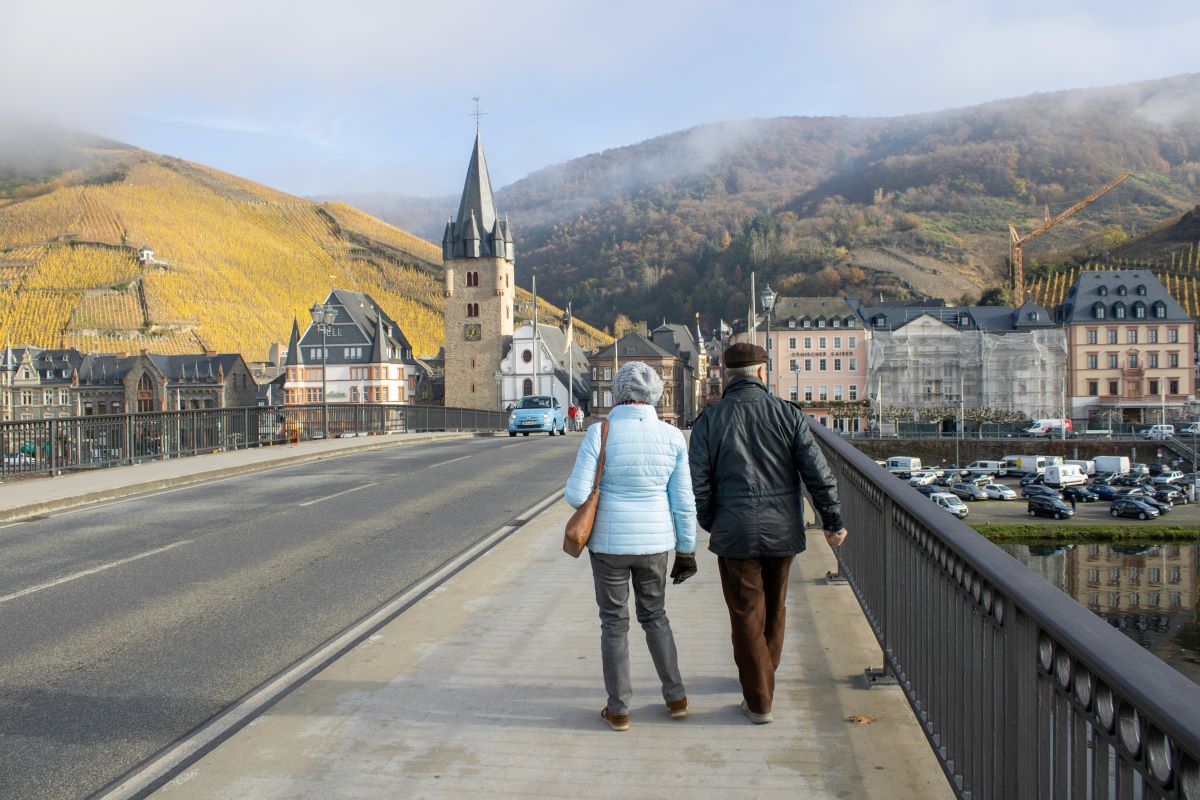
For pensioners, March brings two major developments.
First, at the start of the year many public health insurance companies increased their additional contributions to an average of around 2.9 percent.
For pensioners, these contribution increases are now set to appear in their pension calculations for March. The reduction is expected to be small, but noticeable for those on tight budgets.
Second, March is when the government announces the statutory pension adjustment that will take effect from July.
While there’s no immediate cash impact, this legally binding decision determines how pensions will rise later in the year – so it’s worth keeping an eye out for the decision.
READ ALSO: What Germany's incoming 'active pension' means for older workers
Discord introduces mandatory age verification
From early March, the online platform Discord will begin a phased rollout of mandatory age verification.
Discord is a popular communication service used for gaming, study groups, communities and work‑adjacent chats, and users will now need to verify their age via ID or a facial scan to use it without restrictions.
This change affects you only if you use Discord. Foreign IDs are generally accepted, though verification may take longer. Users who don’t complete the process can expect reduced functionality.
READ ALSO: Will Germany ban social media for children?
Local elections
Municipal and district elections take place in Bavaria on March 8th, offering an opportunity for residents to cast a vote and have a say on topics including housing, schooling, public transport, and social integration.
In addition to German citizens, nationals of other EU member states who are at least 16 years old on election day can vote, providing they have been living in the relevant municipality for at least 16 days before the election.
State elections also take place in Baden‑Württemberg on March 8th and in Rhineland‑Palatinate on March 22nd.
Only German citizens are allowed to vote in these elections (including 16 year olds for the first time in Baden‑Württemberg), but the results will concern everyone as they can impact everything from education policy to transport.
Labels, hedges and other quiet changes
Finally, March brings a handful of lower‑impact but still noticeable changes that mostly sit in the background of daily life – the kind you may not actively think about, but will quietly shape how you shop, order online or tend your garden.
One of these comes from Brussels rather than Berlin. New EU‑backed rules against greenwashing are designed to crack down on vague or misleading environmental claims.
In practice, this means companies will have to be much more careful about using terms such as “climate‑neutral” or “environmentally friendly” unless they can properly back them up. For consumers, the change is subtle but positive: sustainability labels should become clearer and more trustworthy, rather than a marketing guessing game.
In a similar vein and also from March – fresh, unprocessed pork sold in Germany must carry clearer animal‑welfare labels, showing how the animals were kept.
READ ALSO: Germany's top regional food products and how to spot them in the supermarket
Online shoppers may notice small changes too. Amazon is adjusting parts of its delivery logistics, which could affect where items are shipped from and, in some cases, delivery times. For most customers, the impact is expected to be minor rather than dramatic.
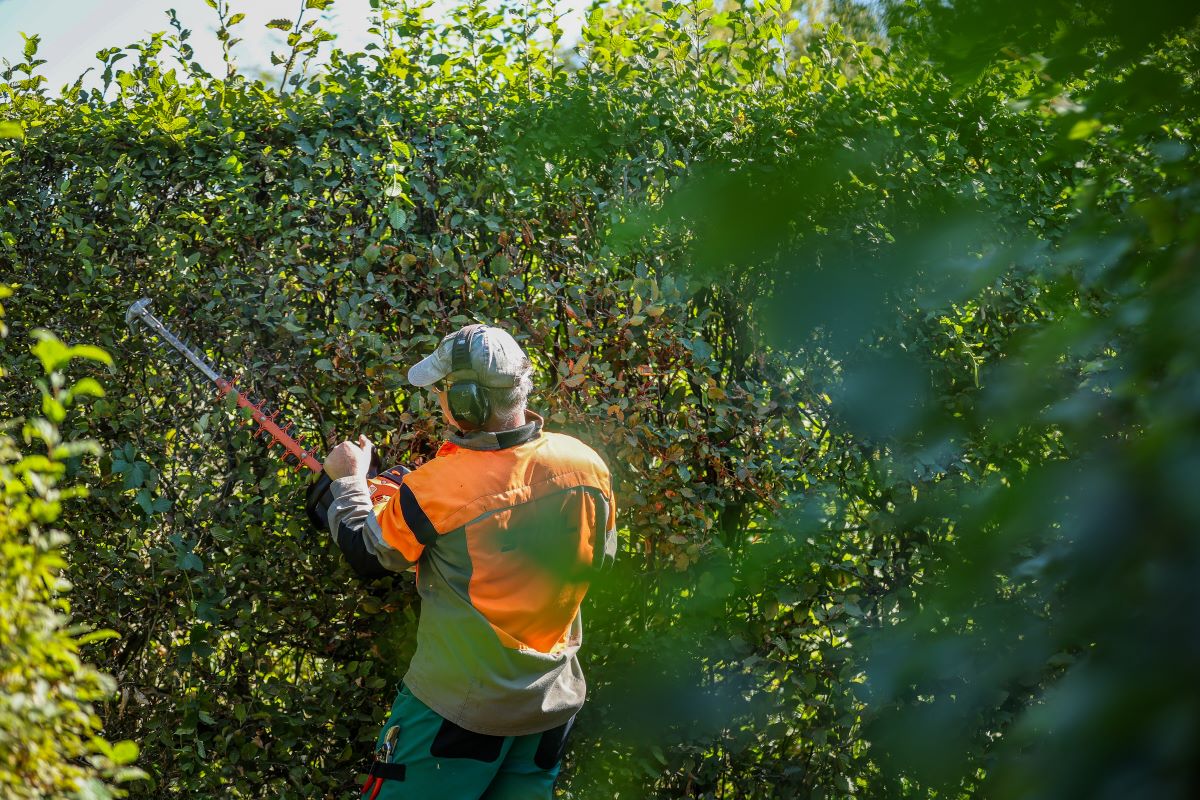
And then there’s hedge trimming. Under Germany’s nature conservation rules, radically cutting back hedges and shrubs is restricted during nesting season, which runs from March until the end of September.
Light maintenance is still allowed, but heavy pruning can lead to fines.
Comments