
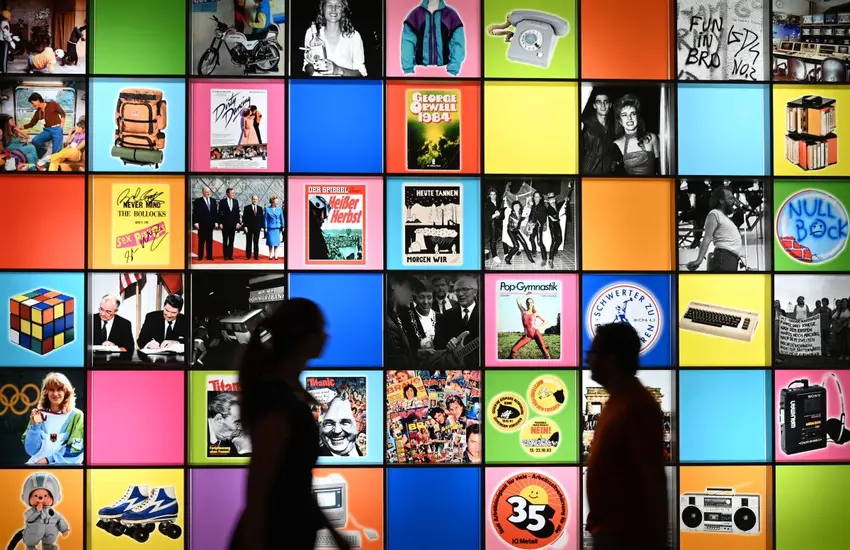
Thursday's top story: Majority of Germans think the 1980s were better...
More than half of Germans believe that life in the Federal Republic was better in the 1980s than it is today, according to a representative survey conducted on behalf of the ARD political magazine Kontraste.
The poll found that 52 percent of respondents rate the 1980s more positively, while only 23 percent consider that period worse than the present.
Nostalgia is particularly pronounced among older people and those with lower levels of formal education. Political affiliation also plays a significant role: 68 percent of AfD supporters view the 1980s as better, compared with 55 percent of CDU/CSU voters and 47 percent of SPD supporters.
Backward‑looking sentiment is far less common among supporters of the Greens and the Left Party.
Respondents cited greater protection from crime, better infrastructure and stronger opportunities for social advancement as key advantages of the era. Sixty‑three percent believe railways, roads and bridges were in better condition, a view shared across party lines.
Many also see social justice and economic mobility as having been stronger.
READ ALSO: Everything you can borrow from a library in Germany
...but the country continues to set new tourism records
Germany’s tourism sector defied the country’s ongoing economic troubles in 2025, recording more overnight stays than ever before according to the Federal Statistics Office.
The surge was driven overwhelmingly by domestic travellers. Germans holidaying within the country accounted for roughly 414 million overnight stays, helped by exceptionally strong demand in December.
In contrast, international visitor numbers declined: overnight stays by foreign guests fell by 1.8 percent to around 84 million. Analysts attribute part of the drop to the post‑European Championship slowdown, as the 2024 football tournament had temporarily boosted foreign arrivals.
One notable trend is the popularity of camping. Overnight stays at campsites have risen sharply – up around 25 percent compared with pre‑pandemic levels – while hotels and guesthouses saw slightly fewer stays. Holiday apartments remained steady.
READ ALSO: Five unforgettable experiences to try this winter in Germany
BMW issues recall over potential fire hazard
BMW announced a major global recall on Wednesday affecting several hundred thousand vehicles due to a potential fire risk linked to defective starter motors.
In Germany alone, 28,582 cars are being called back. Industry reports suggesting a total of 575,000 affected vehicles worldwide were not confirmed by the manufacturer.
According to BMW, internal inspections revealed that excessive wear can develop in the starter motor’s magnetic switch on some models. After thousands of starts, this defect may cause starting difficulties – or prevent the engine from starting altogether.
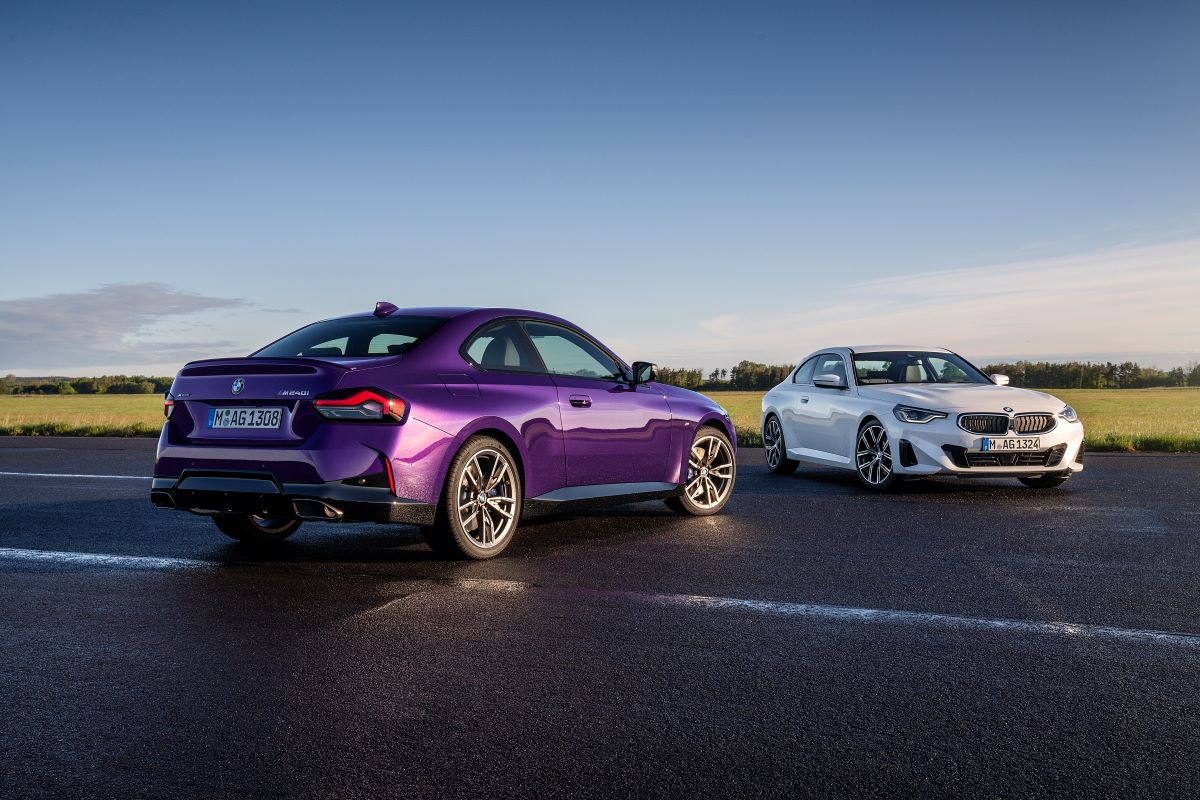
More critically, the wear can trigger a short circuit, leading to the starter motor overheating. In the most severe cases, BMW warns, this could result in a fire while the vehicle is in operation.
The recall covers a wide range of models, including the 2 Series Coupé, 3, 4, 5 and 7 Series, the 6 Series Gran Turismo, X4, X5, X6, and Z4.
Vehicles produced between July 2020 and July 2022 – or those fitted with replacement starters from this period – may be affected.
READ ALSO: Almost half of learner drivers in Germany fail theory test
German court jails US military contractor in China spy case
A US citizen was sentenced to two years and eight months in prison on Wednesday for offering China sensitive information while working as a civilian contractor at a US military base in Germany.
The defendant, only partially named as Martin D., was put on trial in a German court in the western city of Koblenz, with proceedings held partly behind closed doors.
In 2024, prosecutors charged that Martin D. had "contacted Chinese government agencies several times and offered to pass on sensitive information from the US military to a Chinese intelligence service".
The man worked as a contractor for the US Defence Department between 2017 and 2023, including at a US military base in Germany since at least 2020, according to the indictment.
He was arrested by German police in Frankfurt in November 2024 and has been held in pretrial detention since.
Germany has seen an increase in suspected spying cases linked to Russia since the 2022 start of the full-scale invasion of Ukraine, with German authorities accusing Moscow of waging "hybrid warfare" – something that Moscow denies.
But there have also been a number of espionage cases linked to China, with Berlin's ties to Beijing under growing pressure.
READ ALSO: OPINION - Merz really needs to talk Germany up or he'll hand the country to extremists
Siemens Energy trebles profit as AI boosts power demand
German turbine maker Siemens Energy said Wednesday that its quarterly profits had almost tripled as the firm gains from surging demand for electricity driven by the artificial intelligence boom.
The company's gas turbines, used to generate electricity for data centres that provide computing power for AI, have been in hot demand as US tech giants like OpenAI and Meta rapidly build more of the sites.
Net profit in the group's fiscal first quarter, to end-December, climbed to 746 million euros from 252 million euros a year earlier.
Orders – an indicator of future sales – increased by a third to 17.6 billion euros.
Asked about rising orders on an earnings call, Siemens Energy CEO Christian Bruch said he thought the first-quarter figures were not "particularly strong" and that further growth could be expected.
Siemens Energy, spun out of the broader Siemens group in 2020, has seen its shares increase more than tenfold since 2023, when the German government had to provide the firm with credit guarantees after quality problems at its wind-turbine unit.
READ ALSO: Germany at risk of missing 2030 climate targets
With reporting by AFP.
Comments