

Thursday's top story: Nursing home contributions climb above €3,000 per month
The personal contributions that residents must pay for a place in a German nursing home have risen sharply again, driven by wage increases in the care sector and persistent inflation.
According to new data from the Association of Substitute Health Insurers (vdek), residents now pay an average of over €3,200 per month during their first year in a home – around €260 more than a year ago.
Regional differences remain stark. The highest average co-payments are recorded in Bremen, Saarland and North Rhine-Westphalia, where monthly costs reach about €3,600. By contrast, residents in Saxony-Anhalt pay the least, at roughly €2,700 per month.
When the amount covered by long-term care insurance is included, the total cost of a nursing home place across Germany now exceeds €5,000 per month for the first time.
Health associations have long warned that rising out-of-pocket costs threaten to overwhelm many elderly people and their families.
READ ALSO: Where in Germany is old-age care most expensive?
Trump retreats from Greenland threat and announces NATO deal
At the World Economic Forum in Davos, US President Donald Trump on Wednesday reversed his threats to seize Greenland from Denmark by force, unveiling instead a loosely defined “framework” agreement on Arctic security.
Trump claimed the deal, reached with NATO Secretary-General Mark Rutte, gave Washington “everything we wanted” and would last “forever”.
He also scrapped plans for tariffs of up to 25 percent on Denmark and other European allies that had opposed the US stance.
READ ALSO: How is Germany preparing to respond to US tariff threat over Greenland?
Details of the agreement remain unclear. Rutte said Greenland’s sovereignty “did not come up” in talks, while NATO sources confirmed negotiations would focus on preventing Russia or China from gaining a foothold in the Arctic.
The announcement brought tentative relief in Europe and steadied global markets after weeks of diplomatic turmoil. Danish Foreign Minister Lars Løkke Rasmussen welcomed signs of de-escalation but noted uncertainty over Greenland’s status.
Greenlandic lawmakers, meanwhile, criticised NATO’s involvement in discussions about the island’s mineral wealth, insisting that “nothing about us without us.”
Experts urge return of German gold reserves from the US
German economists and politicians are calling for the repatriation of part of Germany’s vast gold reserves currently stored in the United States, citing growing geopolitical uncertainty and concerns over dependence on Washington.
The Bundesbank holds around 1,236 tonnes of gold at the US Federal Reserve in New York – more than a third of Germany’s total holdings, valued at roughly €164 billion.
Former Bundesbank research director Thomas Mönch told the Handelsblatt that it now seemed “risky” to keep such large reserves abroad and urged the central bank to consider bringing them home to strengthen strategic autonomy.
READ ALSO: German economy grew 0.2 percent in 2025
Similar views were expressed by Rolf von Hohenhau Jäger, head of the European Taxpayers Association, who warned in the Rheinische Post that a return of Donald Trump to power increased the unpredictability of US policy.
Green Party finance spokesperson Katharina Beck also advocated relocation, arguing the reserves were a crucial “anchor of stability and trust” that must not become a geopolitical bargaining chip.
Bundesbank President Joachim Nagel, however, rejected the idea, maintaining that storing gold overseas remains a practical and secure part of Germany’s reserve diversification strategy.
Home delivery for groceries rises in popularity
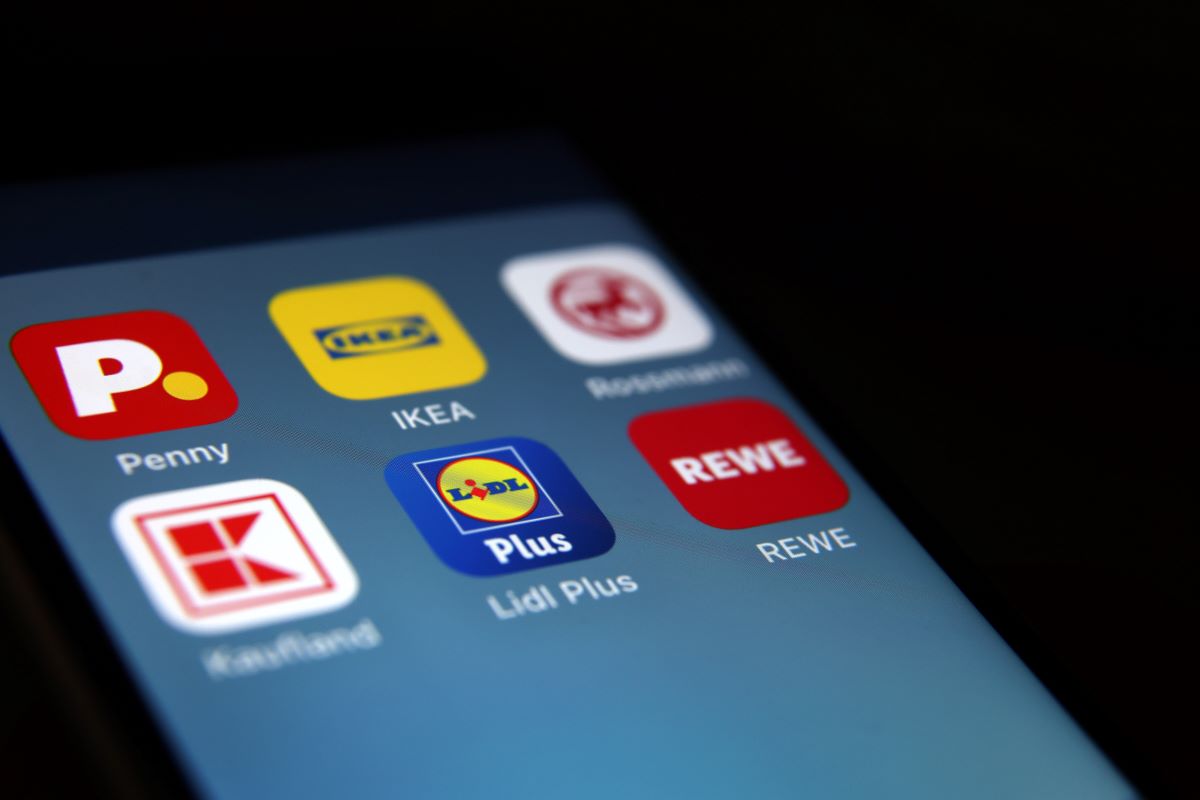
Ordering groceries online has become a mainstream habit in Germany, with the market for fast-moving consumer goods (FMCG) growing faster than almost any other online sector.
According to the IFH Cologne research institute, the volume of online orders rose by more than ten percent in 2025, with food sales exceeding six billion euros.
The segment is expanding at twice the rate of overall e-commerce, driven by convenience, time savings and improved regional delivery coverage by major providers such as Rewe and Picnic.
READ ALSO: 9 essential apps for foreign residents living in Berlin
Rewe leads the market overall, while Picnic, backed by Edeka, is the top home-delivery service, serving more than a million customers in over 250 cities and recording growth above 30 percent. Other competitors include Knuspr, Flaschenpost and Flink.
A YouGov survey found that 15 percent of Germans buy everyday goods online weekly, mainly valuing convenience, doorstep delivery and time efficiency. With food now viewed increasingly as a lifestyle product and new digital-shopping habits spreading, experts expect the boom in online grocery deliveries to continue.
Citizens and foreign residents agree immigrants should learn German
An overwhelming majority of people living in Germany – both citizens and foreign residents – believe that anyone who chooses to live in the country should learn the German language.
According to a new study by the CDU-affiliated Konrad Adenauer Foundation, 74 percent of respondents “fully agree” with the statement, while another 22 percent “somewhat agree.”
The expectation that immigrants should learn German is particularly strong among foreign nationals and Germans with a migration background, who express even higher approval than Germans without one.
The survey found little difference in opinion between men and women, or between people in eastern and western Germany. Younger respondents were slightly less emphatic than older ones but largely shared the same view.
READ ALSO: Ten of the best podcasts to learn German
The representative study was conducted by the polling institute USUMA between October 2024 and January 2025. A total of 3,015 people aged 18 and over were interviewed by telephone – equally divided among Germans with and without migration backgrounds and foreign citizens.
The findings underline the broad social consensus in Germany that language acquisition remains central to successful integration and mutual understanding.
Comments