
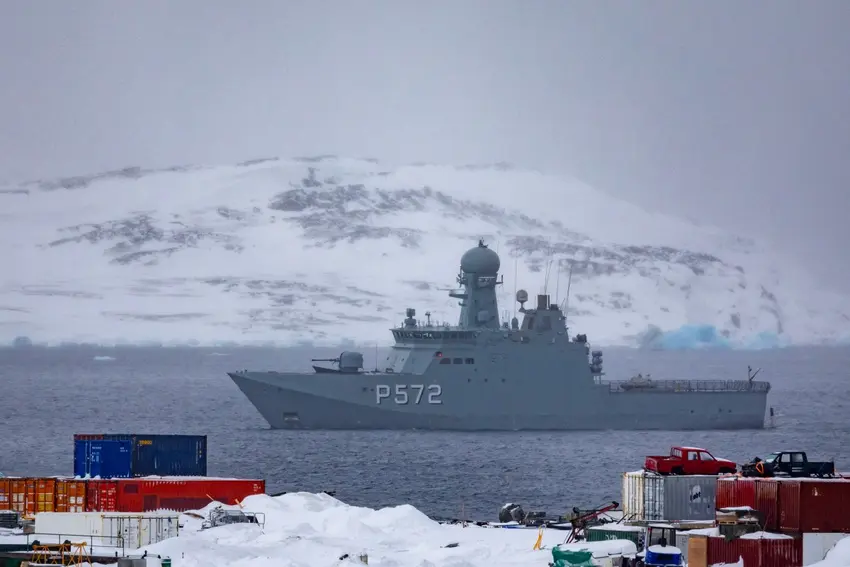
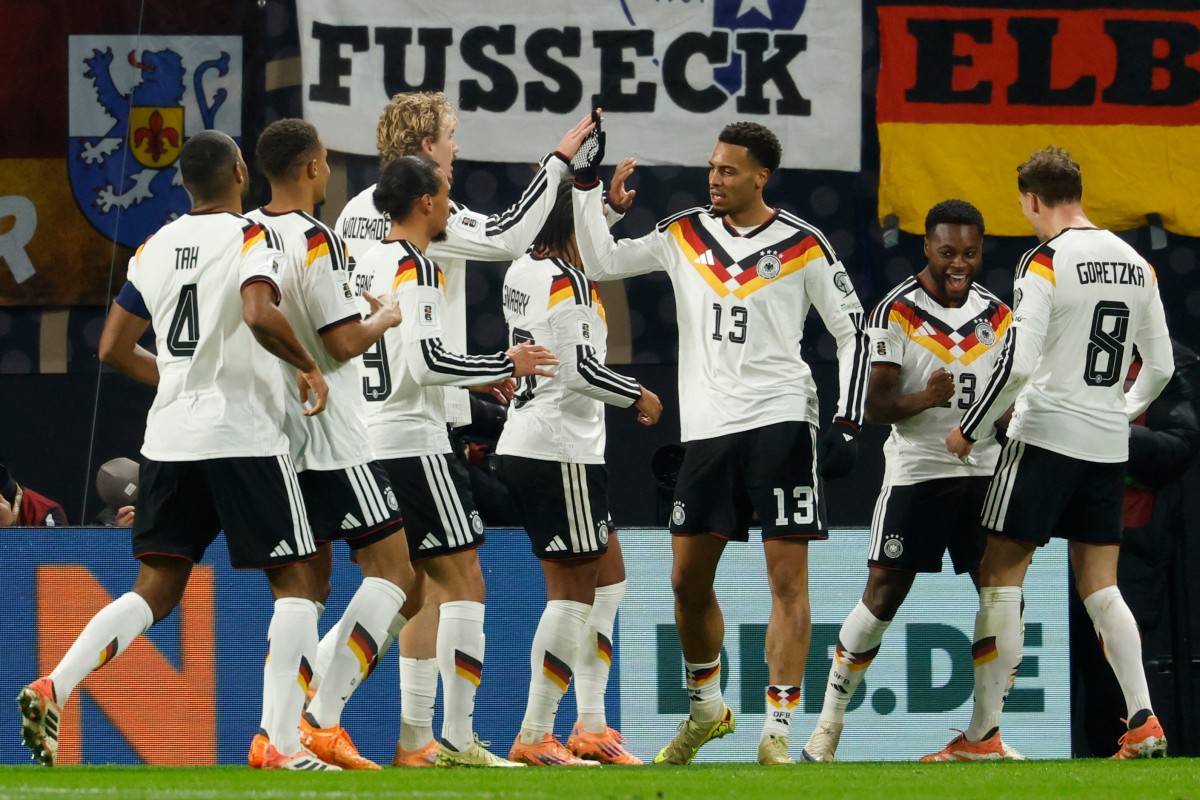
Wednesday's top story: German football association to decide on World Cup boycott over US escalations
The German government said Tuesday that the country's football association should decide on any boycott of this year's football World Cup co-hosted by the United States, over President Donald Trump's Greenland threats.
Trump has targeted Germany among the eight European countries threatened with tariffs for their opposition to his drive to annex Greenland, an autonomous territory of Denmark.
That has prompted some German politicians to question whether their country should participate in this year's football World Cup, to be held between June and July in the US, Canada and Mexico.
Roderich Kiesewetter, a prominent lawmaker from Chancellor Friedrich Merz's CDU party, had said that if Trump "puts his threats into practice and starts a trade war with the EU, I can hardly imagine that European countries will take part in the World Cup".
But Christiane Schenderlein, the state minister for sports, told AFP: "Decisions on participation or boycotts at major sporting events lie solely with the competent sports associations, not with politicians."
According a survey carried out by the INSA polling institute, 47 percent of Germans would be in favour of a World Cup boycott in the event of the US annexing Greenland, while 35 percent would be opposed.
Germany is a four-time winner of the World Cup and has been at every tournament since 1954.
At the EU level, lawmakers on Tuesday have agreed to hold off ratifying a key trade deal with the United States following President Donald Trump's latest tariff threats over Greenland.
The parliament was planning a vote in the coming weeks on removing tariffs on US industrial goods as part of the agreement.
A delay does not sink the deal, agreed in July with Trump after months of intense wrangling that saw Washington slap 15 percent tariffs on EU goods. But by suspending approval it does send a strong message of discontent to the White House that EU lawmakers say would unnerve American businesses.
SURVEY: Americans in Germany - Are Germans treating you differently as international tensions rise?
German student exchanges to the USA plummet since Trump took office
Fewer students in Germany want to visit the USA on a school exchange programme.
Previously, the United States was the top destination of choice for German students. But since Donald Trump became US President a year ago, the numbers have dwindled.
Traudl Bohlen, from the Munich Academic Programme (MAP), arranges exchanges for young people to countries all over the world.
"Normally, we have at least a hundred students for the US, or even more," said Bohlen. "Unfortunately, the political situation has changed that. We compiled statistics yesterday: we have about 50 percent fewer applications for the US."
Other agencies, such as Experiment in Bonn and the Deutsche Stiftung Völkerverständigung (German Foundation for International Understanding) in Schleswig-Holstein, have also confirmed this trend.
READ ALSO: Why it will be easier to get into some German universities this year
Meanwhile, the AbroadConnection agency in Landsberg am Lech has removed the US from its programme.
Parents and students at a recent industry fair said they have concerns about going to the States.
"I am very sceptical about the political developments this country is currently undergoing," said parent Verena Schurz.
Student Erik Stangl, 16, said, "Since the presidential election, the United States is no longer an option for me as a place to spend a year."
German military sees best recruitment year since suspension of compulsory service
The Bundeswehr has grown significantly for the first time in years, now having 184,200 men and women in the active force.
"We've had the most recruitment since the suspension of compulsory military service," Defence Minister Boris Pistorius (SPD) told the German Press Agency. He added that the active force is larger than it has been for 12 years.
The number represents an increase of around 3,000 soldiers last year.
According to the Ministry of Defence, the number of those in the reserve also rose to 12,200 last year. That's up from 10,300 men and women in 2024.
However, the number still falls short of the Bundeswehr's self-imposed goal of 15,000 in the voluntary military service.
Pistorius described the growing number of personnel as a sign of the great confidence in the Bundeswehr: "The willingness of young people to stand up for Germany's external security is increasing."
According to Germany's goals, the Bundeswehr should grow strongly in the years to come with the active force increasing to 260,000 men and women by the mid-2030s.
In addition, the goal is to have 200,000 soldiers in the reserve. The reserve is to be built up mainly from the men and women who are doing the new military service.
READ ALSO: Everything you need to know about Germany’s new military service letters
Just under a third of pupils in Germany have immigration background
Nearly one in three pupils in German schools had an immigration background in 2024, according to new figures from the Federal Statistics Office. The share stood at 29 percent, three percentage points higher than in the overall population and up from 26 percent in 2019.
By contrast, only 11 percent of teachers had an immigration background, though this figure has risen in recent years.
The data defines an immigration background as either the individual or both parents having moved to Germany since 1950.
Virologist says parts of Germany’s Covid response were unjust
German virologist and federal drugs commissioner Hendrik Streeck (CDU) has described parts of Germany’s Covid pandemic response as “injustice,” saying that sections of the population were treated unfairly.
Speaking before a coronavirus inquiry committee in the Thuringian state parliament on Tuesday, Streeck said mistakes had been made in how political measures affected different groups, however, he added that there are no perfect decisions in a crisis.
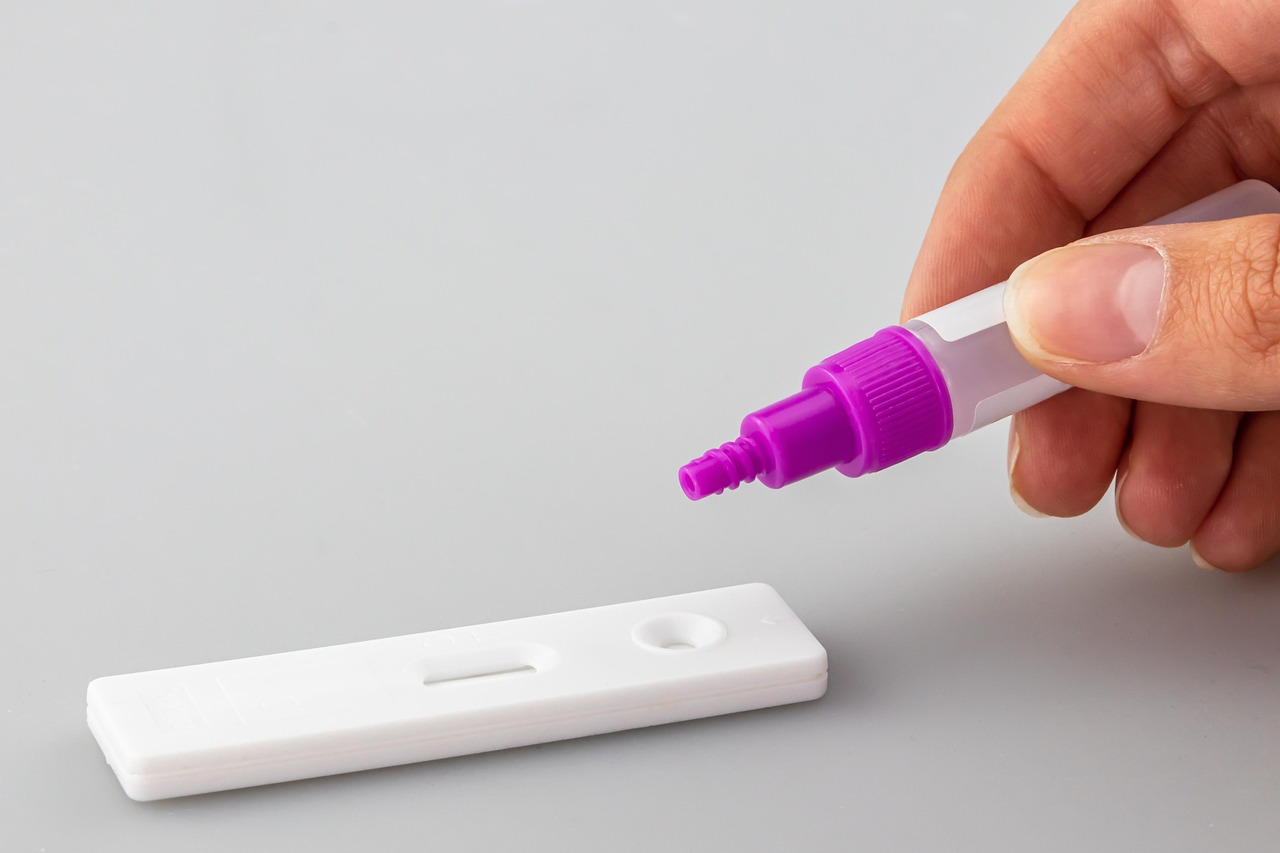
Streeck said unvaccinated people had been marginalised and that school closures had contributed to increased psychological issues among children and young people. He said the anger and resentment still felt by many people today reflected "real pain", while also expressing understanding for public frustration on all sides during the crisis.
At the same time, Streeck cautioned against judging decisions in hindsight alone. He argued that a thorough review of the pandemic was essential so that future mistakes could be avoided.
Streeck entered parliament for the CDU in 2025 and serves as the government’s commissioner for addiction and drugs.
The Thuringian inquiry is one of several across Germany aimed at assessing political decision-making during the pandemic.
With reporting by Rachel Loxton, AFP and DPA.
Comments