

Friday's top story: German man jailed for life over deadly carnival car-ramming
A German man received a life sentence and was ordered into psychiatric care on Thursday for ploughing his car through a carnival market, killing two and injuring several more in March.
The attack in the southwestern city of Mannheim in March struck as visitors flocked to a pedestrian zone lined with food stalls, rides and games.
The defendant, partially named by German media as Alexander S., 40, was found guilty of two counts of murder and six counts of attempted murder, Joachim Bock, presiding judge at the Mannheim Regional Court, told AFP.
Prosecutors earlier said Alexander S. had been "suffering from a mental illness for many years" and called for him to be placed in a psychiatric facility.
Investigations had "not revealed any evidence of a political motive", they said.
An 83-year-old woman and a 54-year-old man were killed in the car rampage.
Germany to take in more than 500 stranded Afghans from Pakistan
The German government said Thursday it would take in 535 Afghans who had been promised refuge in Germany but have been stuck in limbo in Pakistan.
Interior Minister Alexander Dobrindt told the RND media network Berlin wanted to complete the processing of the cases "in December, as far as possible" to allow them to enter Germany.
The Afghans were accepted under a refugee scheme set up by the previous German government, but have been stuck in Pakistan since conservative Chancellor Friedrich Merz took office in May and froze the programme.
READ ALSO: Renewed pressure on German government over stranded Afghans
Those on the scheme either worked with German armed forces in Afghanistan during the war against the Taliban, or were judged to be at particular risk from the Taliban after its return to power in 2021 -- for example, rights activists and journalists, as well as their families.
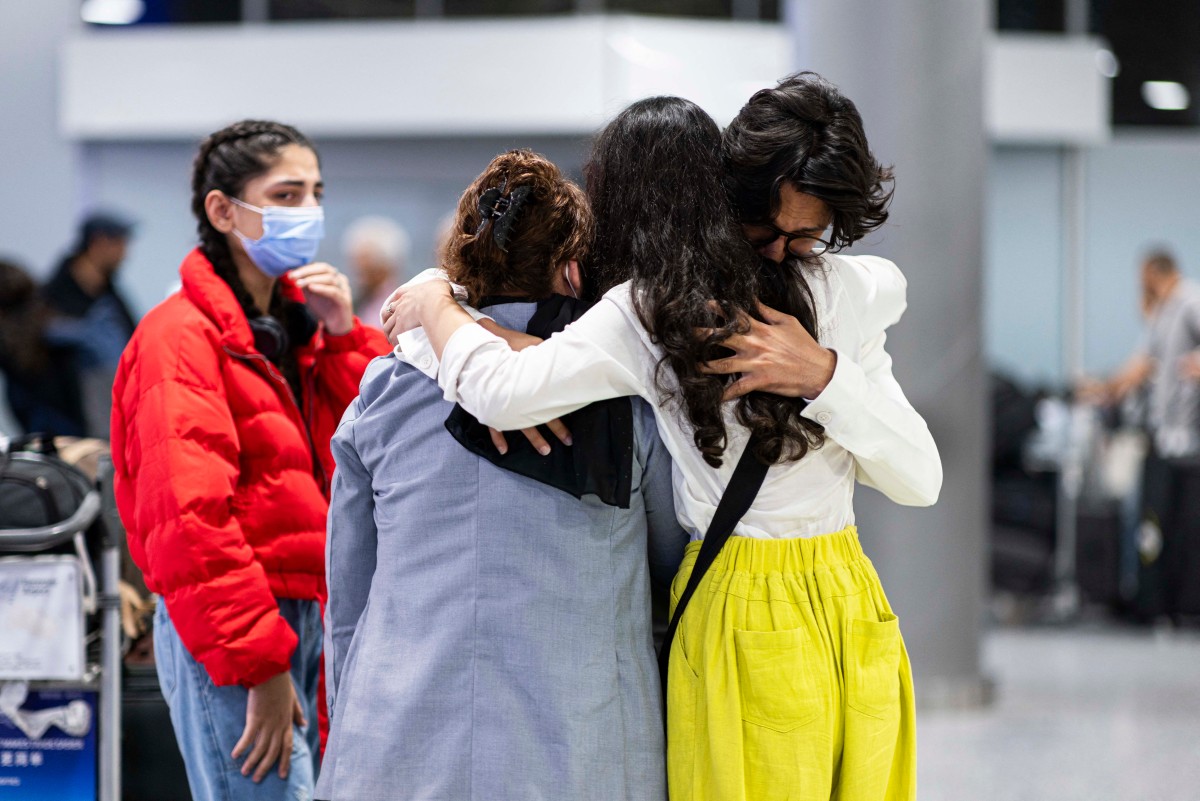
Pakistan had set a deadline for the end of the year for the Afghans' cases to be settled, after which they would be deported back to their homeland.
New policing bill slammed as a ‘step toward authoritarianism’
Germany's Interior Minister Alexander Dobrindtof the Christian Democrats (CSU) urged the Bundestag to update the 1994 Federal Police Act, arguing that modern security threats demand tools beyond outdated regulations.
During the first reading of the new bill in the Bundestag on Thursday, Dobrindt advocated expanded powers, including telecom surveillance to combat extremism and smuggling, deportation detentions for those evading removal, and random checks in weapon ban zones at stations and trains.
Dobrindt also pushed for more CCTV at rail hubs to boost public trust and safety.
READ ALSO: 'Chilling effect' - How civic freedoms are under threat in Germany
Left Party MP Clara Bünger slammed the bill as a "step toward authoritarianism and a surveillance state," warning it would disproportionately target those who "don't fit the cityscape" – echoing racism allegations against CDU leader Friedrich Merz.
Greens' Irene Mihalic criticised the omission of so-called control receipts from the prior traffic light coalition draft, questioning why bakeries issue them but police won't document random stops to curb racial profiling.
The AfD opposed vetting new recruits against intelligence databases to block extremists.
Previous reform attempts under Merkel and the traffic light coalition failed in the Bundesrat or before elections.
Farmers' protests in Brussels delay EU-Mercosur free-trade agreement
EU Commission President Ursula von der Leyen announced on Thursday that the signing of the long-stalled EU-Mercosur free-trade agreement has been postponed to January.
The deal, negotiated over 25 years with South American bloc members Brazil, Argentina, Paraguay and Uruguay, faced fierce resistance from France's Emmanuel Macron and Italy's Giorgia Meloni, who demanded stronger safeguards for European farmers against cheap imports like beef and poultry.
Protests rocked Brussels, with farmers blocking roads, hurling eggs and potatoes and clashing with police amid tear gas.
Supporters including Germany argue the pact creates the world's largest trade zone of 700 million people, boosting EU exports of cars and machinery while securing critical minerals amid US tariffs under President Trump.
Brazil's Lula, after talks with Meloni, accepted the delay but urged swift resolution before Paraguay's Mercosur presidency in January risks derailing it entirely.
Union leaders warn of strikes in the new year
Public sector wage talks in Germany remain deadlocked, with union leaders warning of escalating strike action in the new year. Verdi chairman Frank Werneke said the union was ready to organise widespread walkouts if upcoming negotiations with state employers fail to deliver results.
After an inconclusive first round, Verdi and the civil servants’ union dbb will resume talks with the Länder employers’ association (TdL) on January 15–16, aiming for a settlement by mid-February.
Unions are demanding a 7 percent pay rise or at least €300 more per month for the 900,000 state employees covered by the agreement. The TdL rejects this as unaffordable.
READ ALSO: Will Germany see public sector strikes this winter?
While strikes have already hit Berlin’s schools and childcare centres, Werneke said further action could affect universities, hospitals, the justice sector and winter road services, though emergency care would remain secured.
Werneke described the mood among members as “very combative” and called the wage dispute a vital expression of workplace democracy, not just a ritualised confrontation.
Thale's festive parking mercy
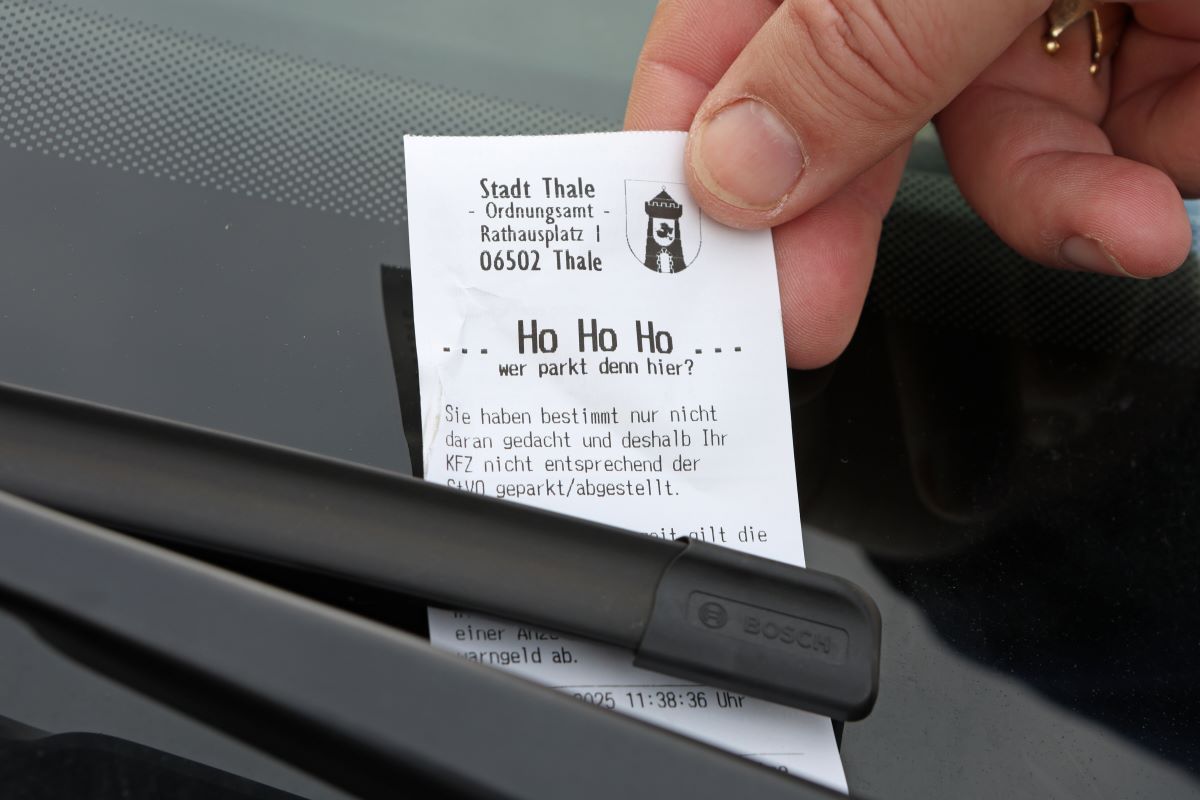
In Thale, Saxony-Anhalt, the local Ordnungsamt is spreading holiday cheer instead of fines this Advent season. On Thursday, staff left "HO HO HO" greeting notes on illegally parked cars rather than issuing tickets, a tradition in place since 2019 which is aimed at easing pre-Christmas stress and promoting road courtesy.
The Gnaden-Knöllchen (mercy tickets) replace warnings during the busy shopping period, countering the pre-Christmas frenzy in the Harz town's streets.
READ ALSO: German word of the day - Knöllchen
Thale joins several Saxony-Anhalt municipalities like Gardelegen, Biederitz and Ballenstedt in a "Christmas peace" policy, waiving minor parking penalties until early January – though serious violations like blocking fire routes still draw fines.
With reporting by AFP.
Comments