

This year families based in Germany can expect higher child benefit payments, increased tax allowances and expanded support for low-income households.
There are also significant steps towards a legal right to full-day childcare in primary schools and new financial incentives for children’s pensions.
But not all previously promised reforms will materialise. For example, the much-discussed paternity leave will still not be introduced and some tax reforms remain under discussion.
If you’re raising children in Germany, here’s what you need to know about the year ahead.
Child benefit increase
From January 2026, Germany's child benefit (Kindergeld) will rise from €255 to €259 per child per month, amounting to €3,108 per year per child.
This increase is automatic – parents do not need to apply for it. Payment dates are staggered according to the last digit of your child benefit number, so the exact day you receive the money may vary.
READ ALSO: The words you need to understand Germany’s childcare benefits
It’s worth noting, however, that the child benefit itself is not automatic and must be applied for. Parents not currently receiving the monthly payment are recommended to apply via the Family Benefits Office (Familienkasse) as soon as they can.
Eligibility remains unchanged: parents or guardians of minor children can claim it, and the benefit is paid retroactively for up to six months if you apply late.
Child supplement and support for low-income families
For families on lower incomes, 2026 brings a modest increase in support.
The maximum child supplement (Kinderzuschlag) – the highest amount a family can receive per child – remains at €297 per month. This supplement is designed to top up the income of families who earn enough to cover their own needs but not quite enough to fully support their children, with the exact amount depending on household income and costs.
But the immediate child supplement will rise from €20 to €25 per month per child. This is a fixed, extra payment provided to qualifying families on top of the regular child supplement, intended to offer immediate relief for those facing financial hardship.
READ ALSO: The things they don't tell you about raising kids in Germany
Eligible families may therefore receive both the regular child supplement (up to €297 per month per child, depending on their circumstances) and the immediate child supplement (€25 per month per child in 2026), making the total support a little more generous for those who need it most.
Tax-free allowances for children
The child tax allowance (Kinderfreibetrag) - a tax benefit that is applied in some cases in place of Kindegeld - will rise to €9,756 per child in 2026, including €6,828 for basic needs and €2,928 for education or childcare.
For jointly assessed married couples, this means a combined allowance of €9,756 per child.
The tax office will automatically determine whether the child benefit or the tax allowance is more advantageous for your family, so you don’t need to make this decision yourself.
Generally, families with lower or middle incomes benefit more from child benefit, while those with higher incomes (around €80,000 for singles or €160,000 for couples) may find the tax allowance more favourable.
Right to full-day childcare
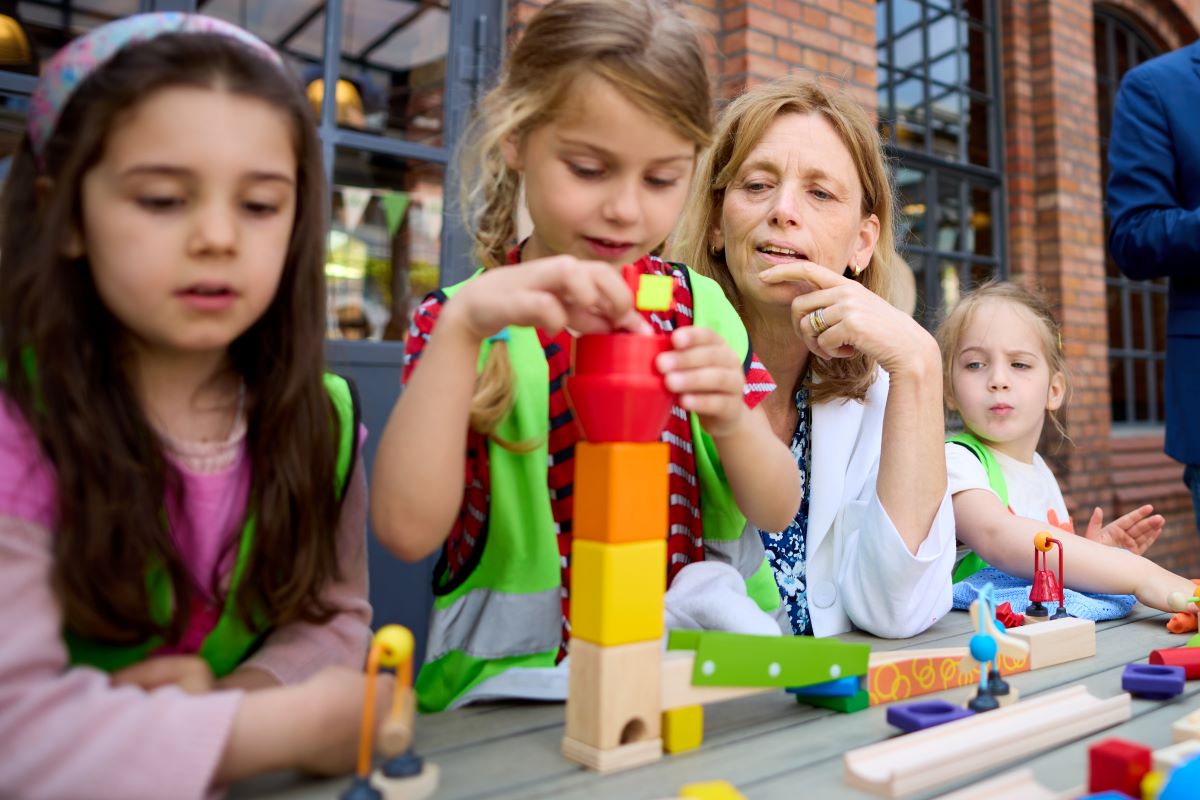
From August 2026, all first graders in Germany will have a legal right to full-day care in primary schools. As opposed to the current situation in which some schools only offer half-days for younger students.
This entitlement will be extended to additional year groups in subsequent years.
The aim is to improve work-life balance, particularly for mothers, who are still far more likely to work part-time or take extended parental leave.
READ ALSO: What do children actually learn at school in Germany?
The government is also investing – four billion euros in in the Daycare Quality Act. The federal states can use the money over the next two years to promote language education and secure skilled workers, among other initiatives.
Children’s pensions (Frühstart-Rente)
A new initiative will see the government contribute €10 per month into a retirement fund for each six-year-old child attending school in Germany, continuing up to the age of 18.
The original proposal was more generous, intending to cover all children aged six to 18 from the outset, but budget constraints mean the scheme will start with only the youngest cohort.
READ ALSO: '€10 a month' - Germany to set up pension accounts for all children from age 6
Over twelve years, this adds up to €1,440 per child. With compound interest, analysts suggest the fund could be worth over €100,000 by retirement age if left untouched.
The accounts are to be protected from state access and can only be drawn upon at retirement.
Other notable changes
One change coming into force next year that many parents might find alarming is the reintroduction of military service in Germany.
As part of a new military service law, all 18-year-old men and women will receive a questionnaire at the start of 2026 to assess their suitability and motivation for the German Armed Forces.
READ ALSO: Who would be affected by Germany's new military service draft law?
For men, completing the questionnaire will be mandatory; for women, it will be voluntary. At the time of writing, the law is not yet final as it still requires approval from both the Bundesrat and Bundestag.
In addition, a ban on the sale of nitrous oxide to minors is expected, targeting its use as a party drug among young people.
Online and vending machine sales will also be prohibited, pending final legislative approval.
What else should families be aware of?
The current German government has made family policy a central theme in its communications, frequently promising more support and less bureaucracy. Federal Minister for Family Affairs, Karin Prien, has announced plans to present a new draft law on maternity protection for the self-employed in early 2026, for example.
Prien's department, now expanded to include education, is investing billions in improving daycare quality and supporting skilled workers. Yet, critics argue that concrete action has lagged behind the promises, with much of the focus so far on education rather than direct family support.
For example, the government’s recently announced “social pact for greater family friendliness” aims to help women increase their working hours through more flexible models and reliable childcare, but the details are still being developed.
Some reforms, such as a shift from spouse-based to family-based taxation, remain in the consultation phase, and the proposed increase in parental allowance looks unlikely to proceed due to budget shortfalls.
In addition, the EU-mandated paternity leave is unlikely to be implemented as Germany claims an exemption based on existing parental leave provisions in the country.
Comments