

One of the most welcome cultural differences that foreigners find when they arrive in Germany is the attitude to health.
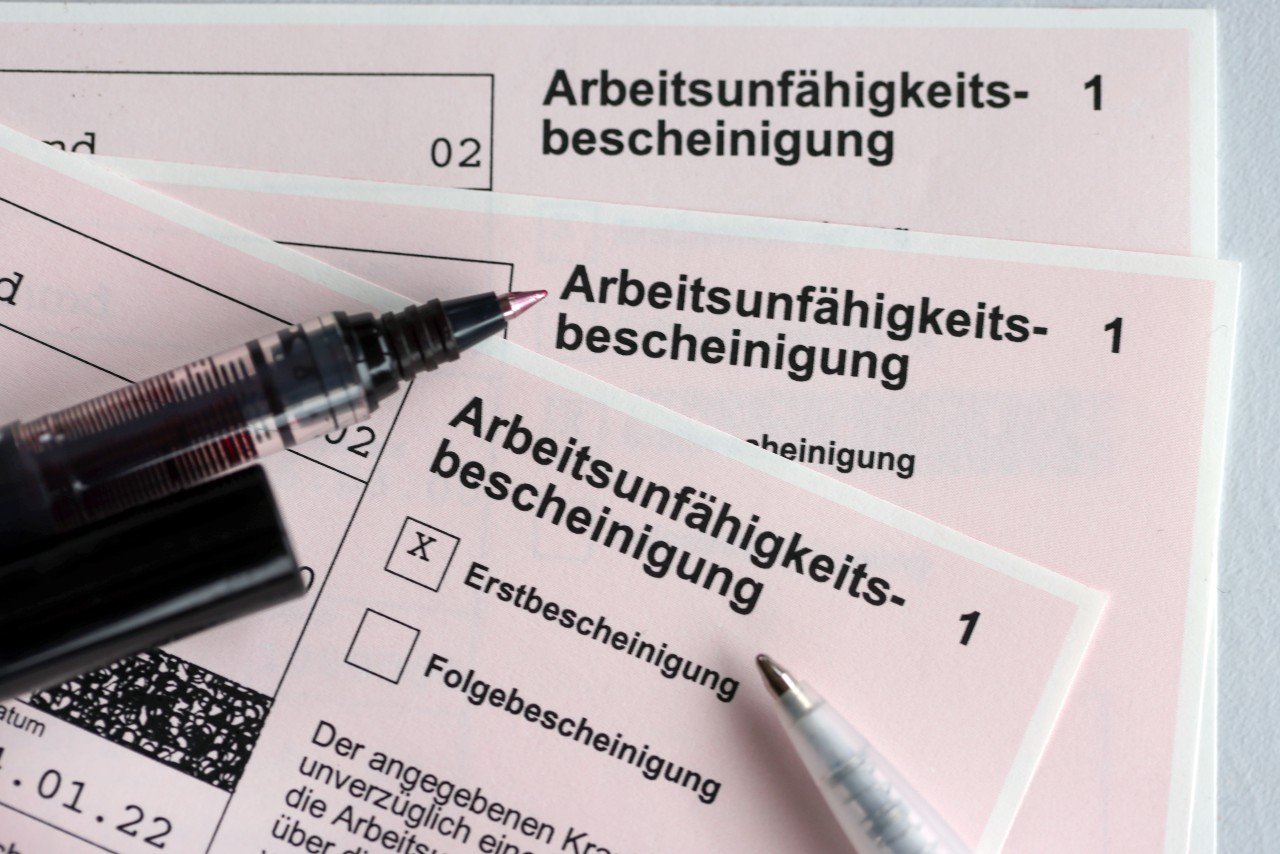
Unlike other countries – such as the US and the UK – getting a sick note for work is not a big deal. In fact, if you turned up to your job in Germany with a snotty nose and scratchy throat, you'd be probably be told to go home, get to bed and drink tea.
If you're an employee in Germany, you have access to generous paid sick leave. Under Germany’s healthcare system, an employee's salary will continue to be paid in full for up to six weeks. And for more serious illnesses, after that employees can receive 70 percent of their salary for a longer period of time through Krankengeld.
It means that people can take time off work if they need, without worrying too much about the financial strain – or the wrath of their manager.
The high rate of sick leave in Germany is reflected in numerous statistics and studies.
Recent reports based on OECD data indicate that Germany records some of the highest numbers of sick days in Europe. According to figures compiled by the IGES institute and health insurer DAK-Gesundheit, employees in Germany had on average 25 paid sick days in 2022 – more than in any of the other countries included in the comparison.
Experts note that international comparisons are not the most reliant measure because countries record sick leave differently, and recent increases in Germany may partly reflect robust reporting through the electronic sick-note system.
Yet other sources show a similar picture of high rates in Germany. Public health insurance provider DAK reports that for their 2.4 million insured working people, the average amount of sick leave taken per person in 2024 was 19.7 days.
According to the AOK’s analysis, in 2024 employees in Germany reported on average 23.9 sick days.
Meanwhile, Destatis found that last year, workers in Germany were on average off sick for 14.8 days, although experts note that the government data only counts absences that are longer than three days.
READ ALSO: Working in Germany – the 10 rules to know if you fall ill
Another analysis by broadcaster BR, using data from health insurance organisation BKK, found that employees in Germany have been taking more and more sick leave since 2021.
Overall, OECD figures from 2023 note that Germans missed on average 6.8 percent of their working hours in 2023 due to illness.
All of this goes some way to explain why British financial magazine The Economist ran an article in January called "Germans are world champions at calling in sick." It came with the tag line: "It's easy and it pays well."
What's behind increased sick leave in Germany?
Aside from the cultural aspects, it appears to be an increase in illness that has Germans calling out more often.
Health insurers say musculoskeletal disorders, such as back pain and osteoarthritis, account for a very high proportion of days lost to sick leave. However, despite an ageing workforce, the figures have remained stable over the last years.
What has been increasing are the number of respiratory illnesses – particularly since the Covid-19 pandemic.
Waves of the flu, Covid and the common cold, especially in winter, have led to more people being sick and taking time off work.
People can more easily call in sick if they have a respiratory infection by getting a sick note from their doctor over the phone. Meanwhile, the electronic certificate of incapacity for work (eAU) also means figures are more accurate.
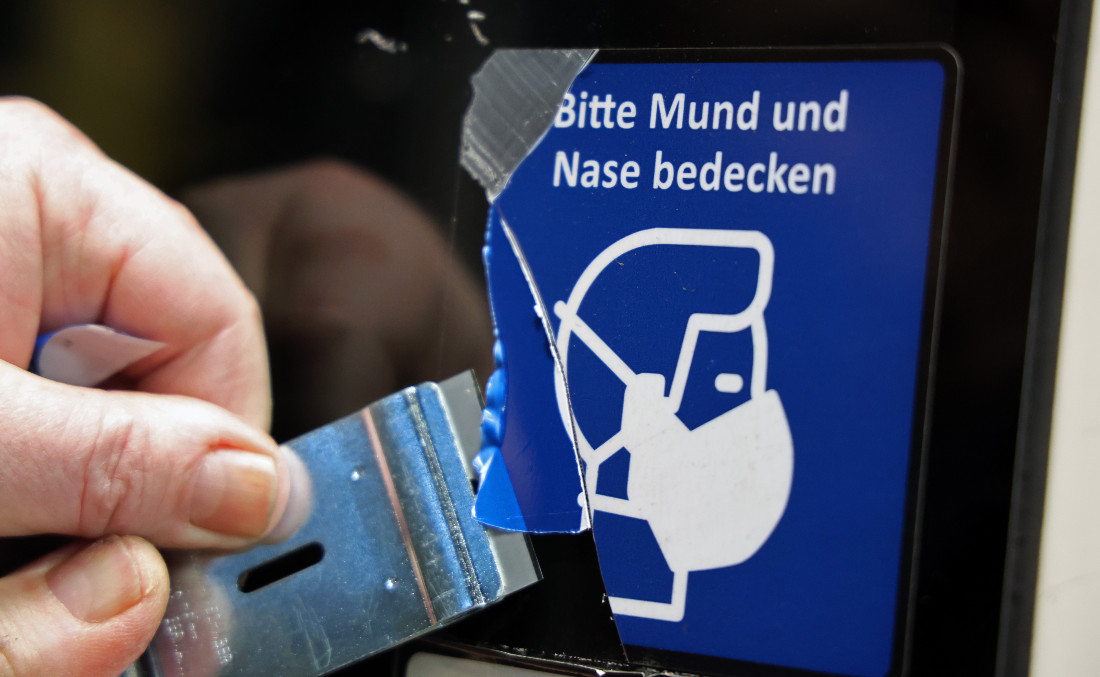
Leif Erik Sander, clinic director of infectious diseases at Charité, told German broadcasters there is a "catch-up effect" after the pandemic years. Put simply, he said infections are spreading more widely because fewer people are still taking protective measures like wearing masks and spending time alone or in small groups.
And if they do get struck with a cold – even if it's not too bad – they don't want to go into the office.
"People with respiratory infections are now more likely to stay at home because they don't want to infect their colleagues if they can't work from home, or are too sick to work anyway," said Sander.
A study by the Central Institute for Statutory Health Insurance also shows that 58 percent of the additional sick leave cases in 2022 and 41 percent of the additional sick leave cases in 2023 can be explained by acute respiratory infections and coronavirus. Diseases of the respiratory system accounted for around 20 percent of all sick days in Germany in 2024.
A rise in mental health disorders – particularly linked to stress – and burnout also play a role. Cases are steadily increasing and, in individual cases, result in particularly long periods of absence.
READ ALSO: How are mental health issues at work dealt with in Germany?
Where people in Germany are most likely to call in sick
Data from health insurer BKK shows significant regional differences in the number of days that employees took sick leave last year.
In Baden-Württemberg, BKK-insured employees were on sick leave for an average of 18.5 days in 2024, while in Saarland and Saxony-Anhalt the figure was around 28 days.
In 2024, the regions with the highest rates of callouts from work were the Ruhr area in North Rhine-Westphalia and Saxony-Anhalt.
In the Mansfeld-Südharz district in Saxony-Anhalt alone, each BKK-insured person was on sick leave for an average of around 31 days in 2024 – a whole month.
At the lower end of the scale with particularly few absences is the district of Starnberg in Bavaria. There, each BKK-insured person was on sick leave for an average of only 14.5 days.
Experts say the reasons are complex but can partly be attributed to salary and working conditions.
Hendrik Berth, a psychologist at Dresden University Hospital who studies the relationship between work and health, said in the economically strong south of Germany, companies are more likely to offer improved working conditions and higher pay which increases the quality of employees' lives.
The BK figures show people who work in cleaning, transportation, logistics and manufacturing jobs report more days of incapacity for work each year, with cleaners on average taking more than one month per year off sick. This is often related to musculoskeletal disorders because these jobs are physically demanding.
In comparison, people in management and IT as well as scientific service professions, such as computer scientists, biologists, or geologists, report being sick much less frequently.
Spotlight on sick leave
Due to the high number of absences and the increasing strain on businesses, sick leave is a hot button societal issue.
Last year, we reported on firms hiring agencies to check that employees who call in sick are not fit for work.
Meanwhile, bosses at electric car giant Tesla made headlines for visiting the homes of employees who had called in sick. Managers there suggested some workers were calling in sick at unreasonable rate.
READ ALSO: Can my company in Germany check on me at home when I’m sick?
Employers and some politicians want measures to discourage people from taking sick leave for minor ailments.
Allianz CEO Oliver Bäte said in an interview with Handelsblatt earlier this year that Germany should reintroduce a 'waiting day', meaning that employees who call in sick from work lose a day of pay.
But so far, no changes have been made at the political level.
What do you think? Share your views on Germany's culture around taking sick leave in the comments.
Comments (1)