
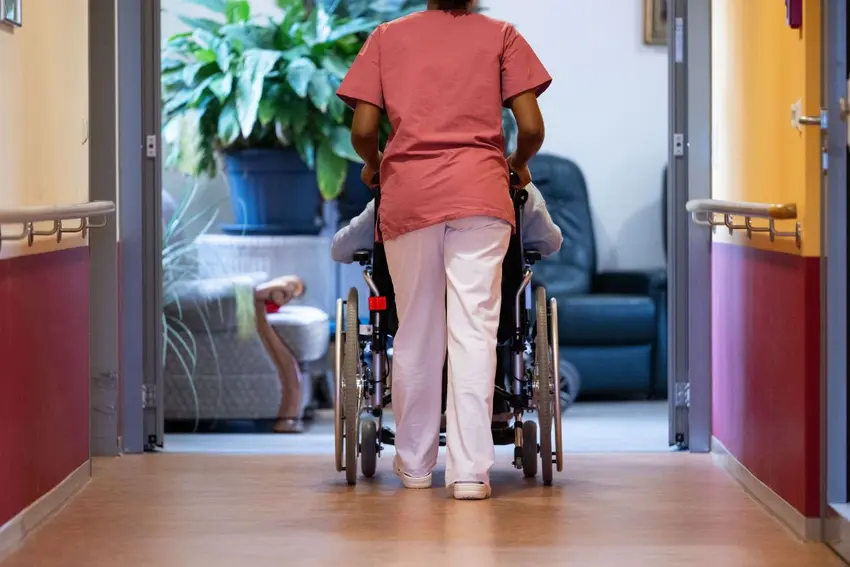
Nursing assistants, are set to see the minimum wage for their work rise from the current €16.10 to €16.52 per hour, on July 1st, 2026. Then a second increase to €16.95 is to follow one year later, on July 1st, 2027.
For qualified nursing assistants with at least one year of training, the minimum wage is to rise from the current €17.35 to €17.80 per hour, and then to €18.26 in the same time period.
For nursing staff, an increase from €20.50 to €21.03 is planned for 2026, and the second stage would see minimum wages rise to €21.58.
Minimum wages apply to care facilities
Germany's national statutory minimum wage, currently €12.82 per hour, covers all workers across the country.
READ ALSO: Germany's minimum wage set for record increase
But workers in certain industries are also protected by further role-specific minimum wages, such as those for nursing assistants and nursing staff.
However, these specialised minimum wages aren't applied in all cases -- for example, when nurses work in private homes.
Therefore Germany's Ministry of Labour now wants to enshrine these minimum wages in law.
Currently around 1.3 million care workers are thought to work in facilities that fall below the suggested minimum wage for care work.
The Commissioner of the Ministry of Labour for the Care Commission, Cornelia Prüfer-Storcks, said that the minimum wage for care continues to be the only individually enforceable legal claim for most care workers.
Since 2022, facilities can only make contracts with the long-term care insurance funds if they pay according to the minimum wage, or similar.
The Verdi trade union adds that the obligation does not guarantee individual nurses a certain wage level, but rather that an average level equivalent to the minimum wage is maintained.
Comments