
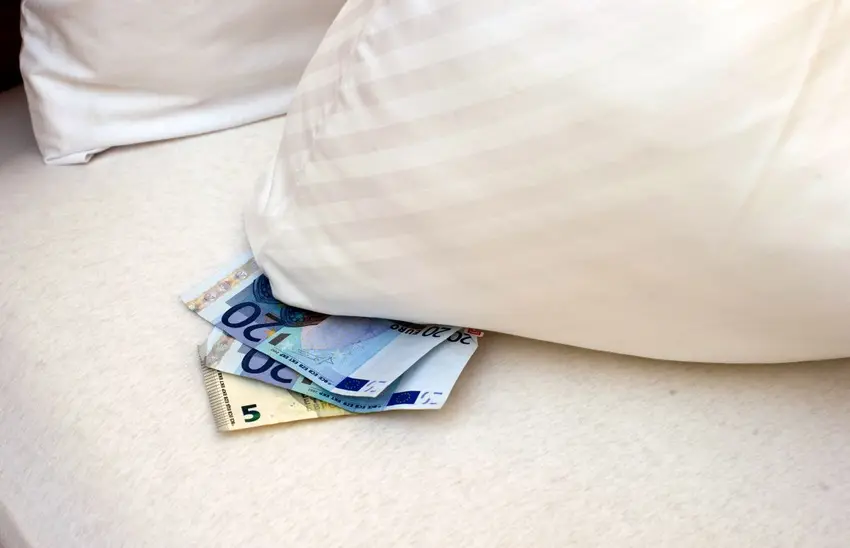
If you've stayed in a hotel in Germany recently, or indeed one in many European cities popular with tourists, you've probably already paid a hotel tax.
Also called occupancy or lodging taxes, or a 'bed tax' (Bettensteuer) in German, these taxes are levied on overnight stays in hotels, pensions, or similar tourist accommodations and are typically used by cities to support infrastructure and promote tourism.
Often these taxes amount to somewhere in the range of five to ten percent of the cost of your hotel stay. In many cases they need to be collected on site at the hotel when you arrive, but on occasion the fee is included in the price of an online booking.
In either case, the amount of the tax due should be noted clearly on the check-out page, if you're booking your stay online. Hotels typically also have a notice about the tax posted somewhere in their lobby, should you show up spontaneously in person.
However, following a law change last year, these taxes have been outlawed in the German state of Bavaria.
Interestingly, the Bavarian Constitutional Court has taken a different position on the issue than Germany's Federal Constitutional Court, which ruled in 2022 that bed taxes are compatible with the country's Basic Law.
Overnight taxes banned in Bavaria
A recent decision by Bavaria's Constitutional Court effectively confirmed that the state's decision to ban the collection of hotel taxes was legal. So for the time being, a ban on hotel taxes in Bavaria remains in place.
The city of Munich was the first Bavarian city to try to introduce overnight stay taxes for hotel guests in early 2023. But the Bavarian state government responded by passing a law that stopped cities from collecting hotel taxes.
The city of Munich then brought a case challenging the state's hotel tax ban. Munich was joined by the cities of Bamberg and Günzburg in its lawsuit.
The Bavarian Constitutional Court has now ruled against the cities, confirming that the ban on a bed tax issued by the state authorities was legal.
Munich estimates that the tax would have brought in around €100 million for the city each year.
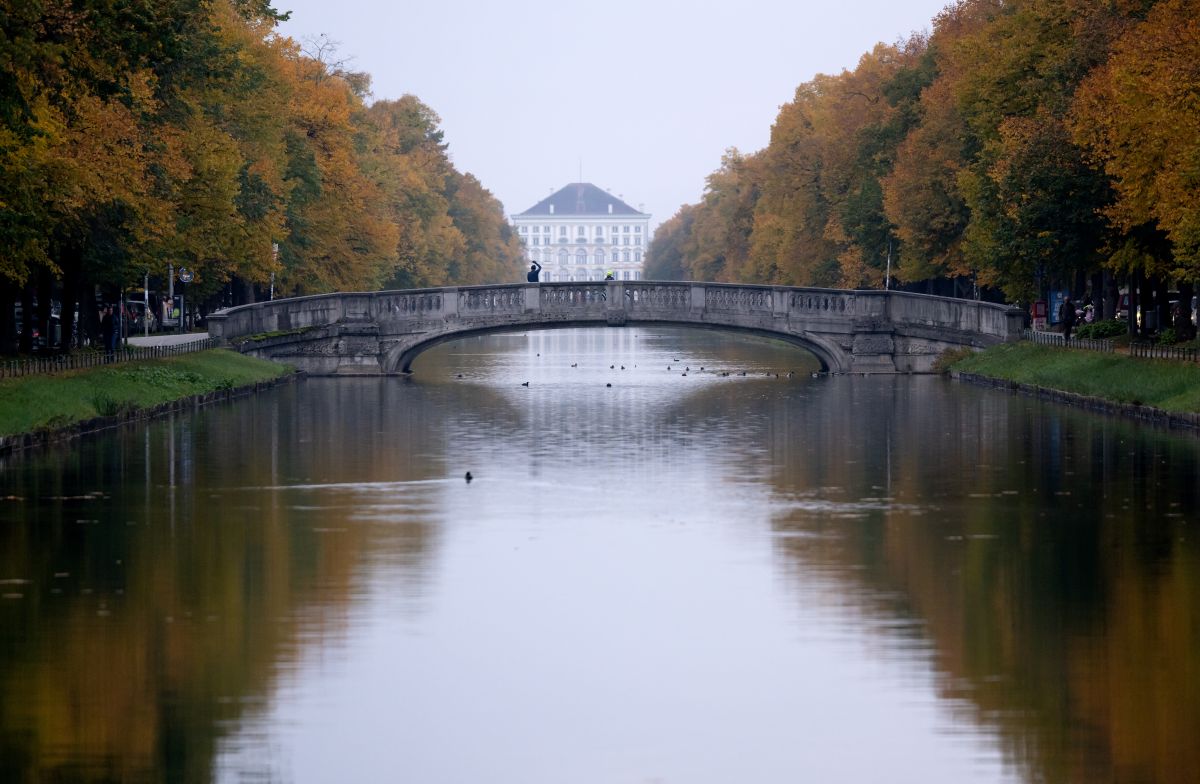
Practically speaking for any would-be visitors, Bavaria's ban on hotel taxes means the total cost of a hotel stay in the affected cities remains modestly cheaper.
READ ALSO:
- Why Bavaria is one the world's top travel destinations for 2025
- 10 regional dishes you have to try while visiting Bavaria
Munich's mayor Dieter Reiter argues that it "would only be fair that guests... made a small financial contribution" to the city.
But he added, "We have to accept the court's decision, even if we don't like it."
However, the city of Munich is not likely to give up so easily. German cities have seen budgets stretched thin in recent years, and Munich sees the hotel tax as a viable means of boosting its budget without further burdening its resident population.
City treasurer Christoph Frey has suggested that the city may appeal the decision to the nation's highest court.
"This is not a good decision in terms of the municipal budget," Frey said, adding, "We will intensively examine in the next few weeks what steps we can still take..."
Where are hotel taxes collected in Germany?
Hotel taxes are currently levied in all other German states, and in the rest of Germany's large cities which attract the most tourists like Berlin, Hamburg and Cologne.
Berlin's bed tax is referred to as the City Tax, and since the start of 2025 it has been set at 7.5 percent of the total price of accommodation for overnight stays.
The bed tax in Hamburg ranges from 50 cents to €4 for stays up to €200 per night (not including VAT). For each additional €50 per night, the tax raises by €1.
In Cologne, the tax is set at five percent of the total cost of accommodation including VAT.
Similar taxes exist in many of Europe's big cities. Amsterdam has one of the highest overnight stay tax rates at 12.5 percent.
Hotel and tourist industry representatives often oppose hotel taxes. Bavaria's hotel and restaurant association (Dehoga Bavaria) welcomed the court's decision, suggesting that additional taxes potentially scare off guests or hurt a city's competitiveness.
However, in Berlin, Hamburg and Cologne the number of overnight stays each year continued to rise after hotel taxes were introduced.
READ ALSO: Hotels, transport and food: How the cost of travel in Germany is rising
Comments