
For many foreigners in Germany, the supermarket shelves and city streets are lined with brands whose names are instantly recognisable, yet their origins remain a mystery.
Why is a car called Mercedes? Who was Haribo? And what’s the story behind Dr. Oetker, Adidas, Knorr and Fritz?
Here’s a look at the faces and stories behind some of the names you see every day.
Mercedes Benz
The name “Mercedes” conjures images of sleek cars and German engineering but its roots are surprisingly personal.
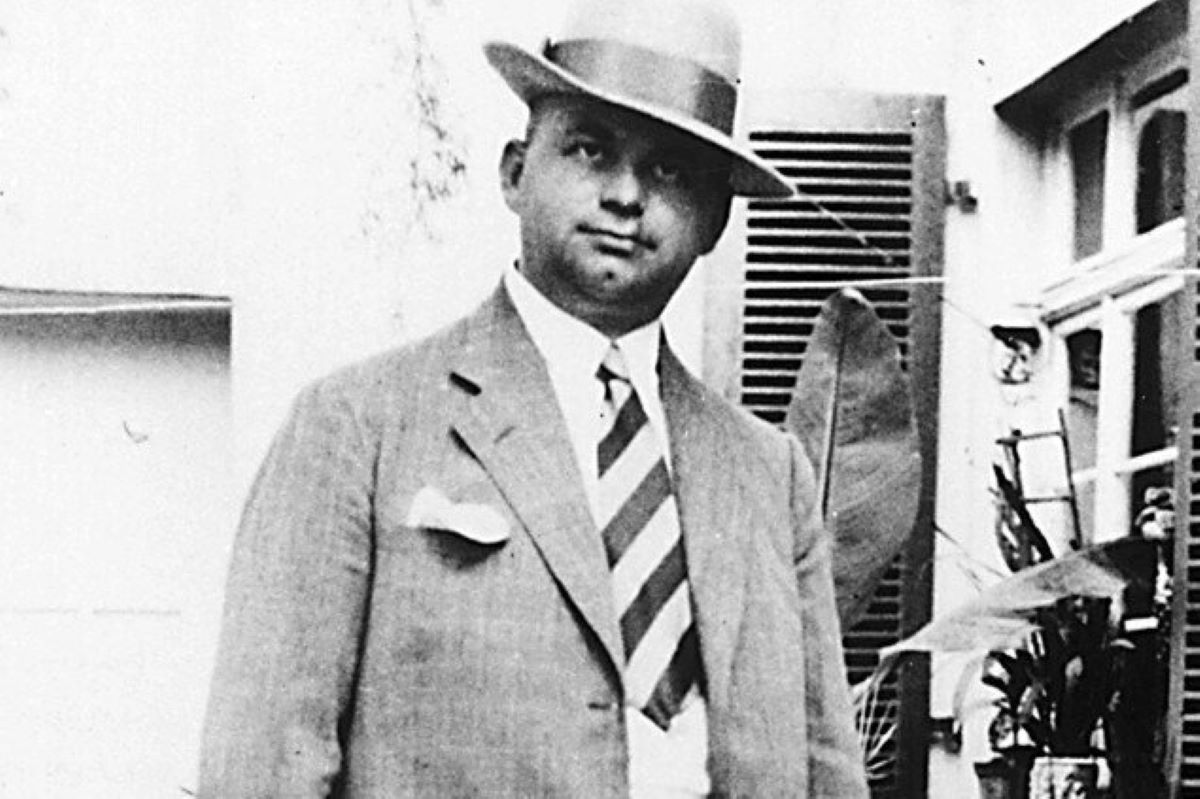
The story begins with Emil Jellinek, an Austrian businessman and early car enthusiast who became a key promoter of Daimler-Motoren-Gesellschaft (DMG) vehicles at the turn of the 20th century.
In 1899, Jellinek’s wife gave birth to a daughter, Mercédès Jellinek. In the same year, he entered a Daimler-Phönix racing car in the prestigious Nice Week race under the pseudonym “Monsieur Mercedes”.
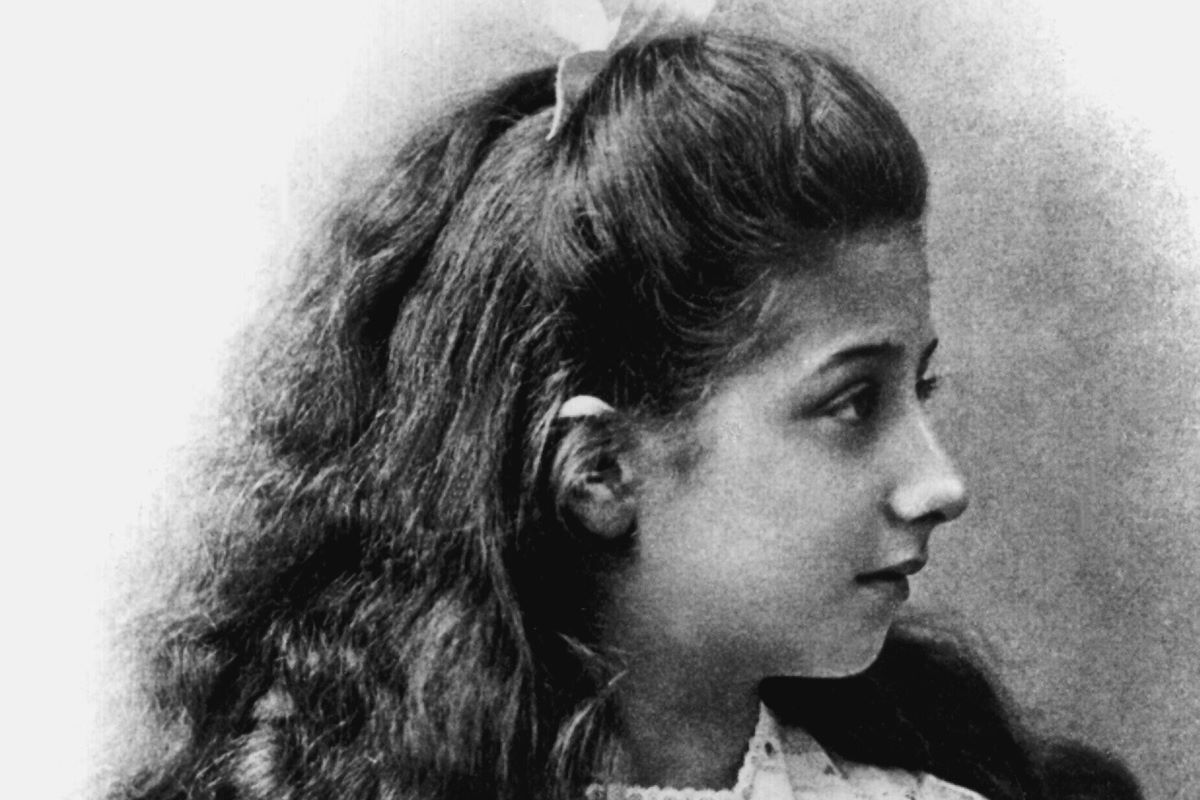
The car, driven by Wilhelm Bauer, won the 85-kilometre Nice–Magagnosc–Nice touring race. The name “Mercedes” quickly gained popularity through further racing successes, and Jellinek’s influence led DMG to officially adopt the name for a new, innovative model.
Thus in 1901, the “Mercedes” was born, forever linking the brand to a young Viennese socialite who had almost nothing else to do with cars during her life.
When DMG merged with Karl Benz’s pioneering company in 1926, Mercedes-Benz became the symbol of luxury and innovation we know today.
Did you know? The brand’s iconic three-pointed star logo actually represents land, sea and air transportation – a nod to Daimler’s ambition to dominate all three domains.
READ ALSO: The iconic novels that make up Germany's cultural canon
Haribo
If you’ve ever popped a gummy bear into your mouth – and let’s face it, who hasn’t? – you’ve tasted a piece of German history.
In 1920, a man called Hans Riegel started making sweets in a tiny kitchen in Bonn. The name Haribo is an acronym – ‘Ha’ for Hans, ‘Ri’ for Riegel, and ‘Bo’ for Bonn.
With the help of his wife Gertrud, who delivered the sweets by bicycle, Riegel’s business grew rapidly.
In 1922, he invented the “Dancing Bear,” the ancestor of today’s gummy bear, which quickly became a favourite across Germany.
Despite the hardships of war and Riegel’s early death in 1945, Haribo flourished, eventually introducing the iconic Goldbear mascot.
Today, Haribo is a global brand, but its name still carries a sweet reminder of its humble beginnings in Bonn.
Did you know? The first gummy bears were much larger and softer than today’s Goldbears.
READ ALSO: Lindt and Haribo bears must get along, says court
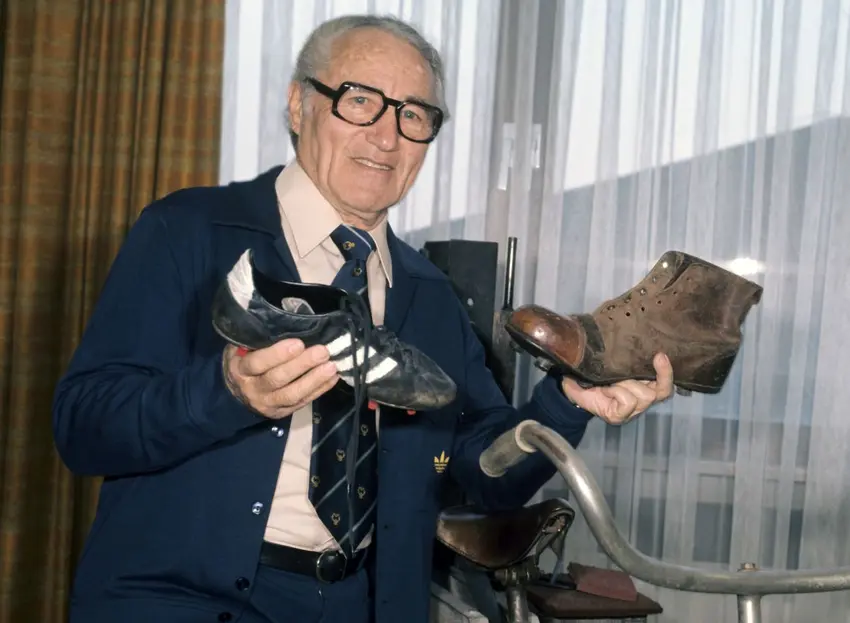
Can you imagine wearing a pair of Dasslers? That’s what might have happened if Adolf and Rudolf Dassler hadn’t fallen out in the 1940s.
Adolf “Adi” Dassler, the younger of the two brothers, began making sports shoes in his mother’s laundry room in Herzogenaurach after World War I.
He and his brother Rudolf founded the Dassler Brothers Shoe Factory soon afterwards – and gained international fame when their shoes were worn by Jesse Owens at the 1936 Berlin Olympics.
But wartime tensions and personal differences split the brothers apart in 1948. Rudolf went on to create Puma, while Adi formed Adidas, combining his nickname “Adi” and surname “Dassler.”
The rivalry between the Dassler brothers was quite intense, and even split their hometown. It's said that at the height of the family feud locals would check each other’s shoes before talking. Even today, Herzogenaurach has separate football clubs sponsored by each brand.
READ ALSO: Adidas-Puma family feud to be featured in TV series set in Germany
Did you know? The iconic three stripes on Adidas shoes were originally designed for stability, not just style.
Dr. Oetker
Dr. Oetker is a staple in German kitchens, but behind the name lies a story of scientific curiosity and family ambition.
August Oetker, a pharmacist from Upper Hesse, bought a pharmacy in Bielefeld in 1891 and began experimenting with baking powder.
His invention, Backin, made perfect cakes accessible to home bakers and quickly became a household favourite.
After Oetker’s death in 1918, his descendants expanded the company internationally, navigating the complexities of wartime Germany and post-war recovery.
Did you know? People often think the famous silhouette on the company’s logo represents the founder. In fact, the design was inspired by historic photos and chosen to symbolise ideas including trust and tradition.
Knorr
Knorr is synonymous with soups and seasonings, but its story begins with Carl Heinrich Theodor Knorr, a businessman from Lower Saxony.
In 1838, Knorr opened a grocery store in Heilbronn and soon invested in a steam-powered chicory factory.
After several ventures, Knorr and his sons turned to food preservation, pioneering dried soups and meat extracts in the 1870s. The introduction of the bouillon cube in 1912 revolutionised home cooking and cemented Knorr’s name in culinary history.
READ ALSO: 10 iconic phrases that map out each era of German history
Did you know? Knorr’s products are now found in over 90 countries and their test kitchens in Germany are legendary for inventing new flavours.
Fritz-Kola
Fritz-Kola was founded in 2002 in Hamburg by two friends and former scouts, Mirco Wolf Wiegert and Lorenz Hampl.
As university students, they wanted to create their own cola brand that would appeal to people in the clubs, cafes and bars where they liked to spend their time.
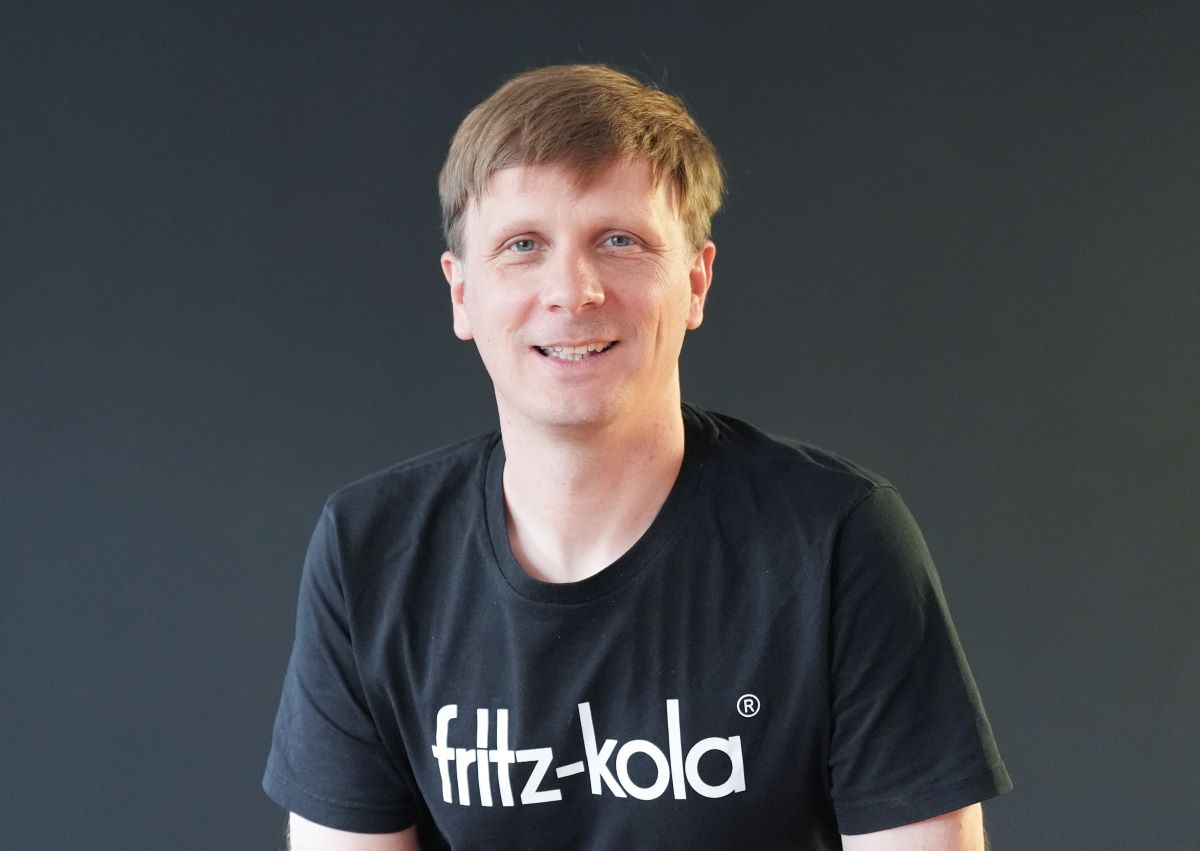
Essentially, their vision was less sugar and more caffeine – but the name has nothing to do with the fact that if you drink too much you can feel as if you’re “on the fritz”.
In fact, the name was chosen simply because the founders thought it sounded like a good North German name.
The black-and-white portraits on the bottles do represent the founders, Mirco and Lorenz. The photos were originally simple photocopies converted into stylized images, reflecting the DIY spirit of the brand’s beginnings.
Did you know? The caffeine content of Fritz-Kola is almost double that of Coca-Cola.
READ ALSO: Will German consumers join the growing boycott of US-made goods?
Comments (1)