
Thursday's top story: Government leaders agree on plan for military service law
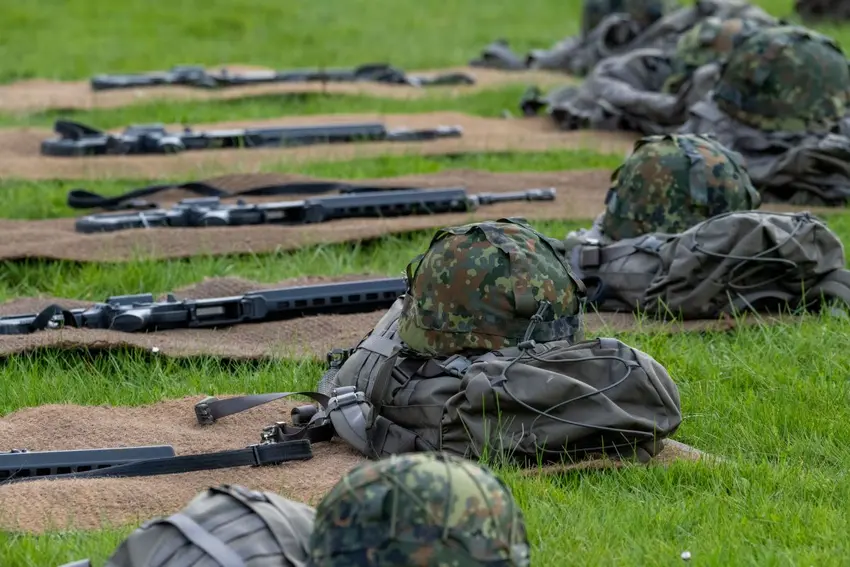
Germany will move forward with its plans to grow its army (die Bundeswehr) after politicians from the leading Union parties (CDU/CSU) and the Social Democrats (SPD) reached an agreement on who is to be conscripted.
In October, the Union parliamentary group had stopped the law on the new military service, which had already been passed by the cabinet, because some members disliked the plan for the muster. But in a meeting between parliament members and Defence Minister Boris Pistorius (SPD) as well as other defence experts, a compromise has been reached.
The parliamentary groups are to be informed about the result of the discussion on Thursday morning, and this is to be followed by an announcement at a press conference set for 9 am.
Bild newspaper, has reported that the plan is that the entire cohort of 18-year-old men should take a medical examination. Then in a second step, if there are not enough volunteers for military service among those who are fit for military service, a lottery system would be used to select people to join the Bundeswehr.
This plan is slightly different from the previous one which relied more on volunteers in the early stages, and did not make the muster mandatory for the entire group of young men initially.
READ ALSO: Who would be affected by Germany's new military service draft law?
Due mainly to the threat from Russia, Germany plans to grow its army from around 80,000 troops to 260,000 men and women in the standing force. In addition, there are to be 200,000 reservists, whose number is to be increased primarily with the new military service law.
Experts slam German spending plans and cut GDP forecast
Germany is using a massive fund for the wrong purposes, experts warned Wednesday, as they cut their 2026 growth forecast.
The influential council of economic advisers forecast GDP growth of just 0.9 percent for next year, down from a previous prediction of one percent, and below a government estimate of 1.3 percent.
Chancellor Friedrich Merz's coalition has established the 500-billion-euro fund as part of its efforts to reboot Europe's biggest economy after two years of recession.
The money is intended to be spent over 12 years to overhaul the country's creaking infrastructure, from crumbling bridges to ageing trains, and for projects to slash greenhouse gas emissions.
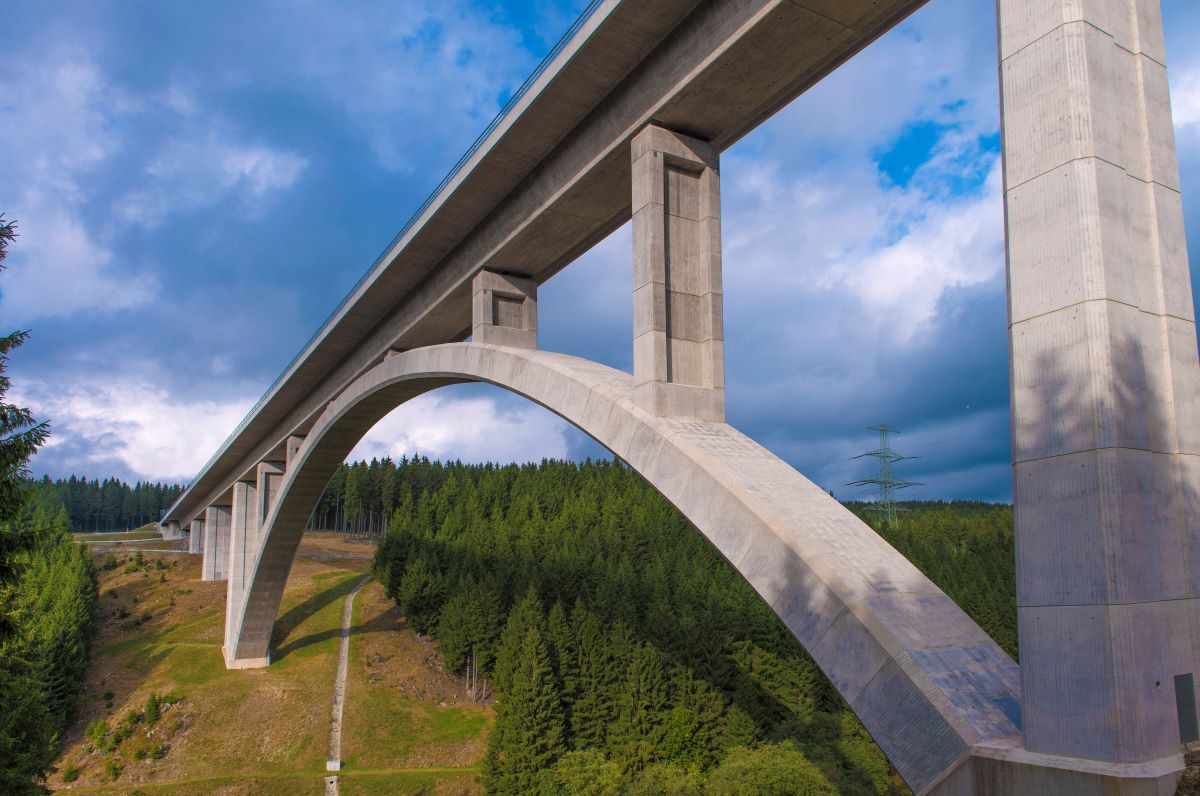
There had been hopes the extra spending could provide a big boost to the economy, but the economic advisers warned this was unlikely in view of current plans.
The fund had so far been largely used for budget "reallocations" -- to cover existing spending -- and to finance day-to-day outlays, they said in their annual economic assessment.
As such the bump to GDP is likely to be minor, said the group, which is independent but advises the government.
Child poverty remains high in Germany
The latest UNICEF report on child poverty in Germany reveals persistent challenges affecting 14 percent of the country’s children, approximately 1.9 million, who live in poverty or face material deprivation.
Despite Germany's economic strength, the relative child poverty rate has remained steady for years, with many children lacking access to essentials like adequate nutrition, warm housing or educational resources.
The report highlights growing disparities in educational outcomes and digital skills between children from affluent families and those in poorer households, with 25 percent of children struggling with reading and 41 percent lacking sufficient digital competence.
In addition to economic hardship, many children also experience significant psychological stress, with up to 40 percent reporting physical and mental health issues.
Social support varies, with many children feeling insufficiently supported by family or school environments, according to the report.
Internet freedom declines in Germany and the US, says study
Internet freedom declined in both the United States and Germany as Western democracies joined authoritarian states in imposing growing restrictions online, an annual survey by Freedom House said Thursday.
The Washington-based democracy promotion research group said global internet freedom fell for the 15th straight year, with declines in a number of countries that remain classified as "free."
"We've seen conditions in democracies declining," Kian Vesteinsson, the report's co-author told AFP.
"Unfortunately we see across North America and Western Europe generally a trend towards closing civic space in some countries, and in others deepening restrictions on people posting hateful or problematic content," he said.
According to the study, Germany's internet freedom score declined to 74 out of 100 points. Freedom House said that Germany was seeing growing self-censorship and also the zealous enforcement of laws that prohibit hate speech and defamation.
It pointed to a suspended jail sentence and fine imposed on the editor of a far-right website over a social media post that included a manipulated image to criticise a politician.
The Trump administration has repeatedly criticised the free speech record of Germany.
FACT CHECK: Is it fair to say that Germany doesn't have a right to free speech?
However, the US, under Trump's leadership saw its internet freedom score decline to 73 points in the year through May 2025 covered by the report, its lowest-ever figure and down three points from the previous year.
The report pointed in part to the detention by President Donald Trump's administration of a number of non-US citizens over their online expression.
Freedom House, founded during World War II to promote democracy, was historically funded largely by the US government but operated independently. Trump on returning to office slashed funding to rights groups including Freedom House, which has laid off staff.
Christkind Post office opens for Christmas letters
The Christkind Post office in Engelskirchen reopened on Wednesday.
The Christkind-Postfiliale in Engelskirchen is a special Christmas post office that has been operating for 40 years, answering letters from children worldwide addressed to the Christkind or Christ child, a traditional German gift-bringer similar to Santa Claus.
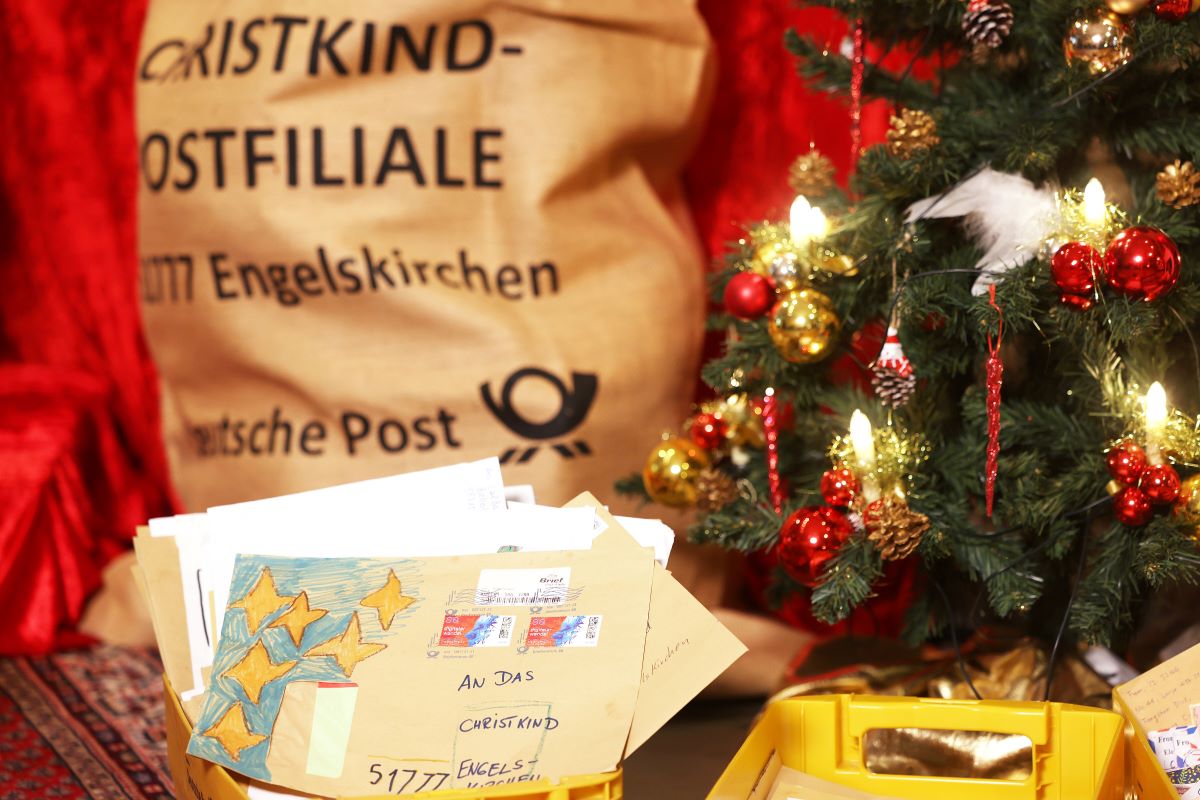
Since 1985, the post office has received nearly three million letters from over 60 countries, with about 130,000 letters last year alone. Each letter is read and replied to – in up to 14 languages including braille – by a team of volunteers.
Children’s letters often include wishes for toys, but many also express hopes for peace, family wellbeing, and kindness. Letters must arrive by December 20th to receive a reply.
Engelskirchen’s post office is one of seven in Germany supporting this tradition, alongside locations where children can also write to Santa Clause (Weihnachtsmann) or St. Nicholas (Nikolaus).
READ ALSO: How children in Germany can write letters to Santa this Christmas
With reporting by AFP, DPA and Tom Pugh.
Comments