
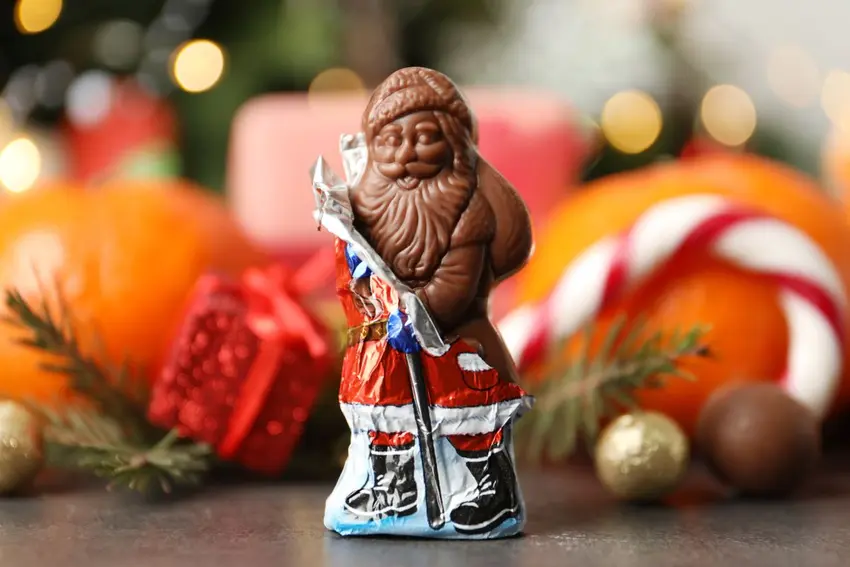
If you've set foot in a supermarket in Germany in the past couple of weeks, you'll have seen shelves stacked with Christmas sweets and seasonal treats – like chocolate Santa Clauses and packets of gingerbread cookies (Lebkuchen) in various shapes and sizes.
In Germany, these seasonal foods tend to hit shelves well ahead of the advent, often even before Halloween, to give shoppers plenty of time to stock up ahead of the holiday festivities.
The price of food overall has been steadily rising in recent years as bouts of sometimes dramatic inflation have pushed basic living costs markedly higher. And the price of cocoa in particular has risen sharply this year in response to poor harvest expectations, which has a direct impact on the cost of many holiday treats.
So how much have prices risen since last year, and how might you save a bit on treats for your holiday parties?
How much have prices risen?
An evaluation of grocery store prices by the comparison app Smhaggle shows that many popular Christmas-time treats have become significantly more expensive compared to prices at the end of 2024.
Chocolate Santa Clauses cost up to 25 percent more, depending on the brand and size – in some cases even two-thirds more. A 70-gram whole milk Santa Claus from a major brand manufacturer currently costs €3.99, while comparable items from off-brands and generic manufacturers (which may include more packaging and less chocolate) cost €2.99.
Other seasonal products are also more expensive than last year.
READ ALSO: Why are people claiming Christmas markets in Germany are cancelled this year?
The price of a 250-gram pack of dominoes (Dominostein - chocolate covered cubes of layered gingerbread, marzipan and other fillings) is around 25 percent higher.
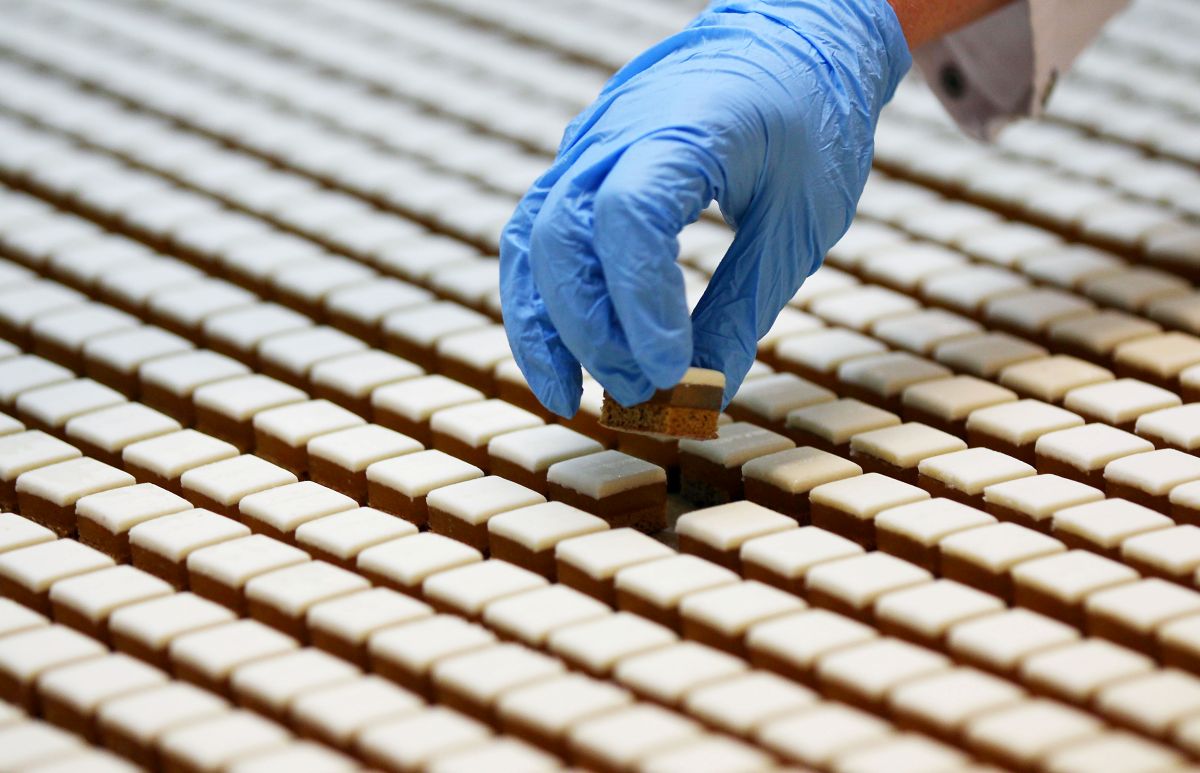
The price of gingerbread is also up, with consumers paying up to 60 percent more for 300 grams of filled gingerbread hearts.
Both products - whether branded or private label - now cost significantly more than €3 each.
Many confectionery products had already become more expensive in the previous year.
The Smhaggle evaluation compared the dominant shelf prices at large retailers.
Seek out sales to save
Prices differ regionally and in individual markets, so if you have an idea of how much items cost at your go-to supermarket you may spot better deals elsewhere.
Shoppers can also keep an eye out for sales to save a bit.
Special offers were not included in the evaluation, but there is evidence that more shoppers are turning to sales to offset the rising price of groceries.
Figures from market researcher NIQ show that the proportion of confectionaries purchased on special offers has risen sharply this year. In 2024, it was 46 percent at this time, whereas its currently at 66 percent.
Interestingly, by mid-October, about 10 percent less Christmas confectionery had been sold in Germany than in the previous year. But due to increased prices, the value of total sales was about the same.
READ ALSO: What your choice of German supermarket says about you
Why are prices up?
The end consumer prices are set by retailers, not manufacturers. But an increase in manufacturers' costs and prices tends to be reflected in retailers' prices as well.
A major cost increase this year is the rising price of cocoa on the commodity exchanges, which has been driven by poor harvest expectations. The price of cocoa has fallen somewhat after shooting up sharply earlier this year, but is still two to three times higher than three years ago, according to the Federal Association of the German Confectionery Industry.
Cocoa – along with coffee, wine and a number of other crops that are globally traded in high volumes – has seen harvests threatened year after year by extreme weather and changing climate patters linked to greenhouse gas emissions.
The UN had reported that the sharply rising cost of cocoa has come as a result of the climate crisis.
Comments