

Today's top story: Over half of Ukrainian refugees in Germany working
More than half of Ukrainian adults who fled to Germany due to Russia's full-scale invasion have a job here, according to a new study.
The report by the Federal Institute for Population Research (BiB), said the employment rate in early summer 2025 was 51 percent, compared to 16 percent in 2022.
Andreas Ette, head of studies at the BiB, said: "Many Ukrainians have successfully transitioned into employment after completing their integration and language courses."
According to the institute, around 1.2 million Ukrainians seeking protection currently live in Germany. The total number of refugees who have arrived since February 2022 is significantly higher, but some of these people have returned.
The employment rate among Ukrainians who have remained has increased significantly since then. Experts said their integration into the labour market has been faster than that of asylum seekers from other countries of origin.
While the employment rate among Ukrainians rose relatively slowly in the first two years, the transition to employment accelerated in the third year.
Given the demand for skilled workers in Germany, people from Ukraine represent an important resource for the labour market, experts say.
According to the BiB, good German language skills and social contacts have been key to integration.
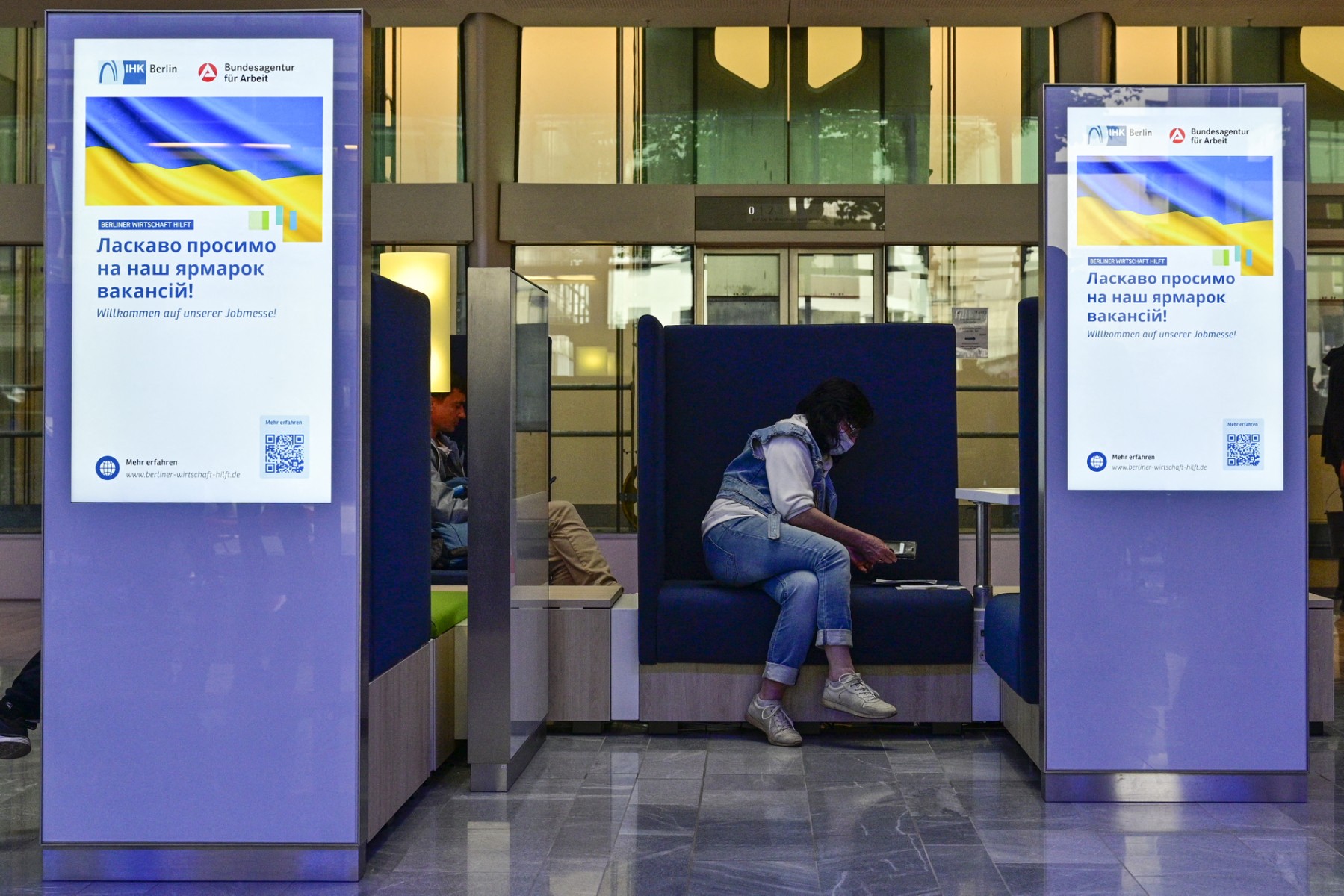
Unlike asylum seekers from other countries, Ukrainian refugees have generally been allowed to work immediately after arriving in Germany.
The study also highlighted that many of the Ukrainian women who initially fled to Germany alone or with their children have since been joined by their partners.
This has stabilised their living situation, said BiB Director Katharina Spieß. She added: "Families show significantly higher long-term intentions to stay if both parents live in Germany."
Germany offers money to Afghans to forgo refugee scheme
Berlin is offering cash to Afghan refugees in Pakistan if they agree to give up their places on a programme for resettlement in Germany, activists said Tuesday.
The Afghans were accepted under a refugee scheme set up by the previous German government but around 2,000 have been stuck in Pakistan since conservative Chancellor Friedrich Merz took office in May and froze the programme.
According to the initiative Airbridge Kabul, refugees have been sent a letter offering them money and other support in return for exiting the resettlement programme.
In the case of a single woman, the payments would be an initial €1,500 (about $1,700) in Pakistan and a further €5,000 payment if she travels to Afghanistan or a third country.
A spokeswoman for the interior ministry told AFP that "there are offers within the framework of a voluntary return programme to Afghanistan or departure to another third country".
The German scheme was aimed at Afghans who had worked with German forces in Afghanistan or who were deemed at particular risk from the Taliban, for example journalists, lawyers and human rights activists.
Eva Beyer from Airbridge Kabul said she was not aware of any refugees in the scheme who planned to accept the German government's latest offer and that many had reacted with shock and outrage.
"I've been trembling all over and can't stop crying," read one message from a refugee which Beyer shared with AFP. "I don't want money or bread, I just want to live in safety."
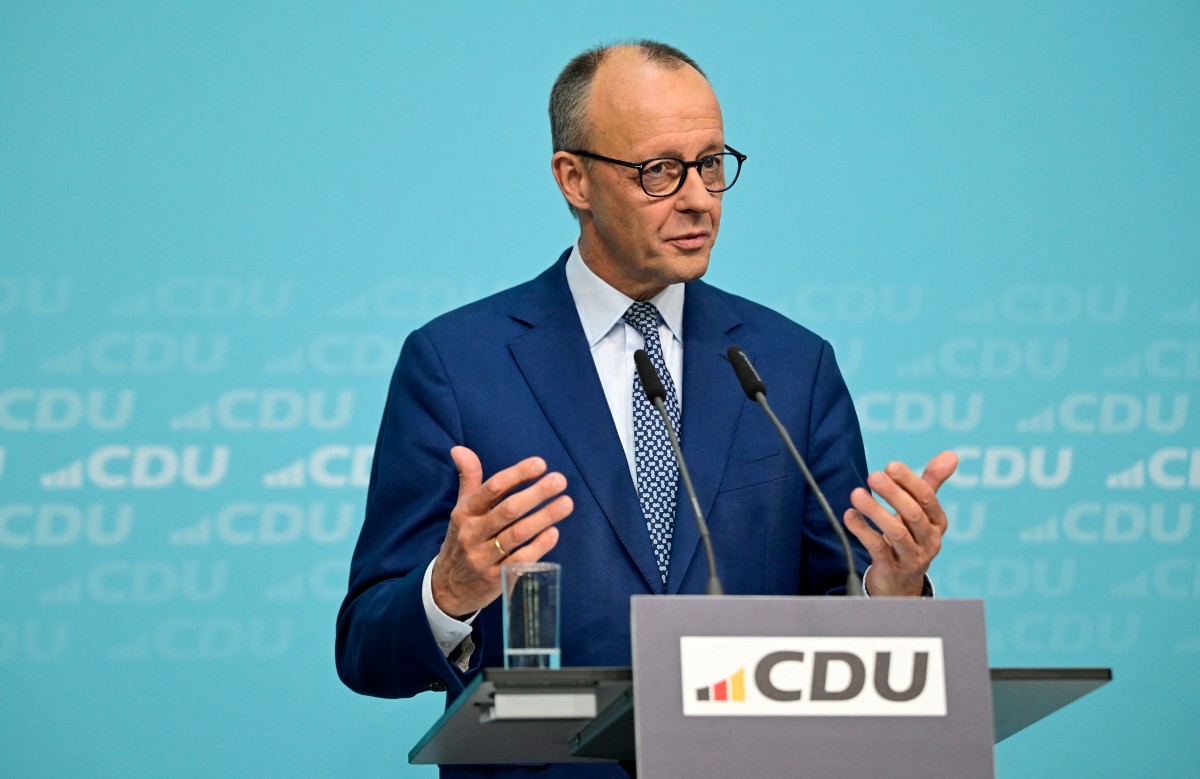
It comes as Merz continues to take a tough stance on migration issues. Earlier this week, the chancellor said Syrian refugees in Germany must go home now that their country's war is over, or face deportation.
READ ALSO: Why is the chancellor saying Syrians in Germany face deportation
Left Party pushes for crackdown on illegally high rents in Germany
The Left Party (Die Linke) is urging the German government to take stronger action against exessive rents, after data from its rent gouging app revealed widespread violations of rent control laws.
The app, launched by the party a year ago, has "revealed an extent of illegal rents in Germany that even we did not anticipate," said the parliamentary group's housing policy spokesperson, Caren Lay, on Tuesday.
According to the party, around 220,000 tenants have used the app. In two-thirds of cases, rents were more than 20 percent above the legal threshold, and in half of those, 50 percent higher than the local reference rate.
Almost 7,500 cases have been reported to the authorities. If all these cases were taken to court, the households affected could save an average of €250 per month, the party said. "Such excessive rents are illegal," Lay added.
The Left Party plans to present a draft Rent Gouging Law to the Bundestag this week, proposing higher fines of up to €100,000 for landlords who overcharge tenants. The governing coalition, however, has indicated it will not support the bill.
READ ALSO: What the first fine for excessive rent in Berlin means for tenants
German hospital nurse faces verdict over 13 patient deaths
A German court is set to give its verdict on Wednesday in the case of a hospital nurse accused of murdering 13 patients in a palliative care ward with lethal injections.
The 44-year-old defendant – who was accused by prosecutors of playing "master of life and death" over those in his care – was not publicly named during his trial.
He is accused of injecting his mostly elderly patients with large doses of sedatives or painkillers, with the simple aim of reducing his workload during night shifts.
Prosecutors told the court the man suffered from a personality disorder, had never shown any compassion for the patients and had voiced no remorse during the trial.
The verdict is expected at noon in the regional court in the western city of Aachen. The prosecution is demanding a sentence of life in prison if the defendant is convicted of the 13 murder and 24 attempted murder charges.
Top court in Germany overturns pandemic triage law
Germany’s Constitutional Court has struck down regulations on medical triage, ruling that the government overstepped its authority when it set guidelines on how doctors should prioritise patients in emergencies.
The court in Karlsruhe sided with two complaints brought by intensive care and emergency physicians, who argued that the 2022 triage rules infringed on their professional freedom and contradicted medical ethics. The judges declared the regulations “incompatible with the Basic Law and void,” saying the government lacked the power to legislate on the issue.
The overturned rules were introduced after a 2021 court order that required the state to protect people with disabilities from discrimination in triage decisions. That was a response to fears that disabled patients might be disadvantaged during the Covid-19 pandemic.
While the 2022 law sought to meet that obligation by standardising decision criteria, the new ruling found the government went too far by imposing binding medical directives that restrict doctors’ discretion.
The largest German medical association, Marburger Bund, welcomed the judgment.
Health Minister Nina Warken (CDU) said the government would now work with Germany’s 16 states to develop new provisions.
German industry giants reveal €1 billion AI hub
US tech giant Nvidia and Deutsche Telekom on Tuesday announced plans to launch a one-billion-euro ($1.1 billion) industrial AI cloud centre early next year, billed as a "secure and sovereign" infrastructure project.
Deutsche Telekom said the "AI factory" would enable companies in Germany and Europe "to develop, train and use AI for every manufacturing application from design to robotics via a secure and sovereign IT infrastructure".
The site in the southern German city of Munich, would be powered by thousands of Nvidia's advanced artificial intelligence chips and is set to go into operation in the first quarter of 2026.
"Germany's engineering and industrial strengths are legendary, and now it's being supercharged by AI," said Nvidia CEO Jensen Huang at a launch event for the project in Berlin.
Deutsche Telekom, Germany's biggest telecommunications operator, is providing the physical infrastructure while German firm SAP is supplying the software platforms, including AI technologies, to run the site.
With reporting from DPA and AFP
Comments