
Monday's top story: Huge Berlin protest urges end to Gaza war
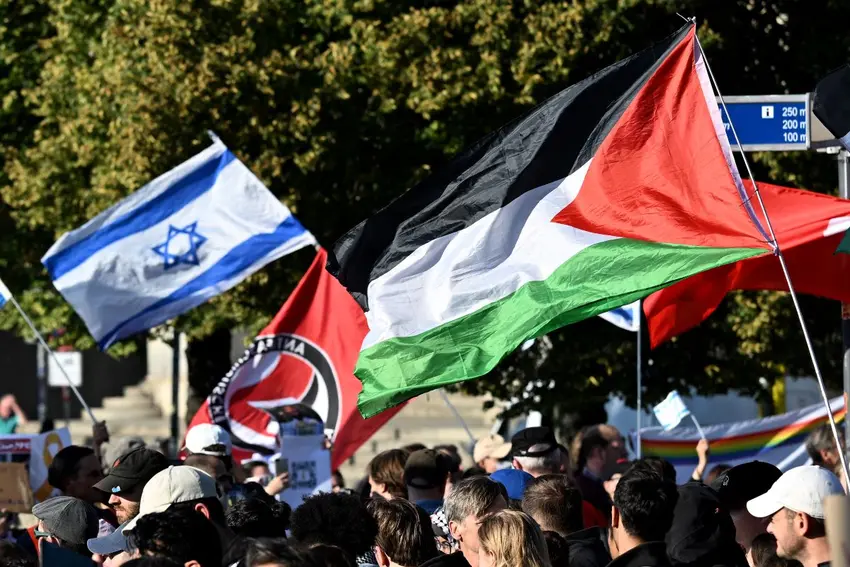
Tens of thousands of demonstrators marched through the streets of the German capital on Saturday to demand that Israel halt its military campaign in Gaza.
Large crowds waved Palestinian flags and banners reading "Free Palestine" and "Food and water are human rights" as they marched from Berlin's town hall.
Police estimated some 60,000 people took part in the march and the rally, which was organised by the Left (Die Linke) party and civil society groups. Organisers put the figure at around 100,000.
About 1,800 police were deployed to monitor the protests.
READ ALSO: Huge Berlin protest urges end to Gaza war
Germany has so far baulked at sanctioning Israel, and has signalled it is not ready to recognise a Palestinian state, unlike many of its Western allies. Die Linke has accused the German government of staying largely silent as the humanitarian situation worsens in Gaza.
Despite the criticism, CDU parliamentary leader Jens Spahn told the Neue Osnabrücker Zeitung that there would be no "blanket German sanctions against the entire country" of Israel.
"We have a special relationship with Israel; we are not France or Great Britain, and certainly not Australia," Spahn said, according to the paper.
Mayoral run-off elections produce surprises in NRW
Following North Rhine-Westphalia’s mayoral run-off elections on Sunday, party leaders are analysing a number of unexpected outcomes.
Chancellor Friedrich Merz’s conservative CDU party celebrated major gains, seizing the long-held SPD bastion of Dortmund with Alexander Kalouti winning nearly 53 percent of the vote, and securing mayoral victories in Düsseldorf and Essen.
The centre-left SPD, while losing Dortmund after nearly 80 years, reclaimed Cologne with Torsten Burmester and won key cities in the Ruhr area, including Oberhausen, Bochum, and Wuppertal.
READ ALSO: What are 'fairness agreements' in German political campaigns?
The Greens scored a first-time victory in Münster, but lost Bonn and Aachen, reflecting overall losses statewide.
The far-right Alternative for Germany (AfD) saw its candidates defeated in all run-offs, including in Duisburg, Gelsenkirchen, and Hagen, despite big gains in the first round.
German military to support security at EU summit in Copenhagen
Germany's armed forces are supporting security at two EU meetings in Copenhagen, at Denmark's request.
On Wednesday, Denmark, as the current EU Council President, will host an informal summit of EU heads of state and government in Copenhagen, followed by a summit of the European Political Community (EPG). German Chancellor Friedrich Merz plans to fly to the Danish capital for both meetings.
Ahead of the summits, there have been repeated sightings of unidentified drones near military sites in the country, raising security concerns and prompting heightened defensive measures.
Denmark has imposed a nationwide ban on civilian drone flights from Monday through Friday during the summit week, for example.
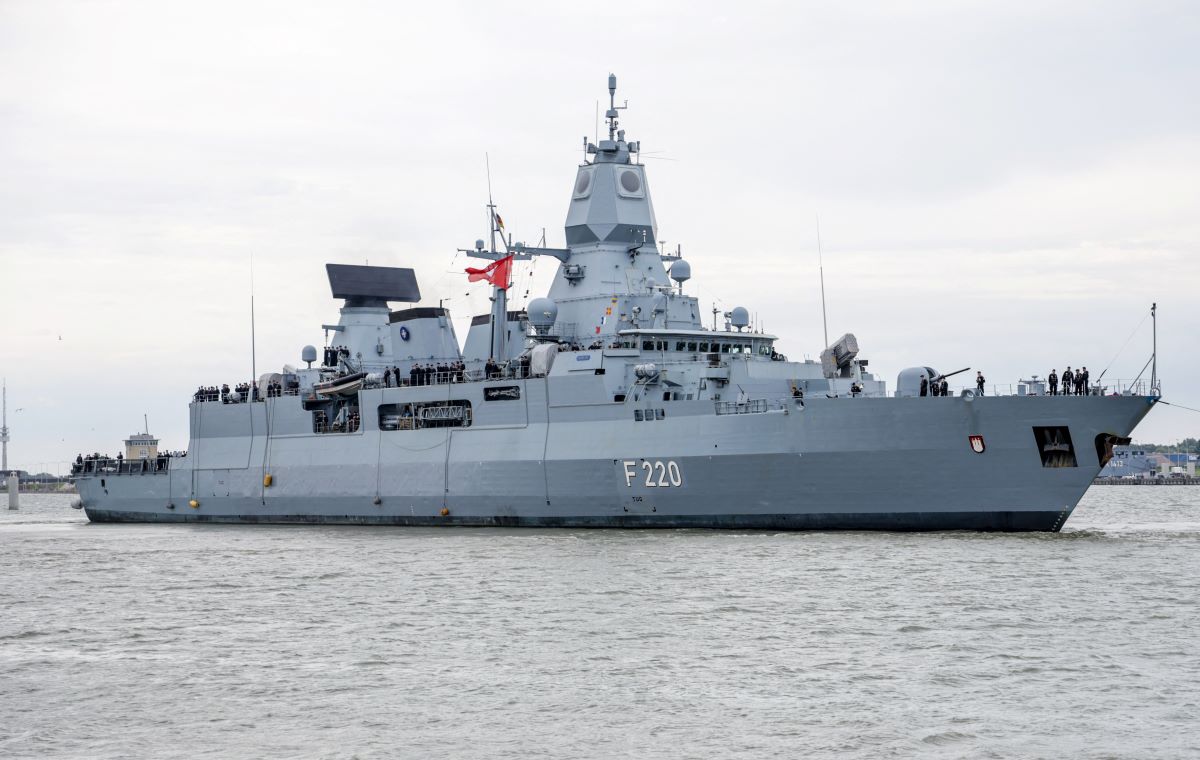
Germany's armed forces will also provide "on-site support" and assist with drone defence. In addtion, the German naval frigate “Hamburg,” part of NATO’s Baltic Sentry mission, has arrived in Copenhagen to reinforce security and demonstrate alliance solidarity.
READ ALSO: Germany may allow military to shoot down drones, report says
Germany pursues Afghanistan deportation deal
Germany’s Interior Minister Alexander Dobrindt has confirmed plans to begin direct negotiations with the Taliban in Kabul aimed at deporting Afghan nationals convicted of crimes or considered security threats.
The move comes amid political debate in Germany over migration and safety, and despite concerns raised by humanitarian groups about the risks and human rights situation in Afghanistan.
Senior officials will visit Kabul in October to discuss repatriation. The initiative follows earlier deportations with Qatari support and aims to address growing domestic political pressure around crime and migration.
READ ALSO: First Afghan families allowed into Germany from Pakistan
Turkey abandons attempt to define döner
Turkey has withdrawn a bid to impose EU-wide rules defining how doner kebab must be made – a proposal that would have had a major impact on Germany’s multibillion-euro kebab industry.
The Turkish-based International Doner Federation (UDOFED) sought a “Traditional Specialty Guaranteed” EU label, which would have restricted the type of meat allowed, banned veal and turkey, dictated meat thickness and marinade recipes, and regulated equipment. If successful, the label would have threatened many German-style döner practices.
Facing fierce industry and political pushback from Germany, where the döner is both a massive business and a point of culinary pride, Turkey’s application was officially withdrawn after failing to win support or reach compromise.
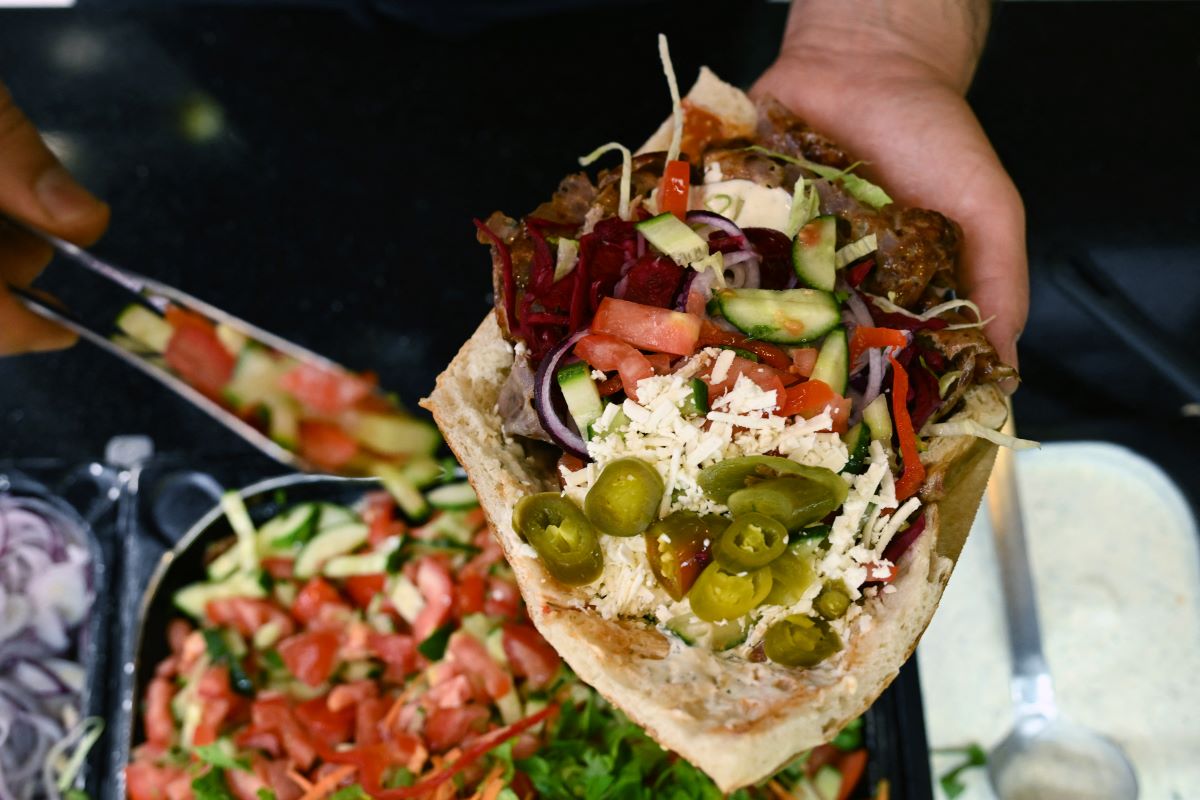
German politicians, including former agriculture minister Cem Özdemir, insisted the döner is now as much a German staple as a Turkish one, and saw Ankara’s proposal as unnecessary interference.
Some 60,000 German jobs and over €2.4 billion in annual sales were at stake, with 400 tonnes of döner produced each day and 1.5 million Turkish nationals contributing to the industry.
With reporting by DPA and AFP.
Comments