
Inside Germany is our weekly look at some of the news, talking points and gossip in Germany that you might've missed. It’s published each Saturday and members can receive it directly to their inbox by going to their newsletter preferences or adding their email to the sign-up box in this article.
German government leaders had already hinted that serious budget cuts were coming before the summer holiday period, and now it's time to deliver.
Chancellor Friedrich Merz addressed the Bundestag this week to say that he would lead an “autumn of reforms”. Most residents can expect to feel these reforms in the form of cuts to certain welfare benefits.
Here the conservative Christian Union parties (CDU/CSU) and the centre-left Social Democrats (SPD) are so far trying to present a united front. Vice-Chancellor Lars Klingbeil (SPD) told Handelsblatt on Friday that "This government must lead the way courageously, and so we will…”
But between the proclamations of unity and a balanced budget, there is a whole lot of room for disagreement.
According to Klingbeil, "significant changes" for Bürgergeld will be an issue. Exactly where to raise taxes is also likely to become a point of contention, with members of the SPD having suggested they are open to bringing forward a wealth tax, which would have the approval of the majority of German voters, whereas CDU/CSU leaders have been vocal in their opposition to the idea.
What’s known for now is that at the very least the Deutschlandticket subscription price will rise by €5 at the beginning of next year, while those who drive to work or eat at restaurants will save a bit on taxes there.
Underneath all of this is the ever-present looming threat of the far-right, which is known to gain votes when economic conditions worsen for voters.
It would stand to reason then, that a government set on defeating the far-right would want to secure the welfare benefits that support its working class citizens, and consider taxes that would reduce inequality.
Apparently the CDU sees it differently.
Seasons change
The autumnal equinox, which marks the beginning of the fall season in the northern hemisphere, will occur on Monday.
READ ALSO: Which German autumn personality type are you?
From an astronomical perspective the equinox is the specific moment when the sun crosses the equator. This year that moment will happen on Monday, September 22nd at approximately 8:19pm CET.

But as you may be aware, the word equinox (Äquinoktium in German) comes from a Latin term which means “equal night” i.e. when daylight hours and nighttime hours are equal. The other term for this, Tagundnachtgleiche, is a beautiful example of a German word that is just perfectly logical.
Autumn in Germany inevitably paints the nation's trees in beautiful shades of red, yellow and browns, but before then there are plenty of seasonal celebrations including harvest and folk festivals and of course the famous Oktoberfest as well.
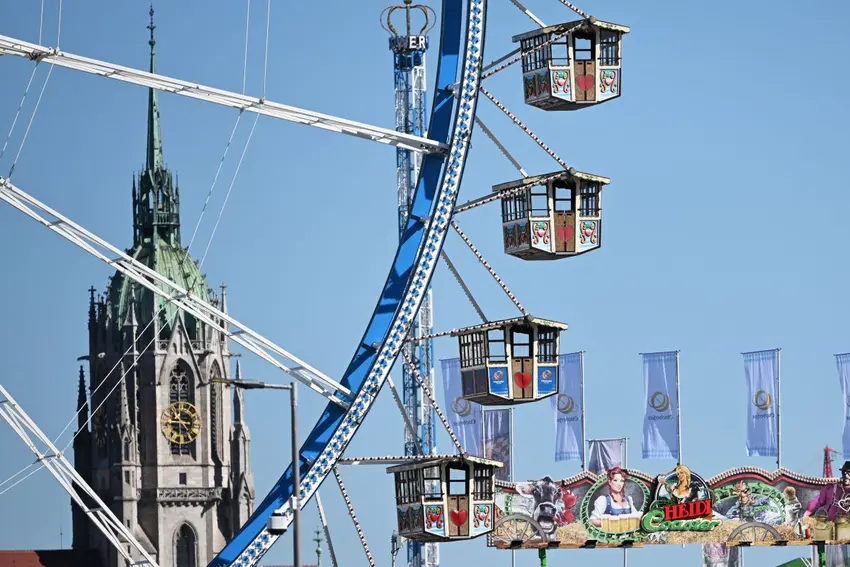
Speaking of which, Munich’s 190th Oktoberfest kicks off this Saturday. Here are a few essential tips if you're planning on going this year.
The free speech ‘debate’
One important headline that flew under the radar this week: Germany calls on US to protect freedom of journalists.
Following the news around the killing of Charlie Kirk, at least one German journalist found himself under fire from the Trump administration, which has taken to cracking down on anything being said publicly about the incident which it doesn’t like.
Going forward, foreign journalists (such as German correspondents in the US) will only be granted 240-day visas, as opposed to the 5-year visas which were given until now. This will make it much easier for the Trump administration to do away with foreign journalists who engage in critical reporting by simply letting their visas expire.
Also making near-constant headlines, both in the US and in Germany, is the growing number of journalists and media personalities who are being fired or seeing their shows cancelled for critiquing Kirk or the Trump administration.
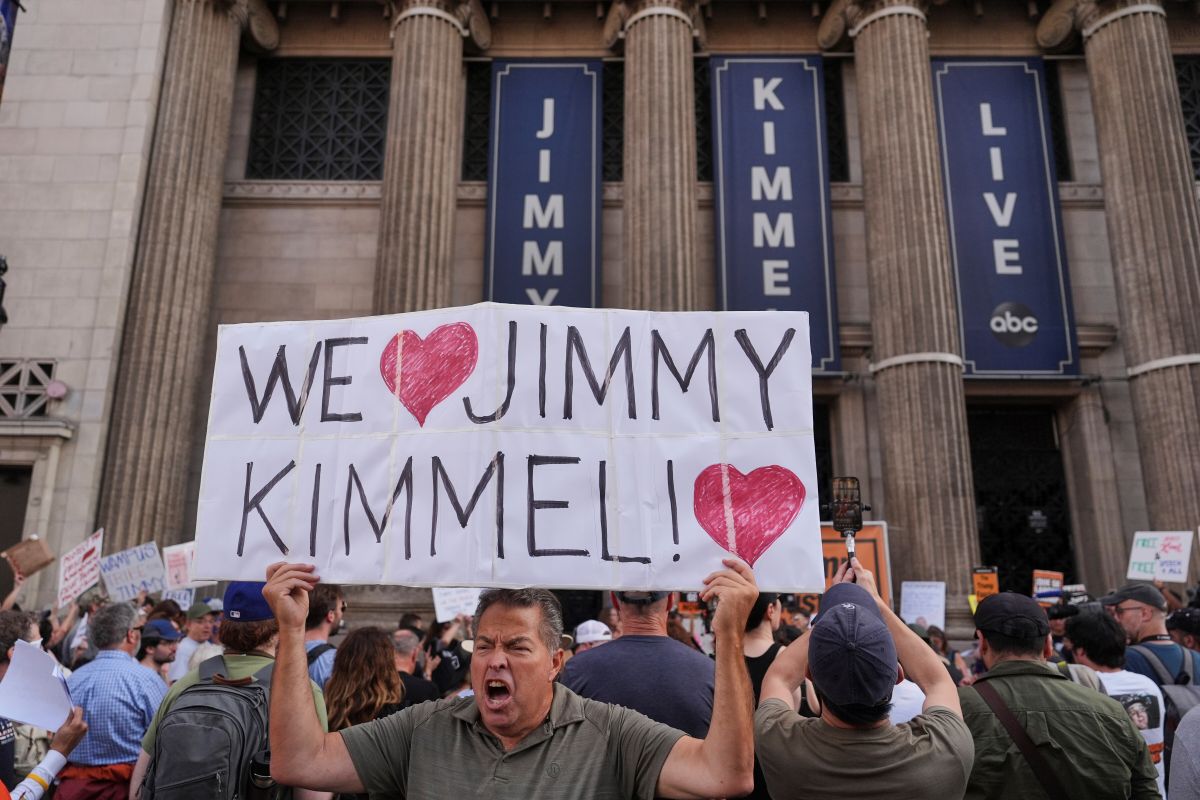
The dark irony in this blatant crack down on free speech, is that high-ranking members of the Trump administration were accusing Germany of “censorship” just earlier this year.
Its fair to be critical of Germany's rules around free speech. Outlawing certain types of hate speech does make sense here, given the history. But there are instances where policing these limits seems excessive. Not the least of which being brutal police crackdowns on virtually any protest critical of Israel's ongoing attack on Gaza.
But the crucial difference between the state of free speech in the US and Germany at the present moment is that you can still publicly critique Germany's top leaders, loudly and publicly, and not fear you'll be fired or taken off air or have your visa pulled.
That, to me, shows that the spirit of Democracy is still in decent health in Germany. It's something worth celebrating, and fighting for.
Comments